
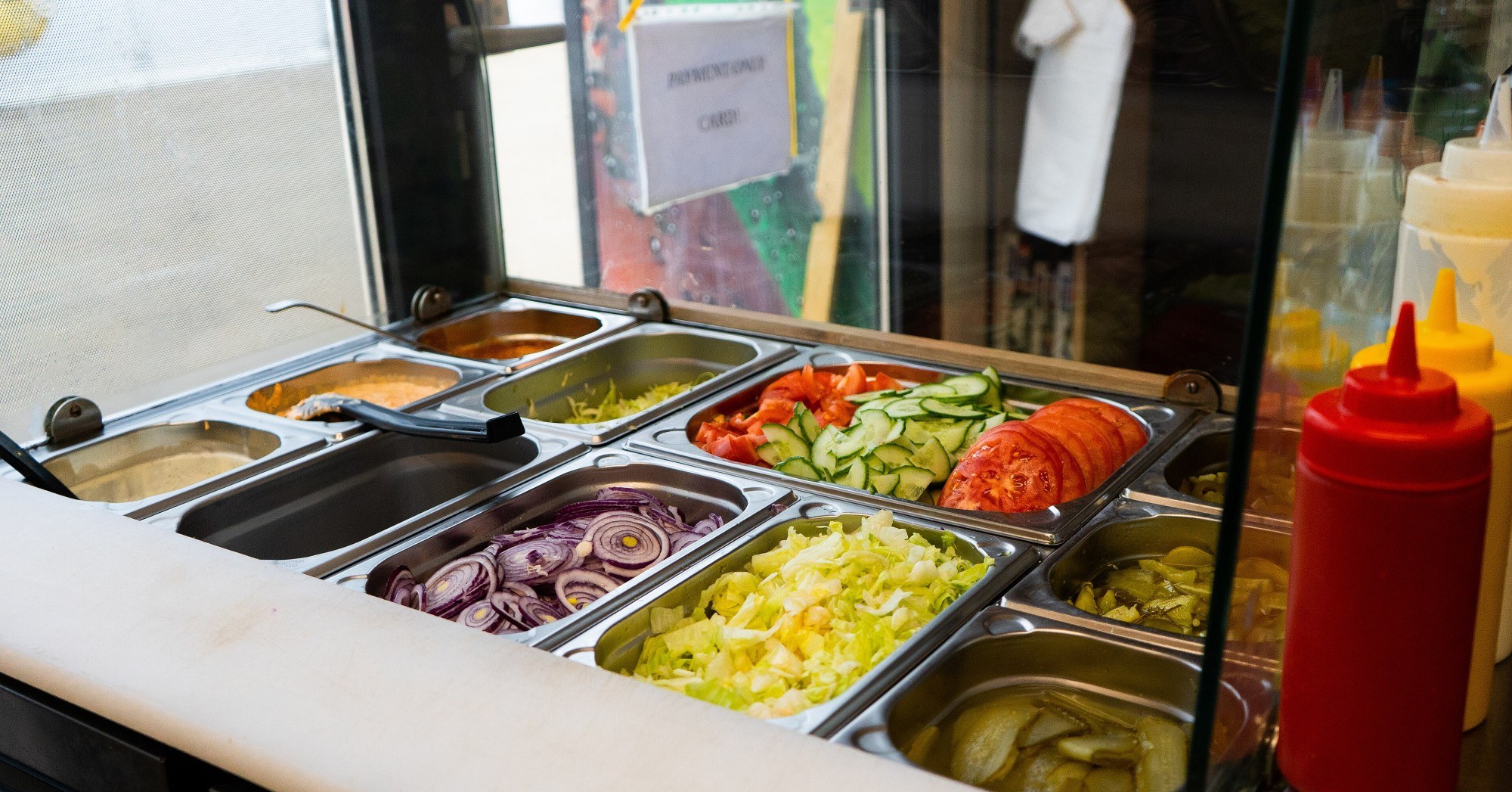
Top image: A food safety inspection of a serving line, photographed by the U.S. Army at a training area in Poland in 2020. This is not a Santa Clara County inspection. Photo: Spc. Devron Bost, U.S. Army (public domain) via Wikimedia Commons
Santa Clara County health inspectors ordered food businesses to close 139 times between July 1 and Oct. 10, according to a South Bay Chronicle analysis of inspection records the county publishes on its open data portal. In 127 of those closures, or about 91%, inspectors recorded evidence of rodents or insects.
Most of the closures were short. Of the 139, 126 were followed by a passing inspection in the same records, and the median time from the closure to that next passing visit was two days. Forty-six reopened within a day.
The county’s Department of Environmental Health posts a colored placard at every food facility it inspects. Green means the business passed. Yellow is a conditional pass after major violations, with a follow-up required. Red means the facility was closed. The county modeled the system on Sacramento County’s and launched it on Oct. 1, 2014, and it covers restaurants, school and corporate cafeterias, coffee shops, bakeries and delis, among other places that prepare food, according to the department.
What the records show
The county published results for 2,435 routine inspections in the period. Of those, 2,082 ended with a green placard, 184 with a yellow and 154 with a red, according to the inspections file. Some businesses hold several permits at one address, such as a market with separate departments, and each permit can receive its own placard. Counting each address and date once, the red placards add up to 139 closures at 136 locations.
August had the most closures, with 53, followed by July with 42 and September with 31. The published file runs through Oct. 10, and October had 13 closures by then.
San José accounted for 80 of the 139 closures, or 58%, while it accounted for about 47% of the routine inspections in the file. Sunnyvale and Santa Clara each had 10 closures, Morgan Hill nine, Campbell eight, Mountain View six, Palo Alto five, Gilroy and Los Altos four each, Cupertino two and Milpitas one, according to the business addresses in the county’s business file.
Why businesses were closed
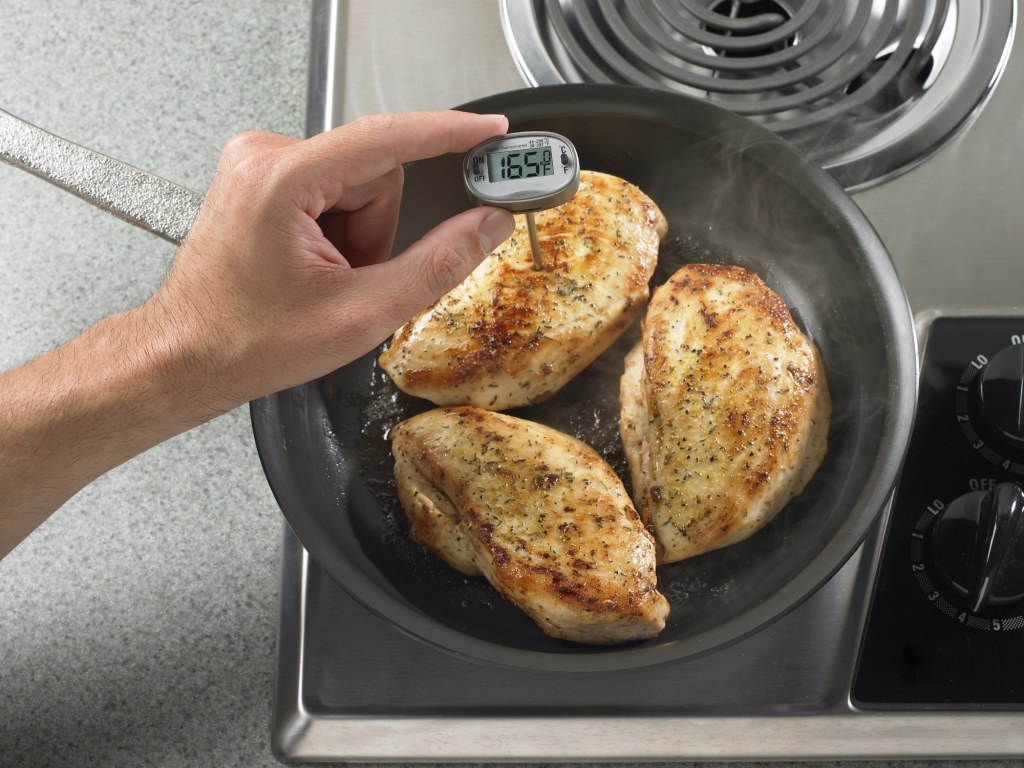
The county’s violations file lists each violation an inspector records, with a code and a flag for whether it is critical. In the closure inspections, the most common critical violation by far was K23, “No rodents, insects, birds, or animals,” cited in 123 of the 139 closures. Counting inspectors’ written comments that describe cockroaches, rodent droppings or other vermin, 127 closures involved pests.
Other critical violations were much less common. Improper hot and cold holding temperatures (K07) were cited in 41 closures. Problems with handwashing stations or hot and cold water (K06 and K21) appeared in 32. Unclean food contact surfaces (K14) were cited in 19, and food that was not in good condition or was adulterated (K13) in 17. A single closure often involved more than one of these.
The inspectors’ notes follow a standard form. The person in charge “has been informed that the facility must close immediately,” and the business “must remain closed until all corrective actions on the provided checklist are completed.” Before reopening, the operator has to email a signed reopening checklist to the inspector and submit a report from a licensed pest control company, the notes say.
Repeat closures
Two businesses were closed twice in the period, according to the records. Inspectors closed Indo-Pak Halal Market at 1729 Berryessa Road in San José at a routine inspection on Aug. 28, noting live cockroaches on a hand sink faucet and “30+ dead cockroaches around the water heater.” It passed a follow-up on Sept. 7. Inspectors closed it again at a routine inspection on Sept. 16, kept the red placard at a follow-up on Sept. 22, and gave it a green placard on Oct. 6.
Pho Morgan Hill at 16965 Monterey Road received a red placard at a routine inspection on Sept. 22, when inspectors reported cockroaches in built-in wooden cabinets in the food prep area and bean sprouts and cooked rice held at about 70°F. It passed a follow-up on Sept. 26. Inspectors closed it again on Oct. 9 after finding live and dead cockroaches near the stove, a soda dispenser and the dry storage room. The county’s published file ends the next day, so it does not show whether or when the restaurant reopened. The Chronicle did not reach either business before publication.
A third address, 2050 Gateway Place in San José, had closures on July 16 and July 21, but they involved different food outlets inside the same hotel.
The ones still open in the record
Thirteen of the 139 closures had no later passing inspection in the published records as of Oct. 10. That does not mean those businesses stayed closed. Some closures came days before the data cutoff, and a business can also close permanently or change permits. Diners can check any facility’s current placard on the county’s SCCDineOut web app, which shows the latest result.
How to read a placard
A red placard is not a measure of a restaurant’s food or its long-term record. It reflects what an inspector found on one visit. In the closures reviewed here, the typical gap between closure and a passing follow-up was a weekend or less. Recent Chronicle coverage has shown both sides of that: Pastelaria Adega’s downtown shop received a yellow placard on Sept. 24 after an inspector saw a live cockroach, and it passed its follow-up the next day.
Across the county, about 85% of routine inspections in the file ended green, and the median score was 92 out of 100.
Methodology
The Chronicle downloaded the county’s inspections, violations and business files from data.sccgov.org on Nov. 13, 2026. The analysis covers closures at routine and risk-factor inspections from July 1 to Oct. 10, 2026, the last date in the published file. Closures were counted once per address and date. “Reopened” means a later green or yellow result for the same permit in the file. Vermin closures are those citing K23 or describing rodents, insects or vermin in the inspector’s comments.
Reported Food & Dining coverage is built from published menus, public records and other critics’ published reviews. The Chronicle does not award stars, and our reporters do not claim tastings.
Sources
- County of Santa Clara DEH, food facility inspections data
- County of Santa Clara DEH, violations data
- County of Santa Clara DEH, business data
- County of Santa Clara DEH, placarding and scoring program
- County of Santa Clara DEH, SCCDineOut web app
- South Bay Chronicle, on Pastelaria Adega’s inspection record






Leave a Reply