
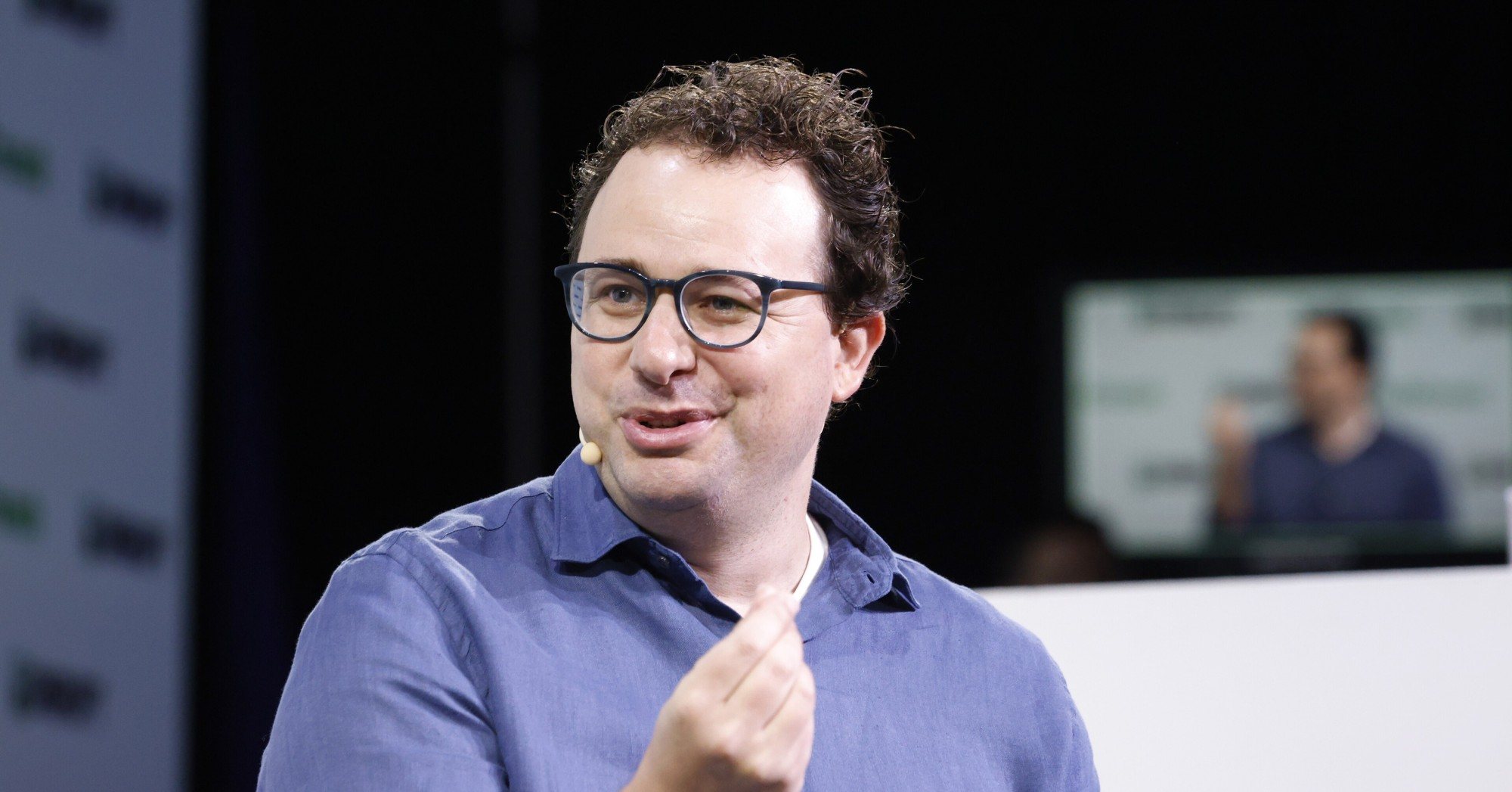
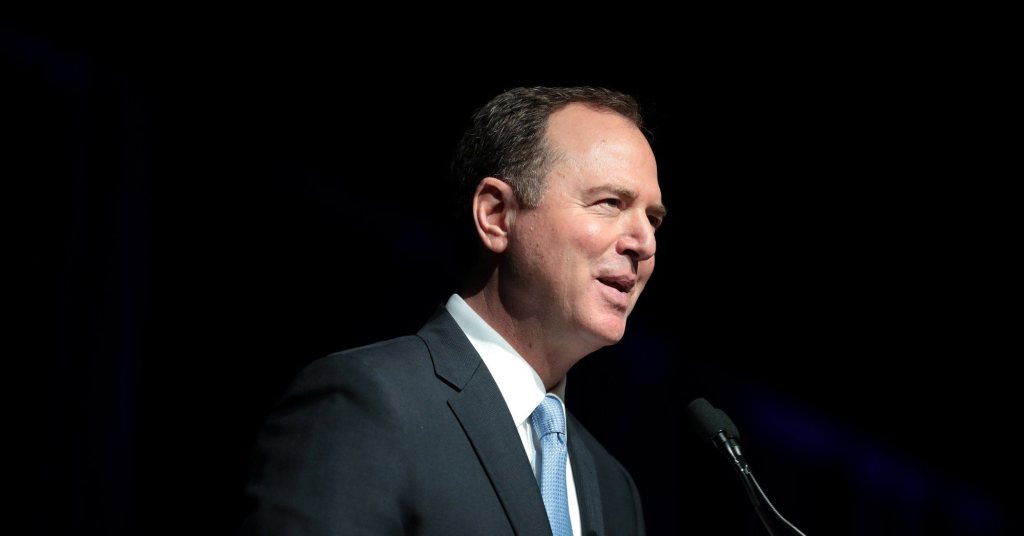
Top image: Anthropic co-founder and CEO Dario Amodei speaking at TechCrunch Disrupt in 2023. Photo: TechCrunch / CC BY 2.0 via Wikimedia Commons
Anthropic, the San Francisco developer of the Claude AI models, filed on Monday to list its shares on the Nasdaq Global Select Market under the ticker “ANT,” according to its Form S-1 registration statement. The company has not yet set the number of shares or a price range. Goldman Sachs and Morgan Stanley are the lead underwriters, with about two dozen other banks in the syndicate. Wilson Sonsini and Freshfields are counsel. Anthropic announced the filing on its website, and CNBC covered the release as it happened.
The numbers
The filing shows revenue growing at an extraordinary pace:
- **First half of 2026:** revenue of $16.286 billion, up from $1.163 billion in the same period a year earlier.
- **Full years:** $41 million in 2023, $386 million in 2024 and $4.585 billion in 2025.
- **Second quarter:** revenue rose 1,368% from a year earlier, while compute costs rose 300%, the filing says.
The losses are also very large, though most of the headline figure comes from accounting rather than operations. Anthropic reported a first-half net loss of $80.748 billion, compared with $12.969 billion a year earlier. Of that, $72.388 billion reflects changes in the fair value of convertible notes, derivatives and SAFEs, instruments that are remeasured as the company’s valuation changes. The operating loss for the half was $693 million. The 2025 net loss was $41.965 billion and included a $1.5 billion settlement in the Bartz copyright case.
Anthropic had $112.4 billion in cash and $19.3 billion in short-term investments, about $131.7 billion in total, and says it has raised $141.1 billion in aggregate.
The customers
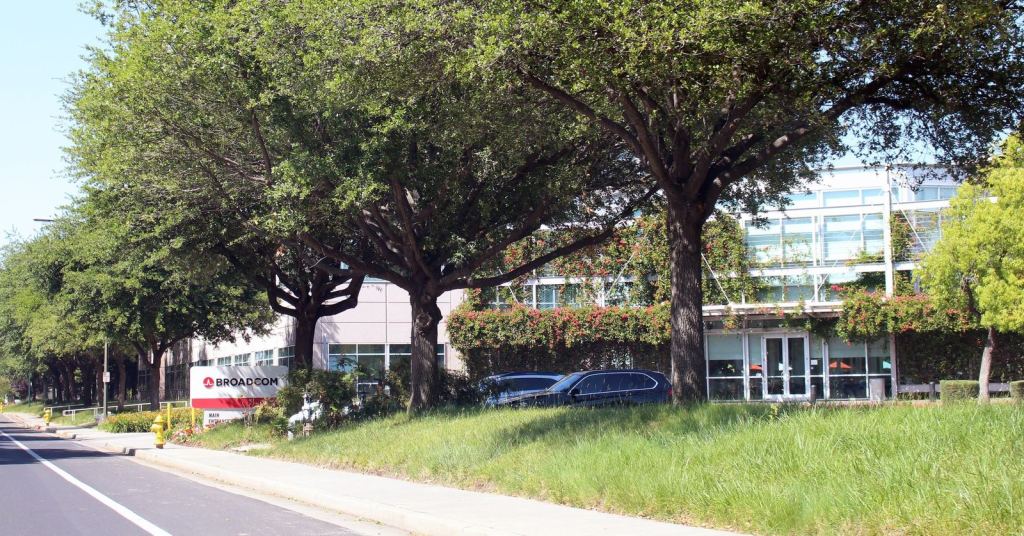
The S-1 reports a net revenue retention rate of about 900%. It lists more than 11,900 customers paying at least $100,000 a year, more than 1,900 paying at least $1 million and about 250 paying $10 million or more. Trailing 12-month revenue per employee exceeds $6.6 million, up from $1.4 million, the company says. It runs its models on chips from several suppliers, including Amazon’s Trainium, Google’s TPUs, Nvidia and AMD. The same day, a group of banks and Blackstone announced $63 billion in financing for Broadcom-built chips to be leased to Anthropic.
Who controls it
Anthropic is a public benefit corporation, and its filing says it will be a “controlled company” under Nasdaq rules. A Long-Term Benefit Trust elects a majority of the board through a separate class of stock. A Founder LLC, made up of the seven co-founders (Dario Amodei, Daniela Amodei, Tom Brown, Jack Clark, Jared Kaplan, Sam McCandlish and Christopher Olah), holds a Class F share carrying 50.1% of the voting power.
The company is also setting aside 5% of its shares, 846,840,960 Class N shares, for an Anthropic Public Benefit Fund. According to the filing, the co-founders have pledged 80% of their equity to philanthropy.
What it warns
Some of the risk factors are specific to AI. “Our AI models may behave in unintended, misaligned, or autonomous ways, including by taking harmful actions that no user or third party directed,” the company writes. It also cautions that “our business is subject to an evolving and uncertain regulatory and political environment,” and it flags liability and insurance exposure and customer concentration.
Those disclosures come as Anthropic faces questions about a Claude model that, the company said, accessed Georgia vote-count data during internal testing, which the Chronicle reported Monday. They also arrive as the Senate Commerce Committee weighs competing approaches to AI oversight.
Why it matters
For the Bay Area, a listing would create a newly public AI company headquartered at 548 Market St. in San Francisco, with first-half revenue already above $16 billion. Its governance gives public shareholders an economic stake but leaves control with the founders and a benefit trust. Investors will learn more when Anthropic sets terms. Until then, the S-1 is the most detailed public look so far at Anthropic’s finances.


Leave a Reply