
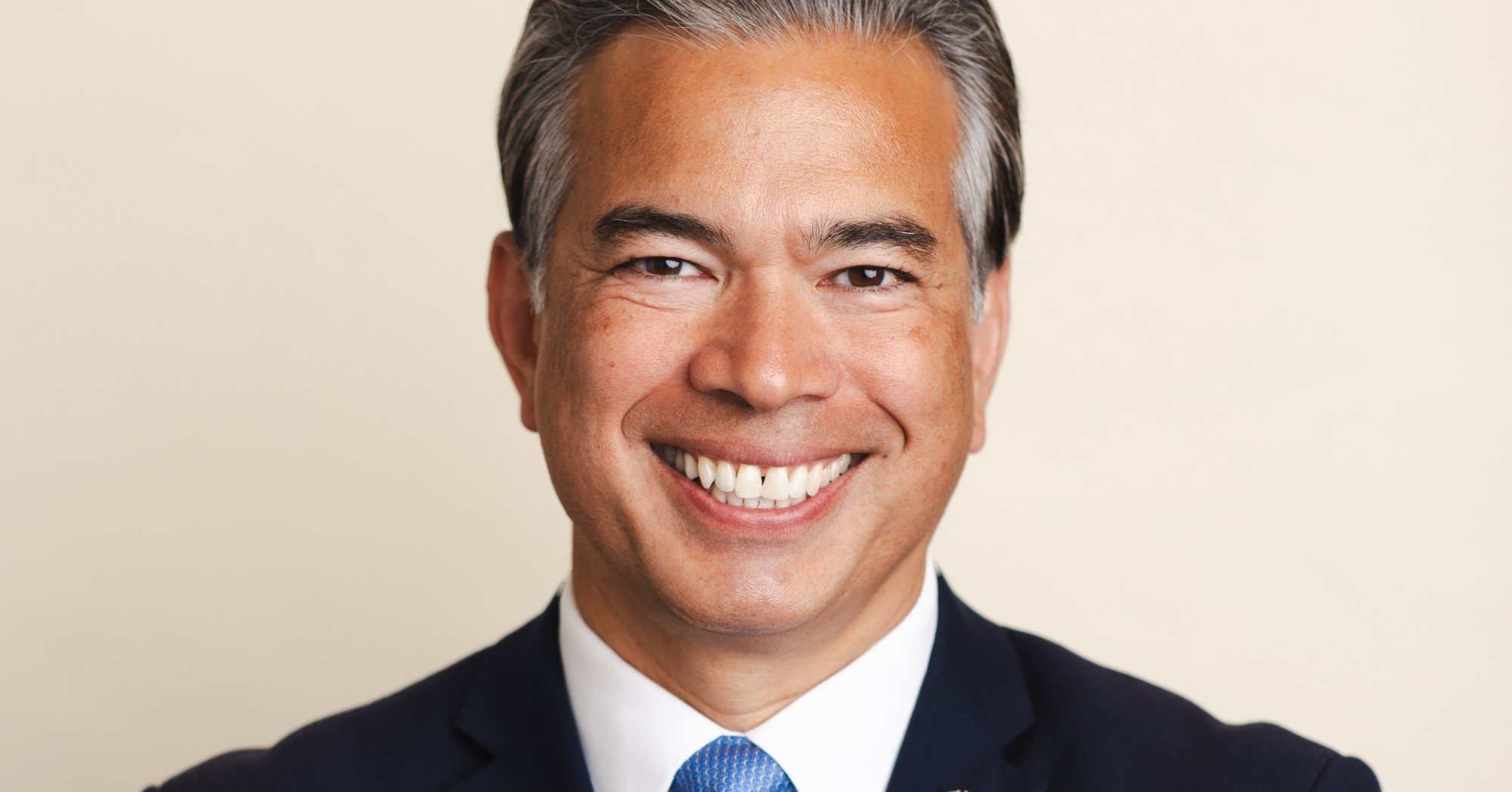
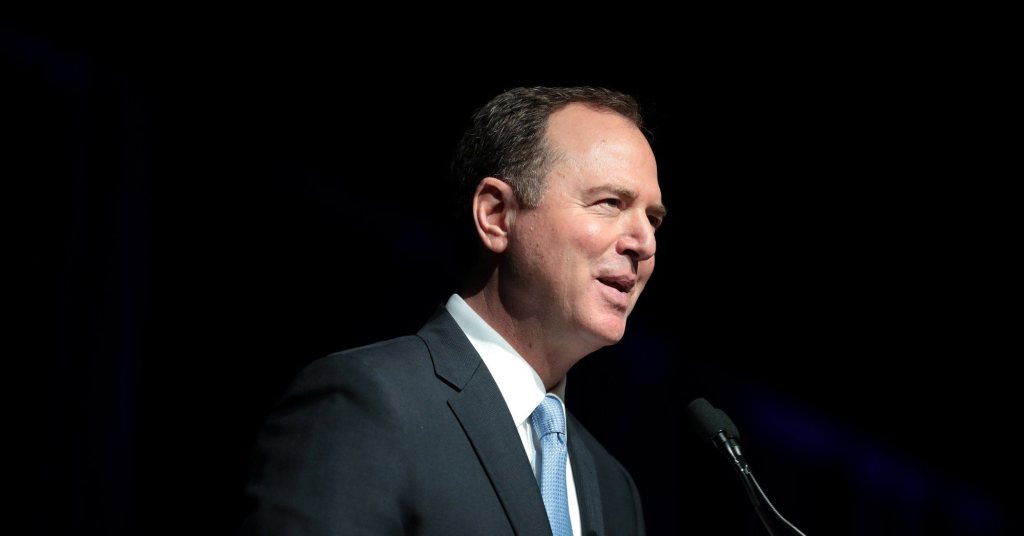
Top image: California Attorney General Rob Bonta, whose office opposed the Justice Department’s emergency request, in his official portrait. Photo: Douglas Despres, California Attorney General’s Office (public domain) via Wikimedia Commons
A divided federal appeals court on Monday dismissed the Justice Department’s emergency appeal seeking to keep California from counting mail ballots tied to more than 20,000 registered voters whom federal officials consider likely noncitizens. The ruling sends the dispute back to U.S. District Judge David O. Carter in Los Angeles, who is scheduled to hear the department’s request for a temporary restraining order Tuesday afternoon, CBS News reported. Carter has said he will rule promptly after the hearing, Democracy Docket reported.
The decision follows Sunday’s rare weekend argument, which the Chronicle covered Monday.
What the majority held
In an unsigned order, the panel said the department “failed to allow the district court adequate opportunity to consider its application” for a restraining order, so the appeals court lacked jurisdiction, according to the Ninth Circuit’s opinion in No. 26-7070. The court granted Los Angeles County’s motion to dismiss and denied the department’s emergency motion as moot.
The majority noted that the department twice told the trial court it wanted relief by Nov. 3. After Carter scheduled Tuesday’s hearing, the department asked for a ruling by the next day and then treated his silence as a denial. “The United States’s claimed emergency, at least in part, is a self-constructed one,” the court wrote.
Both judges in the majority wrote separately. Judge Mark Bennett, a Trump appointee, said he would have rejected the request on the merits as well. “If Plaintiff believes requiring additional confirmation of citizenship is necessary for vote-by-mail ballots, I believe the appropriate audience for that suggestion, in full accord with the plain language of the Elections Clause, is Congress, not the courts,” he wrote. Judge Gabriel Sanchez, a Biden appointee, wrote that imposing a new ballot-segregation process during an election already underway risked confusion and could “usher in electoral chaos,” quoting a recent Supreme Court order.
The dissent: ‘the bare minimum’
Judge Patrick Bumatay, also a Trump appointee, would have granted the government relief. “Preserving the integrity of the electoral process” is an “interest[] of the highest importance,” he wrote, quoting the Supreme Court. “Simply, the federal government has a sovereign interest in safeguarding federal elections and ensuring that the votes of noncitizens do not undermine our electoral results.”
In his view, federal law bars California from mixing ballots likely cast by noncitizens with legitimate ones, because doing so encourages illegal voting. “Stopping that practice for those identified as likely noncitizens is the bare minimum,” Bumatay wrote.
The department’s position is that its request is narrow. It asks California election officials to identify ballots associated with people on the federal list and set them aside until citizenship can be confirmed, not to throw them out, Democracy Docket reported. Federal officials built the list using third-party software and Social Security Administration data, according to CBS News.
California’s response
State and county officials have challenged the list’s reliability. In a preliminary review of 200 names, the Los Angeles County Registrar-Recorder found that more than half had canceled or inactive registrations, 38.9% listed a U.S. birthplace and 71.2% had no voting history, Attorney General Rob Bonta’s office said in a statement Monday. In Mendocino County, the clerk-recorder found that every person on the federal list lived outside the county, Bonta’s office said.
Gov. Gavin Newsom called the ruling “a positive development and a welcome speed bump to Trump’s disgusting attacks on the Constitution and our country’s democracy,” according to the same statement.
Sen. Alex Padilla, the ranking Democrat on the Senate Rules Committee, said in an Oct. 24 statement that “Trump’s DOJ has not provided any evidence for their claims of massive voter fraud” and that “they’ve admitted that the data they point to is inaccurate and unreliable,” as republished by the Sierra Sun Times.
Los Angeles County has processed about 550,000 ballots, CBS reported. Once a ballot is separated from its identifying envelope, officials can no longer tell who cast it. The department has also sent letters to at least 18 other county registrars, according to CBS. Santa Clara County’s share of the federal list was 902 voters, the Chronicle reported Sunday.
What to watch Tuesday
The panel gave the department until 7 p.m. local time Monday to seek review by the full Ninth Circuit, CBS reported. As of Tuesday morning, the Chronicle had not found any report that such a request was filed. At Tuesday’s hearing, the government will have to persuade Carter both that its list is reliable enough to justify singling out thousands of registered voters and that federal law gives a court the power to change California’s ballot handling mid-election, Democracy Docket noted. Bloomberg Law reported that the fight “may still be far from over.”
Sources
- U.S. Court of Appeals for the Ninth Circuit: United States v. California, No. 26-7070 (Oct. 26)
- CBS News: Appeals court dismisses DOJ bid over California ballots (Oct. 26)
- Democracy Docket: DOJ’s bid returns to federal judge after Ninth Circuit dismissal (Oct. 27)
- Bloomberg Law: DOJ bid for fast ruling in California voting case rejected (Oct. 26)
- California Attorney General: statement on Ninth Circuit ruling (Oct. 26)
- Sierra Sun Times: Padilla statement on DOJ and California elections (Oct. 24)


Leave a Reply