
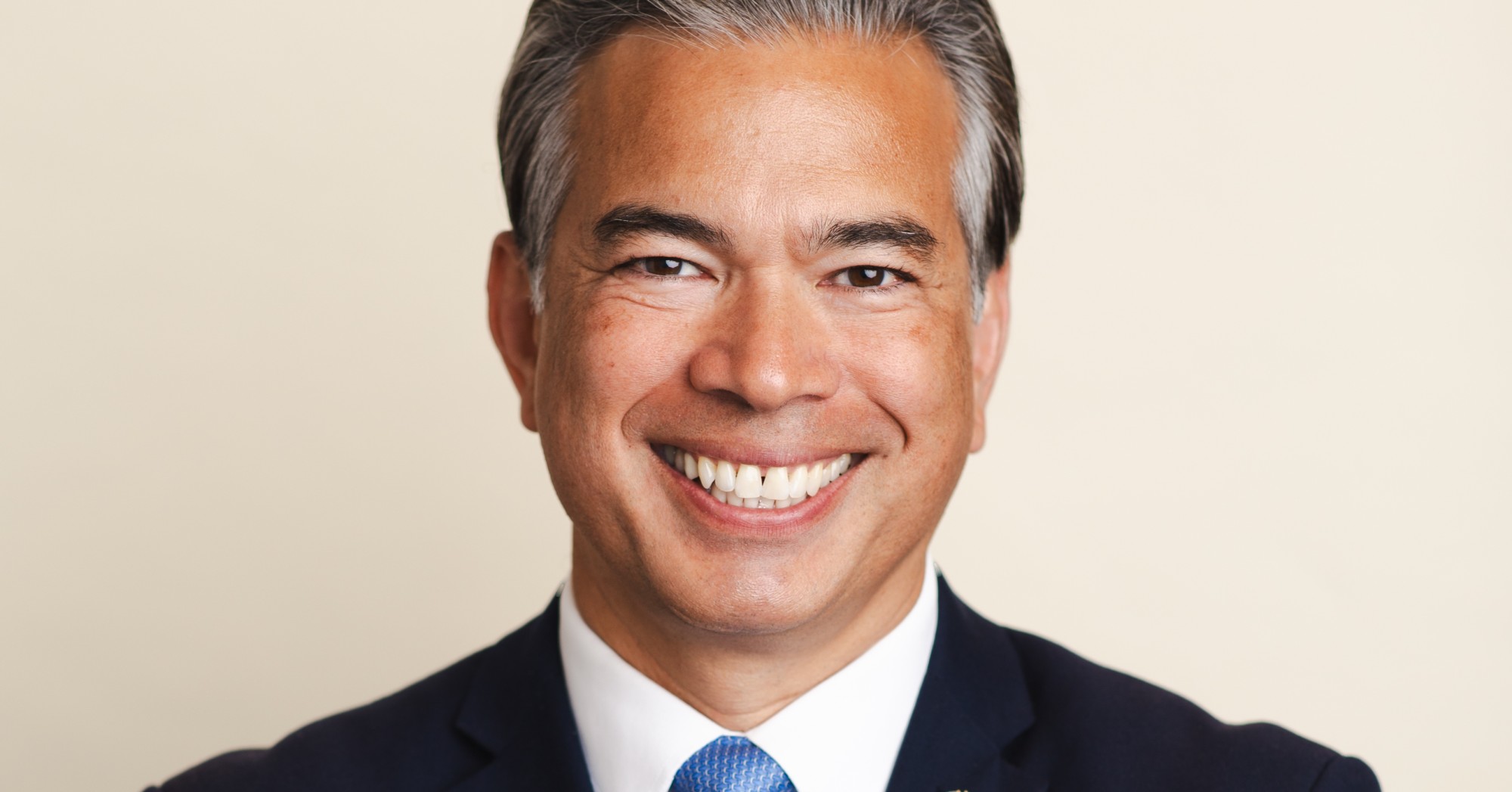
Top image: California Attorney General Rob Bonta, whose office has opposed the Justice Department’s California election moves in court. Photo: Douglas Despres, California Attorney General’s Office (public domain) via Wikimedia Commons
With voting set to close Tuesday, a run of federal court rulings issued between Wednesday and Saturday now shapes what the Justice Department can and cannot do in California’s election. The administration says it is acting to stop noncitizen voting. The courts, so far, have said it has not shown enough to justify the steps it sought.
The Friday order: hands off election workers
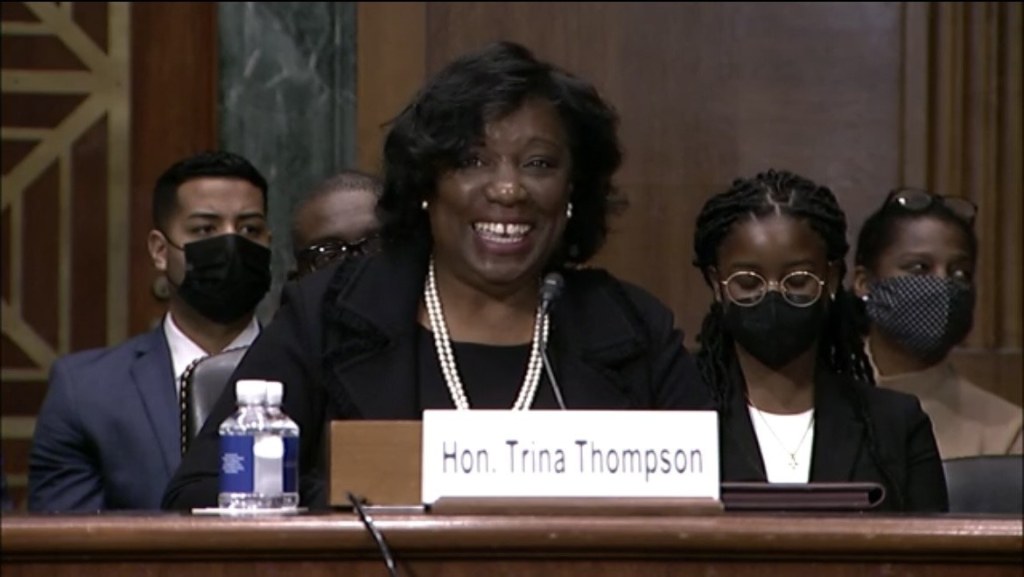
U.S. District Judge Trina L. Thompson of the Northern District of California issued a temporary restraining order on Friday, Oct. 30. It bars the Justice Department and the Department of Homeland Security from threatening, intimidating or coercing California election workers, and from demanding that they set aside, hold back or decline to count ballots, according to the order and CBS News. The suit was filed the day before by labor unions including SEIU.
The order also requires the department to report pending subpoenas and warrant requests that involve California election officials. Thompson found the unions were likely to succeed on a claim under the Voting Rights Act. The order expires Nov. 16, and a hearing is set for Nov. 13.
“One of the hallmarks of a fair election is the freedom to exercise the right to vote free from threat, fear, or intimidation,” Thompson wrote. “Although Defendants claim that their actions are designed to halt unlawful voting by noncitizens, their actions are likely to have the effect of interfering with election administration and disenfranchising lawful voters.”
On timing, she wrote: “Election Day is around the corner,” and “the Court sees no reason to delay its ruling.”
The administration’s response
The Justice Department objected to how the order came about. “The judge issued an order against the federal government without even waiting to hear from the United States, while in other cases the Department’s own urgent election claims are delayed by judges until after Election Day,” a department spokesperson told CBS News. “That is a two-track system of justice. The Department is reviewing the order and evaluating all options.”
President Trump has framed the effort as a fight against illegal voting. In a post on Saturday, he said U.S. Attorney Bill Essayli had “caught a massive number of Illegal Votes, 20,000, but potentially Hundreds of Thousands, and maybe even Millions,” according to the Los Angeles Times. The figure of about 20,000 refers to the voter records at the center of the department’s ballot case. No court has found that those voters cast illegal ballots. The UCLA Voting Rights Project has said the department’s list “contains extensive errors,” the Times reported.
The Ninth Circuit: ‘at best, uncertain’
Also on Friday, a Ninth Circuit panel turned back the department’s bid tied to those roughly 20,000 California voters. The panel was Judge Mark Bennett, a Trump appointee, and Judge Gabriel Sanchez, a Biden appointee. “We decline the United States’s invitation to contravene the Elections Clause,” the panel wrote, adding that the “risks that noncitizens are voting are, at best, uncertain,” according to the Times. The Chronicle’s earlier coverage of the case, including U.S. District Judge David O. Carter’s Oct. 28 denial, is here.
The Times also reported that the full Ninth Circuit declined to rehear a separate ruling by U.S. District Judge Araceli Martínez-Olguin over door-to-door voter canvassing. The department missed the deadline to seek review by the full court and did not immediately appeal to the Supreme Court.
What state officials are saying
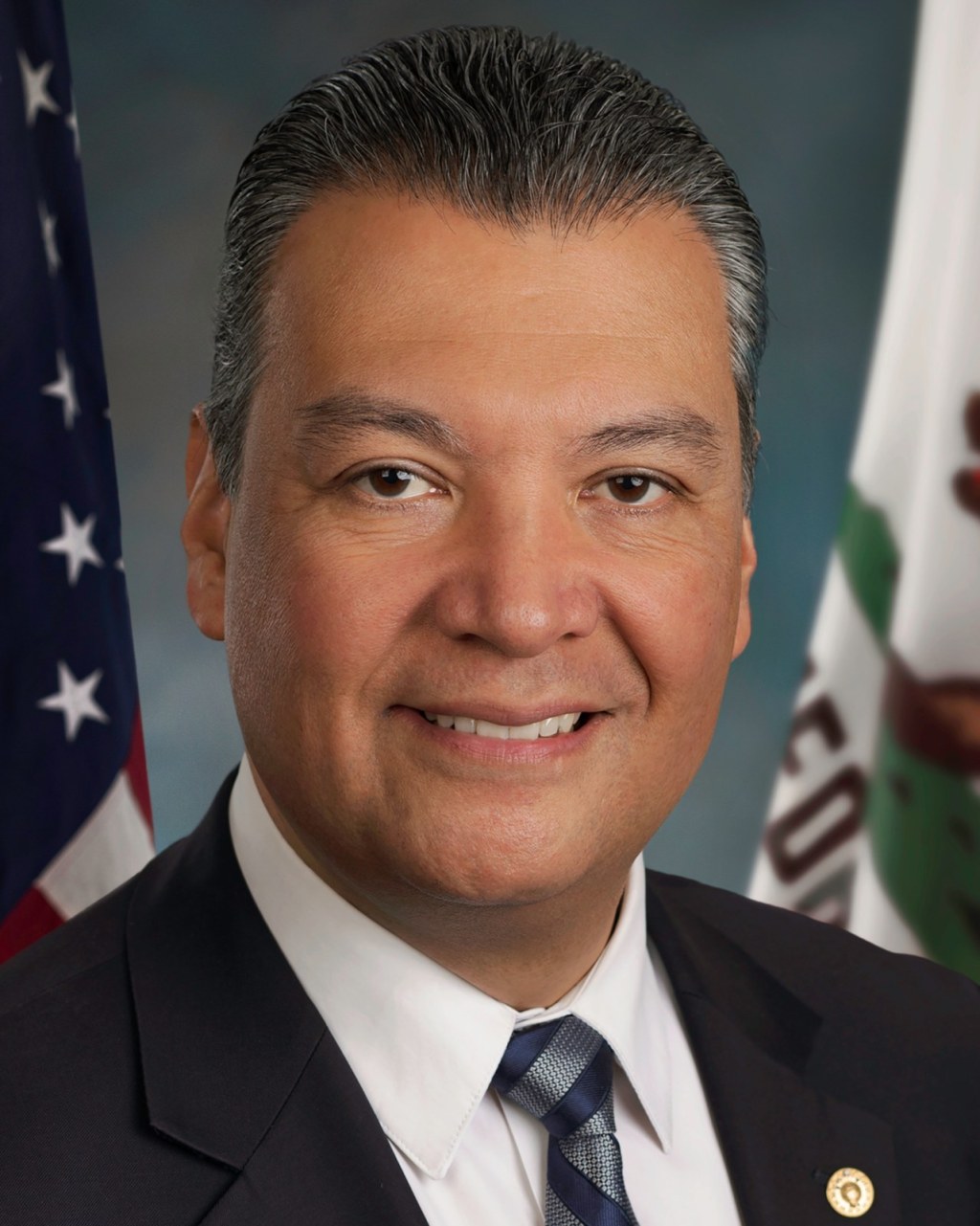
Gov. Gavin Newsom sent a letter on Saturday urging federal judges not to approve warrants to seize ballots, the Times reported. Attorney General Rob Bonta called the week’s rulings a “judicial smack down.” Sen. Alex Padilla, California’s former secretary of state, wrote that “states — not Donald Trump — run our elections.”
What it means for voters
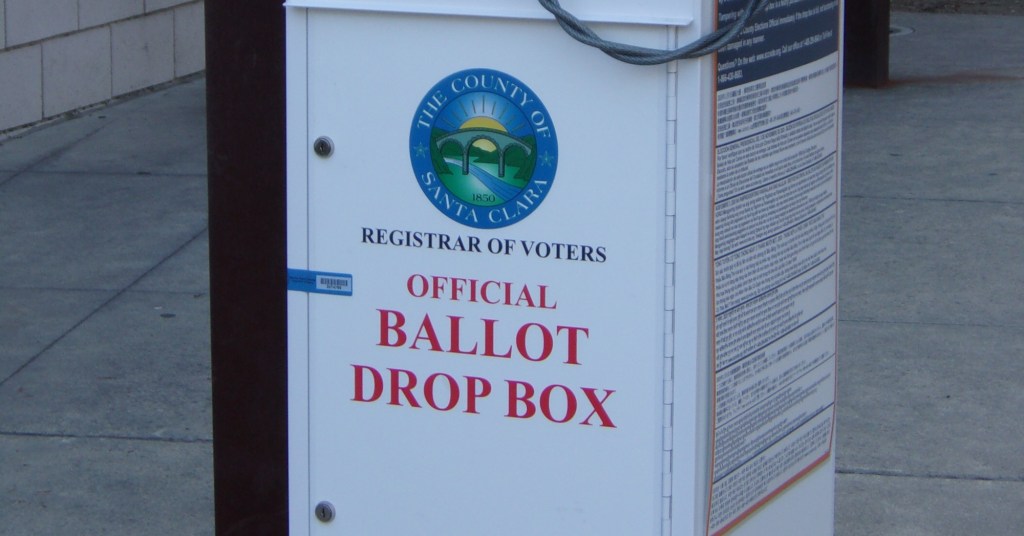
For voters, nothing about how to cast a ballot has changed. Mail ballots must be postmarked by Nov. 3 and arrive within seven days. Vote centers in Santa Clara and San Mateo counties are open through Election Day, and same-day registration is available (our guide). The Guardian has also reported on the department’s demands of election workers that preceded the unions’ lawsuit.
The legal fight is likely to continue after Tuesday. The restraining order runs to Nov. 16, the department says it is weighing “all options,” and the administration has kept making its case in public that the voter rolls need scrutiny.


Leave a Reply