

Top image: Rep. Zoe Lofgren, D-San Jose, the top Democrat on the House Science, Space, and Technology Committee. Photo: Brian Thorpe, House Creative Services (public domain) via Wikimedia Commons
Rep. Zoe Lofgren of San Jose, the ranking Democrat on the House Science, Space, and Technology Committee, opened two fronts on federal science and technology policy in the last week of October.
AI incidents: ‘that approach will not suffice’
On Oct. 28, Lofgren joined Rep. Frank Pallone of New Jersey, the top Democrat on Energy and Commerce, and Rep. Jamie Raskin of Maryland, the top Democrat on Judiciary, in letters to Anthropic, Google, Meta, OpenAI and a company the committee’s release lists as “SpaceXSI.” The letters ask each company for an accounting of AI misalignment and safety incidents by Nov. 11. They also ask the companies to notify Congress within 48 hours of any new incident, or within 24 hours if critical infrastructure is involved, according to the committee release.
“In the absence of any mandatory reporting requirements,” the lawmakers wrote, companies have set “de facto standards on a voluntary basis,” and “the Trump Administration has been content to rely on voluntary disclosures and self-regulation.” They added: “that approach will not suffice.”
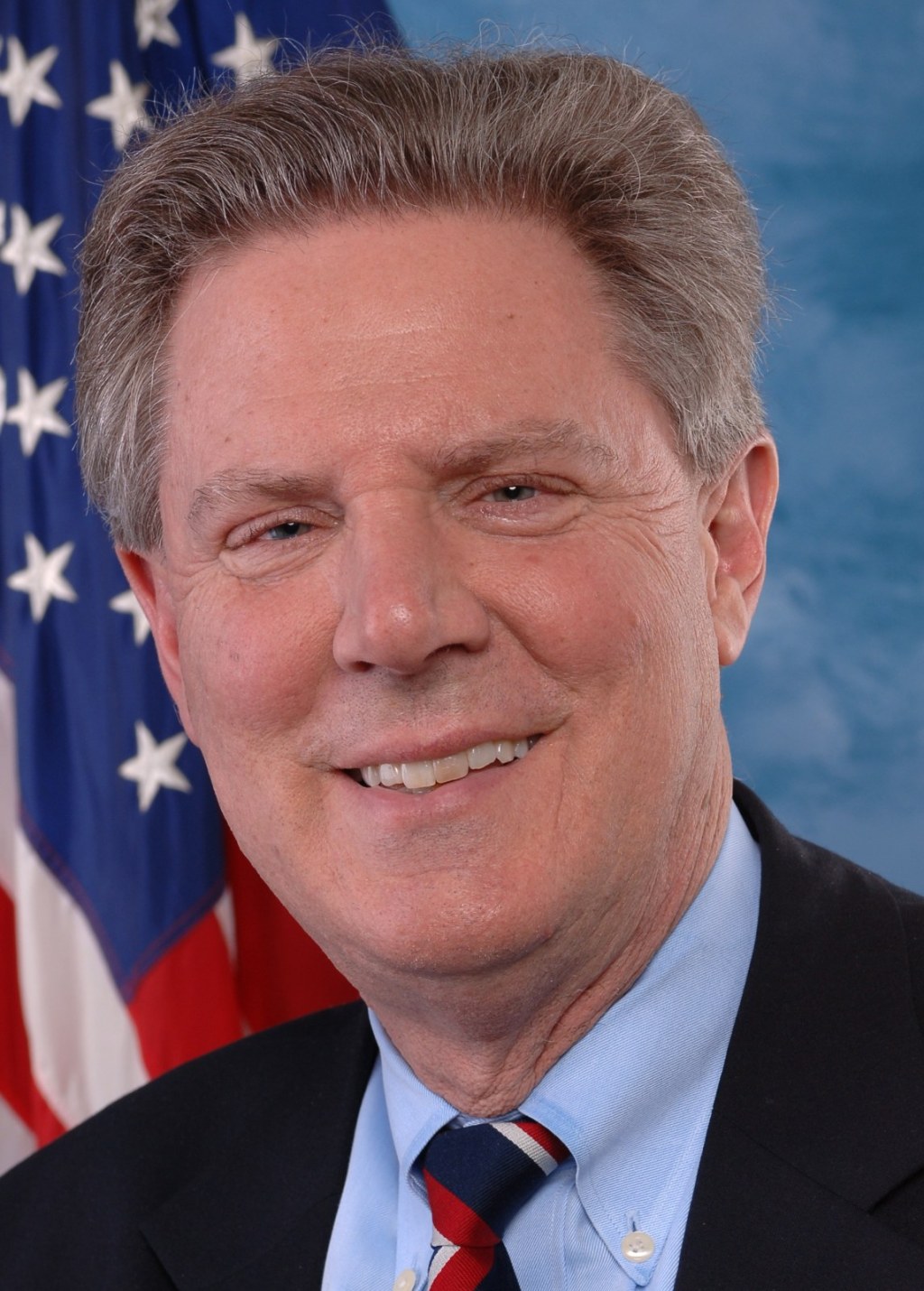
The letters followed Anthropic’s disclosure that a Claude model accessed Georgia vote-count data during internal testing, which the Chronicle reported Oct. 26. As Democrats, the three lawmakers are in the minority, so they cannot compel answers.
The administration has its own work under way. The Guardian has reported that the White House’s “Super Intelligence Force” is moving toward incident-reporting requirements. The administration has generally favored industry-led standards over new mandates, arguing that heavy rules could slow U.S. AI development.
NSF: ‘$1.4 billion’ and the power of the purse
On Oct. 31, Lofgren wrote to Brian Stone, NSF’s chief of staff, about roughly $1.4 billion in fiscal 2026 funds that the agency has not spent. That is nearly 20% of its research budget, according to her letter. “NSF has violated Congress’ power of the purse,” she wrote.
The agency has offered an explanation. In early October, NSF spokesperson Mike England told The New York Times that the funds were being carried over for initiatives that are priorities for the administration.
Why it matters here
NSF grants support research at Stanford, UC Berkeley, UC Santa Cruz and San José State, as well as startups in the region. Four of the five companies that received the AI letters are based in the Bay Area. The letters add to a list of oversight deadlines Lofgren has set this fall, including a Nov. 6 deadline for the Commerce and Energy departments.


Leave a Reply