
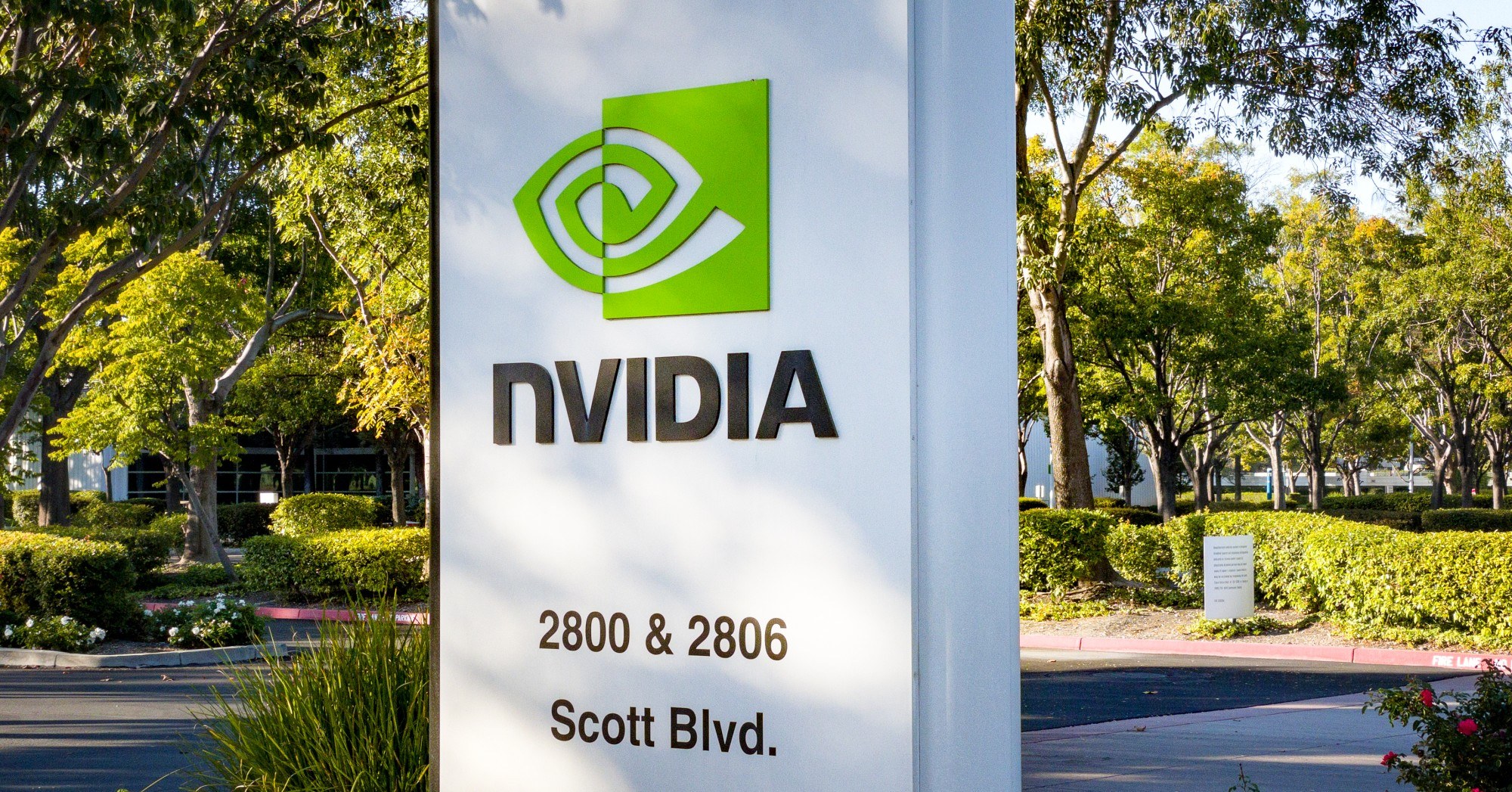
Top image: An Nvidia sign outside the company’s campus in Santa Clara. Photo: Will Buckner / CC BY 2.0 via Wikimedia Commons
Nvidia has spent the past several days defending its chief executive’s business relationships. Several outlets reported that US intelligence officials believe a businesswoman tied to one of the chipmaker’s Southeast Asian customers was passing information to Beijing.
According to a report by The New York Times, as summarized by the BBC, US officials believe Alice Huang, also known as Huang Le, was gathering information on Nvidia for the Chinese government. She has been linked to Megaspeed, a Singapore-based data center company. The Times said she had developed a close relationship with Nvidia CEO Jensen Huang; the two are not related. The Times also reported that she was under investigation over the possible diversion of advanced Nvidia AI chips to China. TechCrunch reported the same core allegation on Oct. 29.
The Chronicle has not independently confirmed the intelligence findings. No one has been charged in connection with them, and it is unclear what information was allegedly passed, how valuable it was, or when any collection began, the BBC noted. Alice Huang did not respond to the Times’ request for comment.
How Jensen Huang’s name surfaced
According to the reports, US surveillance picked up communications between Alice Huang and an American citizen. Officials later identified him as Jensen Huang through “unmasking,” the process by which authorized officials learn the name of a US person who was redacted from an intelligence report. Nothing in the reporting accuses Jensen Huang of wrongdoing.
Nvidia’s answer
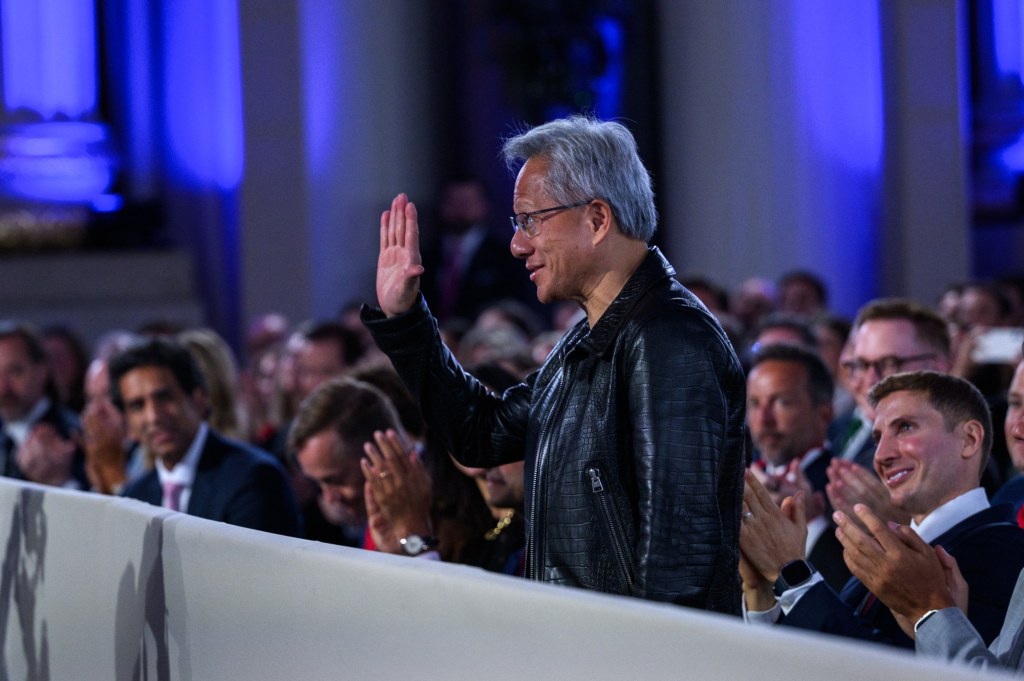
Nvidia spokesman John Rizzo said “Jensen’s interactions with Ms Huang are not unusual or unexpected.” He said customers like Megaspeed “receive ordinary business information – not sensitive Nvidia trade secrets – and zero information relevant to national security.” Rizzo said allegations that Megaspeed smuggled chips to China “were thoroughly investigated and debunked last year.”
Jensen Huang addressed the matter himself in an interview with Bloomberg, CNA reported. He called the relationship “normal and not unusual” and said of Megaspeed: “We’ve studied all their deployments of our GPUs and counted every one.” GPUs, or graphics processing units, are the chips that train and run most large AI models.
According to the Times, Megaspeed said its current leadership takes the allegations seriously. The company has hired outside lawyers to run an internal investigation and has told the US government it is willing to cooperate.
Beijing and Singapore
China’s foreign ministry rejected the reports. “The report in question is based on groundless speculation and is nothing more than an attempt to smear China,” spokesman Guo Jiakun said at a Friday briefing.
Singapore went further, disputing a related Oct. 30 report in The Wall Street Journal. In a clarification statement on Oct. 31, the Ministry of Home Affairs said Singapore officials never said they were concerned about Alice Huang. It added: “there were no such investigations conducted in respect of Alice Huang.” The ministry also published the reply that the Singapore Police Force had given the Journal. That reply said “investigations into Megaspeed are ongoing.” It also said Singapore charged four individuals and four companies between February 2025 and July 2026 with defrauding server suppliers.
The policy backdrop
The reports land in the middle of a long fight over how many advanced chips Nvidia may sell into China. Washington has restricted exports of Nvidia’s most advanced chips to China since 2022, on national-security grounds. The BBC noted that the Trump administration has loosened some of those restrictions. Jensen Huang has argued that selling more into China helps keep the US competitive in AI. Nvidia says it complies with export laws and that there is no evidence its chips have been smuggled into China.
Lawmakers in both parties have already proposed requiring location verification for advanced AI chips, and the reports add to that debate. They also come as investors already pulled back from AI stocks late last week.
The long view
Nvidia is Santa Clara’s most valuable company and the main supplier of chips for the AI build-out. Its business depends on selling to cloud and data-center operators all over the world. Many of them, like Megaspeed, are intermediaries the company does not control. The Megaspeed episode shows a structural problem: the more successful Nvidia’s global sales are, the harder it is to account for every chip and every relationship. Washington’s next move on chip tracking, and whether US officials put any of the intelligence on the record, will show whether this stays a news story or becomes a policy one.



Leave a Reply