
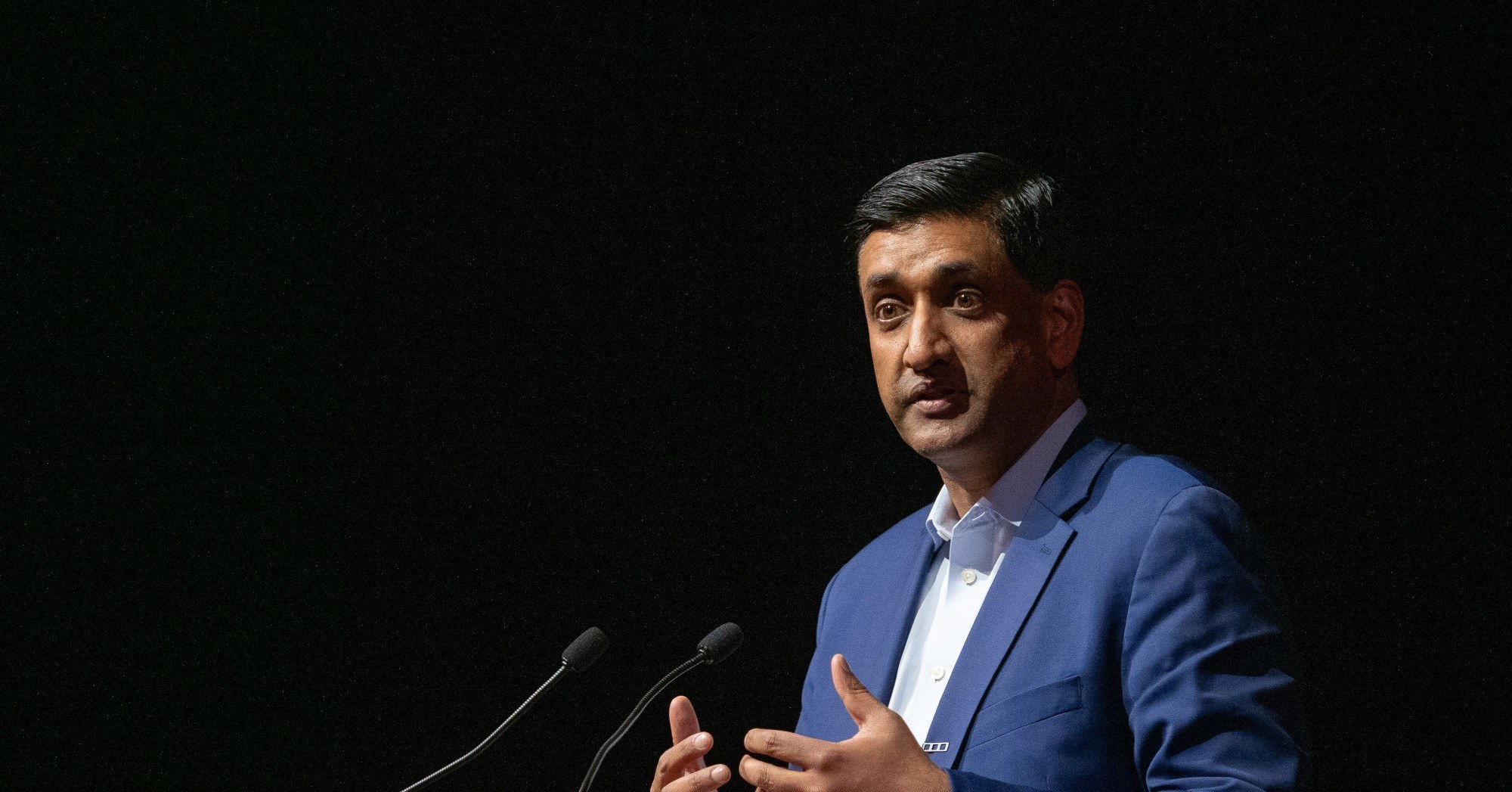
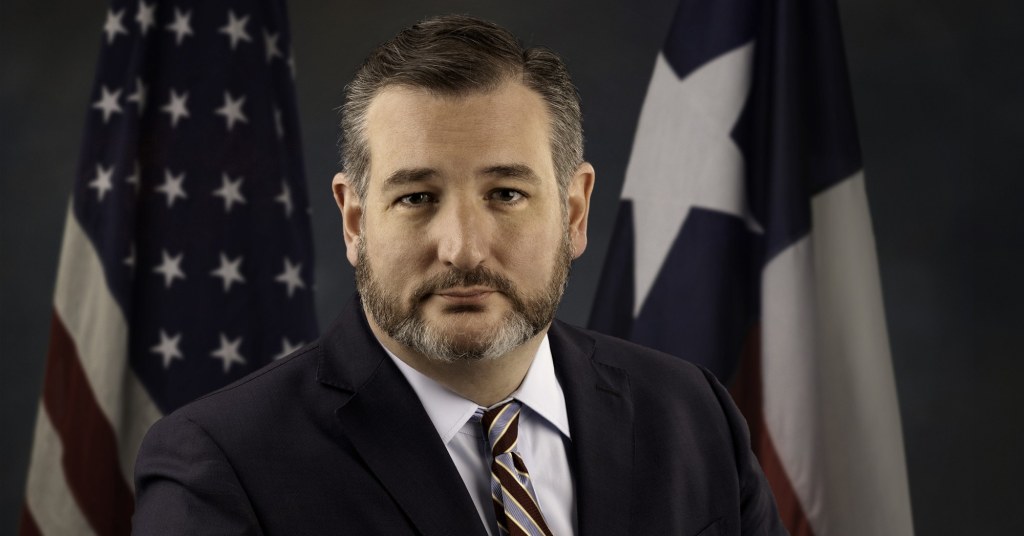
Top image: Rep. Ro Khanna, D-Fremont, speaking in February 2026. Photo: Anderseidesvik / CC BY-SA 4.0 via Wikimedia Commons
ANALYSIS | Delegation
The Trump administration says its war with Iran has a fixed purpose. The White House has listed its goals since the first strikes in late February: “obliterate Iran’s ballistic missile arsenal and production capability, annihilate its navy, sever its support for terrorist proxies, and ensure the world’s leading state sponsor of terrorism never acquires a nuclear weapon.” It said in an April 1 release that these objectives had been “clear and unwavering” from day one. On gas prices, the White House said on Oct. 25 that prices “will soon drop rapidly” because of record domestic oil and gas production and new refining capacity.
Rep. Ro Khanna of Fremont has a different plan, and he set it out on national television two days before the election. On “Fox News Sunday,” Khanna told anchor Shannon Bream that if Democrats win Congress, they would cut off money for any further military action in Iran “on day one.” He tied the war directly to the gas prices squeezing voters, according to the Daily Wire’s account of the interview and reports by The Hill and Benzinga.
“I would stop the funding. The House and the Senate should stop the funding for any further actions in the Iran War,” Khanna said, according to the Daily Wire’s transcript. “That’s what we did to stop the Vietnam War, and we need to stop this war in Iran. And by the way, the president can’t veto that. The House and the Senate have the power on the appropriations bills.”
The remarks are the clearest statement yet of how Khanna, a likely contender for the 2028 Democratic presidential nomination according to The Washington Post and NPR, would use a Democratic majority. They are also a test case for a question both parties will face if the House changes hands on Tuesday: what Congress’s spending power can actually do to end a war.
The money and the stakes
The financial side is large and growing. The U.S. military has spent more than $47 billion on the war so far, according to Pentagon data obtained by Reuters and reported Oct. 28 by Military Times. That is more than 25% higher than the department’s July estimate. More than $29 billion of it is for replacing munitions. The Pentagon did not respond to Reuters’ request for comment, and the estimate has not been released publicly.
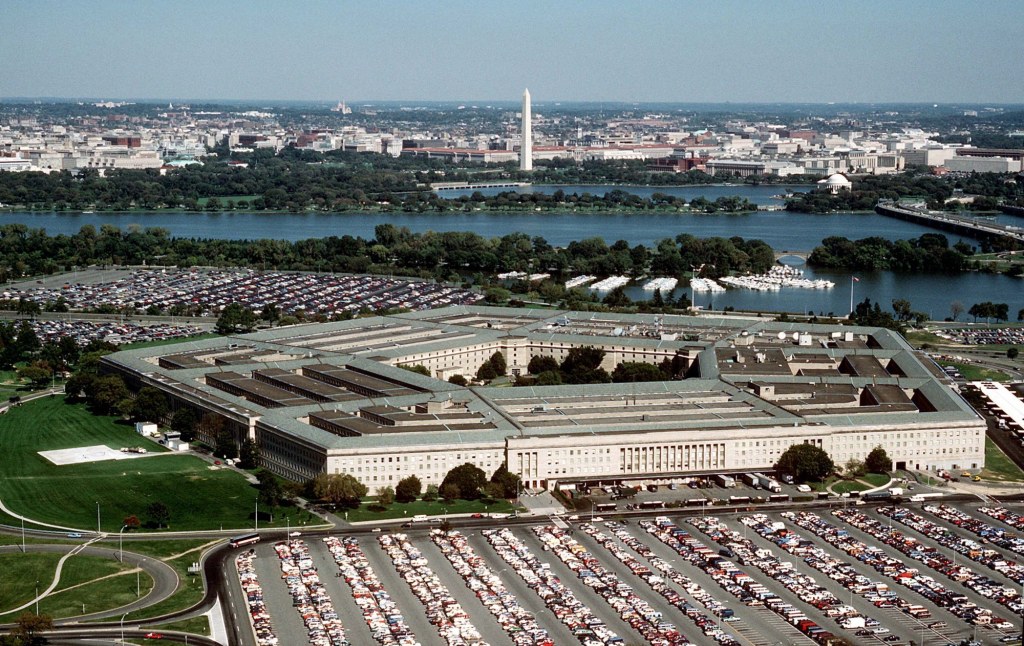
Fighting has been mostly paused for months, but that may not last. NPR reported Oct. 30 that the U.S. and Israel are preparing for a possible new round of strikes after the midterms, and that a third aircraft carrier is heading to the region. Al Jazeera, citing The Wall Street Journal and The New York Times, reported that Central Command briefed President Trump on options for renewed attacks. It also reported, citing The Washington Post and The New York Times, that Vice President JD Vance had offered to meet a senior Iranian official to negotiate an end to the war. Sen. Chris Murphy, D-Conn., who said he had been briefed on the plans, called them “insane,” NPR reported.
Khanna’s record on this war
Khanna’s position is not new, and it has been consistent. In March he was the lead Democratic co-sponsor, with Rep. Thomas Massie, R-Ky., of H.Con.Res. 38. The war powers resolution would have directed the president to remove U.S. forces from “unauthorized hostilities” in Iran. The House rejected it 212-219 on March 5, according to the House Clerk’s roll call 85. The 210 Democrats who voted yes were joined by two Republicans, Massie and Rep. Warren Davidson of Ohio. Four Democrats voted no, along with 215 Republicans. NBC News described Massie and Khanna as “the bipartisan duo that successfully fought for the release of the Epstein files” (NBC News). Most Republicans opposed the measure “in a bid to give President Donald Trump room to maneuver,” Roll Call reported, and the Senate blocked its own version 47-53 the day before.
Roll Call also noted a limit on that approach. A concurrent resolution does not go to the president, and the Supreme Court ruled in 1983 that this kind of “legislative veto” is unconstitutional. Appropriations work differently. Under Article I, Section 9 of the Constitution, “No Money shall be drawn from the Treasury, but in Consequence of Appropriations made by Law” (National Archives transcript). That is the tool Khanna is now pointing to.
What happened in 1973
Khanna is right that Congress used funding limits to end U.S. combat in Southeast Asia. But the record also shows that the president’s veto came into play.
In June 1973, Congress passed H.R. 7447, a supplemental spending bill with a “Cambodia rider” barring funds for combat “in, over, or from off the shores of Cambodia or Laos,” according to a Congressional Research Service report. President Richard Nixon vetoed it on June 27, 1973. In his veto message, he wrote that the rider “would cripple or destroy the chances for an effective negotiated settlement in Cambodia.” The House failed to override the veto, according to the Senate’s record of Nixon vetoes.
Congress and the White House then negotiated. On July 1, 1973, Nixon signed a revised bill, H.R. 9055 (Public Law 93-50), and a stopgap spending measure (Public Law 93-52). Both barred funds for combat in or over Cambodia, Laos, North Vietnam and South Vietnam after Aug. 15, 1973, according to CRS. The bombing in Cambodia ended on that date. Later in 1973 the Case-Church amendment wrote a similar ban into State Department authorizing law.
The 1973 cutoff did end U.S. bombing. But it became law only after the president vetoed one version and agreed to a compromise on timing.
The veto question
Khanna’s statement that “the president can’t veto that” needs a qualifier. Any appropriations bill that contains a funding cutoff must be presented to the president, and the president can veto it. Overriding a veto takes a two-thirds vote in each chamber. Democrats need a net gain of four seats in each chamber to take control, according to Reuters, as published by The Independent. Two-thirds of either chamber would take a far larger margin than either party holds today.
There is a stronger version of Khanna’s argument. Congress does not have to pass new war funding in the first place. If no appropriation is enacted, there is nothing for the president to sign or veto. Under this reading, a Democratic House could refuse to approve supplemental money for Iran operations, and the president could not compel it to. That is a real source of leverage, and it is the version of the power of the purse that the Constitution most clearly protects. But it does not prevent the Pentagon from spending money Congress has already approved, so it would not end operations “on day one.”
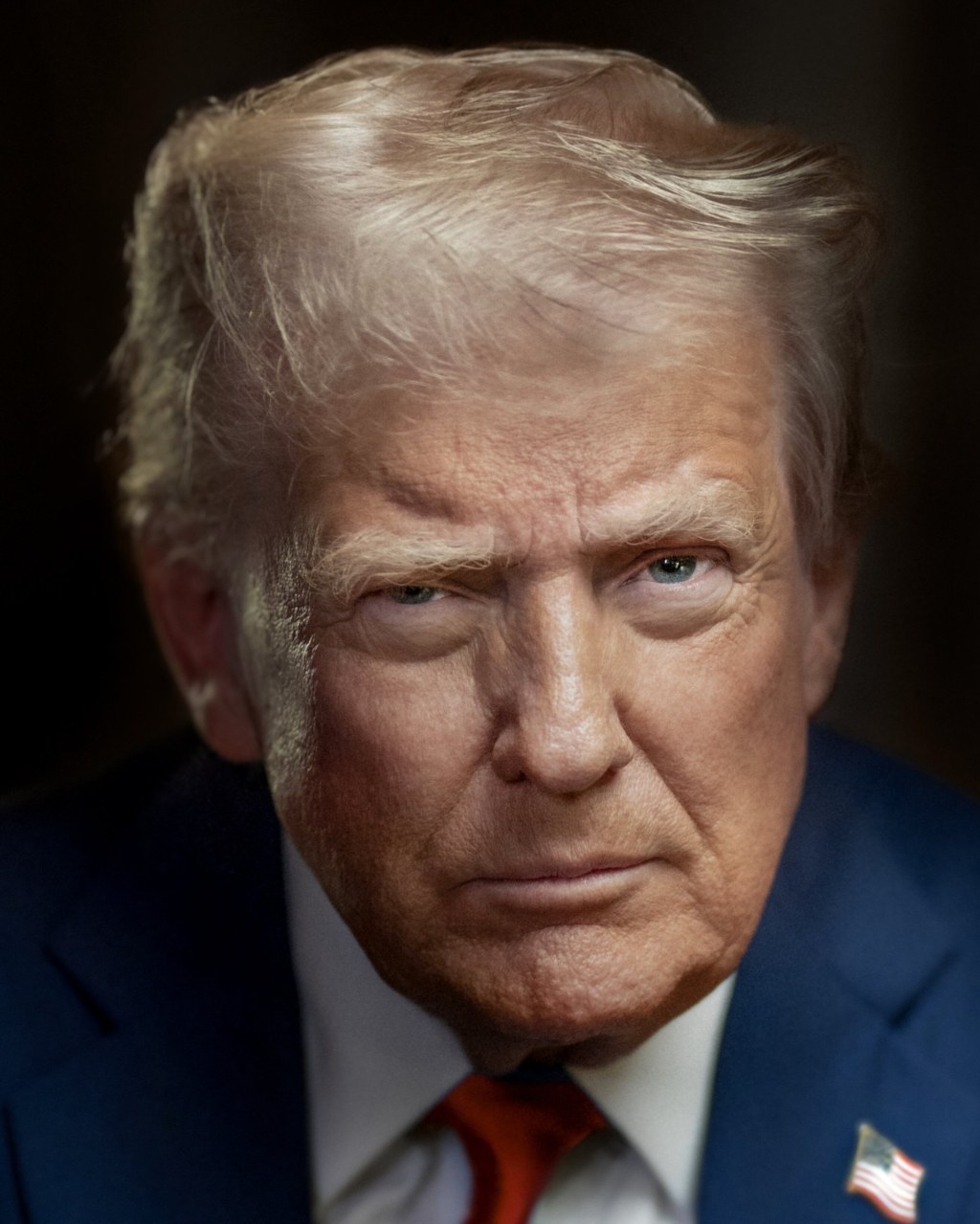
The president has already said what he plans to do with a Democratic Congress. “I guess I’ll become Mr. Veto,” Trump said in an interview excerpt released Sunday, according to the Reuters report. “And then at some point, we’ll probably make deals.” Reuters reported that the White House has been preparing since April to advance its agenda through executive action if Republicans lose. White House spokeswoman Lauren Bis told Reuters that the administration and “commonsense Republicans” would continue to “deliver wins for the American people.”
The Rebellion PAC question
The interview had a second exchange that drew criticism. Bream asked Khanna about an ad by Rebellion PAC supporting Abdul El-Sayed, a Democratic Senate candidate in Michigan. The ad, in the Daily Wire’s description, linked the U.S. cost of living to funding sent to Israel. Bream asked whether he would condemn it. Khanna said that he and El-Sayed had both “disagreed” with the ad. When Bream noted that disagreeing is not the same as condemning, Khanna returned to the war and gas prices, according to the Daily Wire. His on-air answer is his only response on the ad in the reports reviewed for this article.
What to watch
If Democrats win the House Tuesday (our election-night guide covers when Bay Area results arrive), Khanna’s proposal would become a practical question about the defense supplemental and next year’s appropriations bills. Three things will shape it: whether fighting resumes after the election, as NPR and Al Jazeera report may happen; whether the administration requests new money for the war; and whether enough Democrats in swing seats, like the four who voted no in March, would support a cutoff. Khanna has spent the fall campaigning nationally, including on his campus tour and his endorsements of challengers to fellow Democrats. That gives him a platform to press the issue, and a stake in how it turns out.
The long view
The 1973 precedent cuts both ways. It shows that Congress, using its spending power, ended a war the executive branch wanted to continue. It also shows that this happened through a bill the president could veto, a sustained veto, and a negotiated end date. If Democrats win the House and the war resumes, a cutoff is more likely to come through refusing new money and through hard bargaining over timing than through a single vote “on day one.” For Khanna, a consistent opponent of this war since its first days, that is where his argument will be tested.
Sources
- Daily Wire, account and transcript of Khanna on “Fox News Sunday,” Nov. 1, 2026
- The Hill, “Ro Khanna vows to halt US military funding for Iran war”
- Benzinga, Khanna on Vietnam-era funding tactic
- The White House, Operation Epic Fury objectives, April 1, 2026
- The White House, energy and gas prices release, Oct. 25, 2026
- Reuters via The Independent, Trump “Mr. Veto” remarks and White House planning
- Office of the Clerk, U.S. House, roll call 85, March 5, 2026
- Roll Call, March 5, 2026
- NBC News, March 5, 2026
- American Presidency Project, Nixon veto of H.R. 7447, June 27, 1973
- U.S. Senate, vetoes by President Richard Nixon
- Congressional Research Service, RL33803, congressional restrictions on U.S. military operations
- National Archives, U.S. Constitution transcript (Article I, Section 9)
- Reuters via Military Times, Oct. 28, 2026
- NPR, Oct. 30, 2026
- Al Jazeera, Oct. 30, 2026




Leave a Reply