
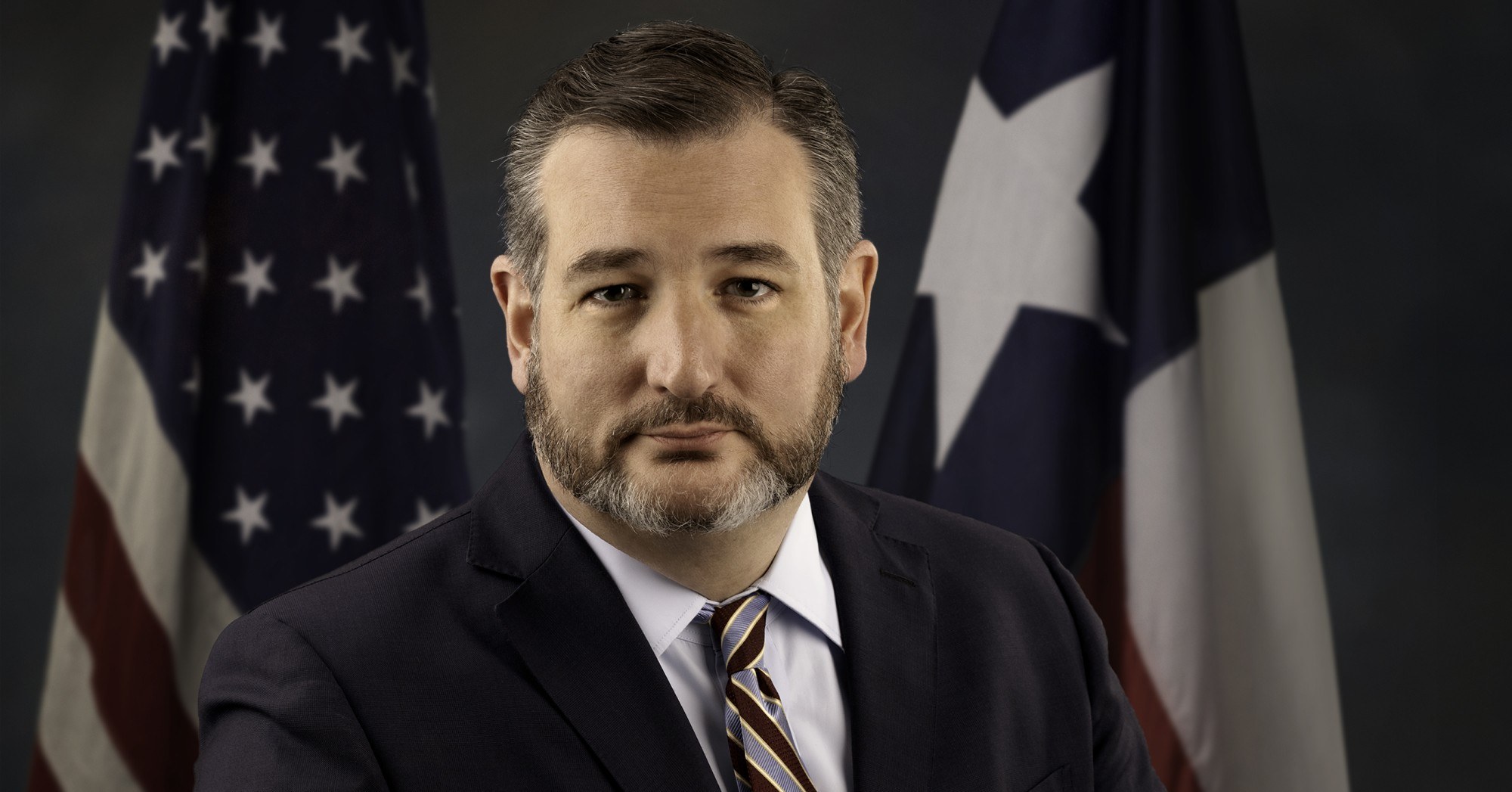
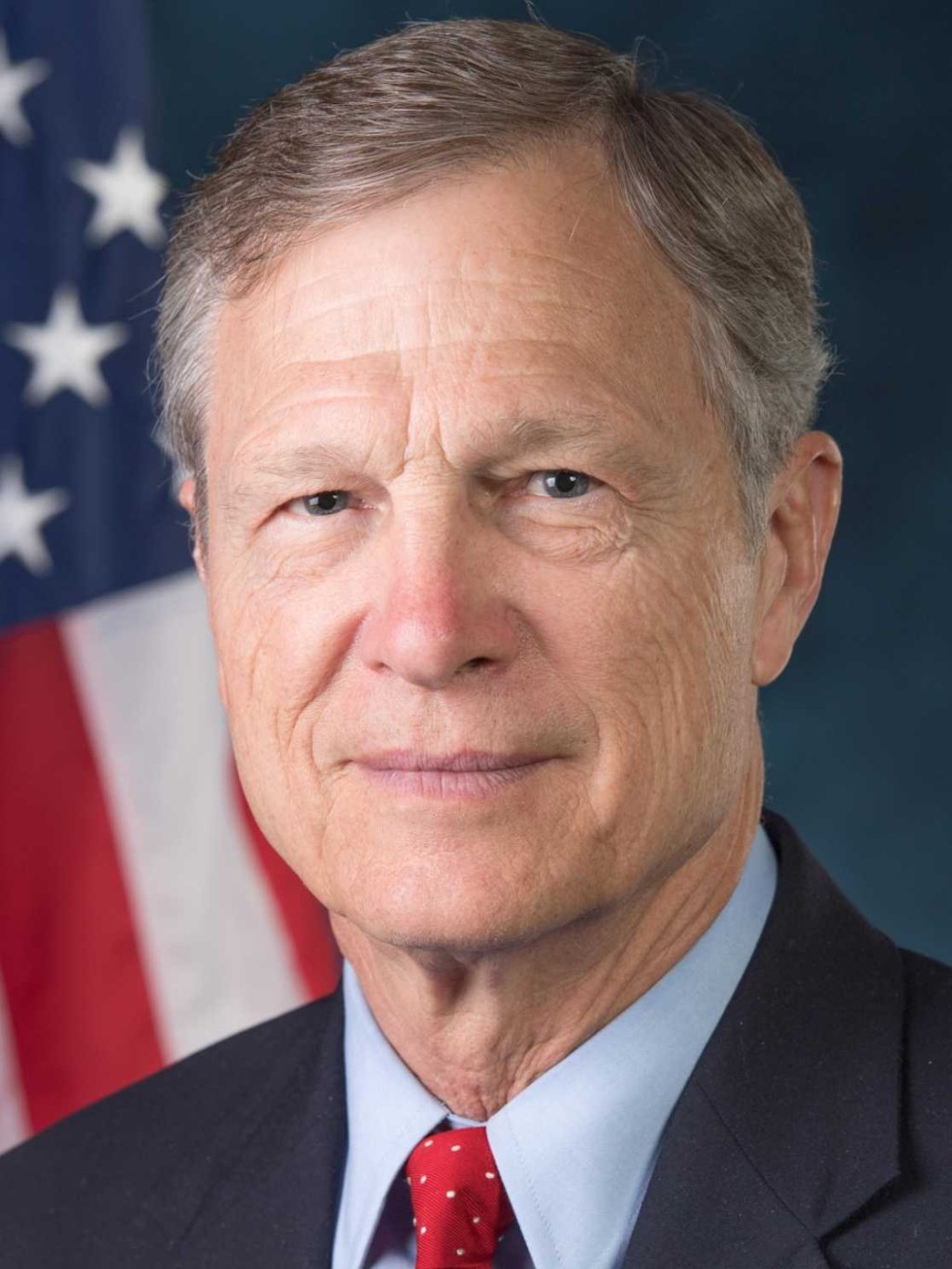
Top image: Sen. Ted Cruz, R-Texas, chairman of the Senate Commerce, Science and Transportation Committee. Photo: U.S. Senate Photographic Studio (public domain) via Wikimedia Commons
ANALYSIS | The lame-duck AI agenda
When Congress returns after Tuesday’s election, the two committees that write most federal technology law will face the same unfinished question they left behind in September: whether, and how, Washington should set rules for the most powerful artificial intelligence models, and whether those rules should displace state laws such as California’s.
The administration’s position is clear and comes first. In March, the White House released a national AI legislative framework and asked Congress to turn it into a bill the president can sign. The framework’s closing argument is about uniformity: “A patchwork of conflicting state laws would undermine American innovation and our ability to lead in the global AI race.” The framework also asks for parental controls for minors, protections against data-center costs falling on ratepayers, faster permitting for on-site power and “guardrails” against AI being used to censor lawful speech. On Sept. 29, President Trump hosted AI executives at the White House. Asked why they should be trusted to regulate themselves, he answered, “Because they’re outstanding people,” Roll Call reported. The companies signed a “Joint Commitment on Frontier Responsibilities,” which said “over time, it may make sense to codify these steps into laws or regulations.”
Congressional critics, mostly Democrats, argue that voluntary commitments are not enough. What follows is a guide to the four proposals in play.
1. The Senate Commerce draft: Cruz, Thune and Klobuchar
Senate Commerce Chairman Ted Cruz, R-Texas, Majority Leader John Thune, R-S.D., and Sen. Amy Klobuchar, D-Minn., spent the summer negotiating a frontier-safety bill. Its text has not been published or introduced. Cruz told Semafor on Sept. 29 that “we don’t yet have bipartisan agreement on that bill, so at this point, any markup would have to be during a lame duck. I’m frustrated by that.” Klobuchar said she hoped to “pass strong safeguards” by year’s end and blamed the president, saying his “opposition to common-sense, bipartisan guardrails has complicated the negotiations.”
As reported and summarized by the nonpartisan AI Policy Landscape tracker, the draft would:
- Impose a legal “duty of care” on frontier developers to manage catastrophic risks, defined to include cyberattacks, biological and nuclear weapons and loss of control.
- Require developers to test their own models and present the results to the Commerce secretary.
- Allow the Commerce Department to ask a federal court to block the release of a model whose developer failed those obligations, with companies able to challenge the decision.
- Preempt state laws on the same catastrophic risks. The scope of this provision is contested.
Two terms need defining. A “frontier model” is one of the largest, most capable general-purpose AI systems, the kind built by a handful of companies, several of them headquartered in the Bay Area. “Preemption” means a federal law overrides state laws in the same field. Here, that would likely reach parts of California’s SB 53, the 2025 frontier-AI transparency law signed by Gov. Gavin Newsom.
2. Cantwell’s framework
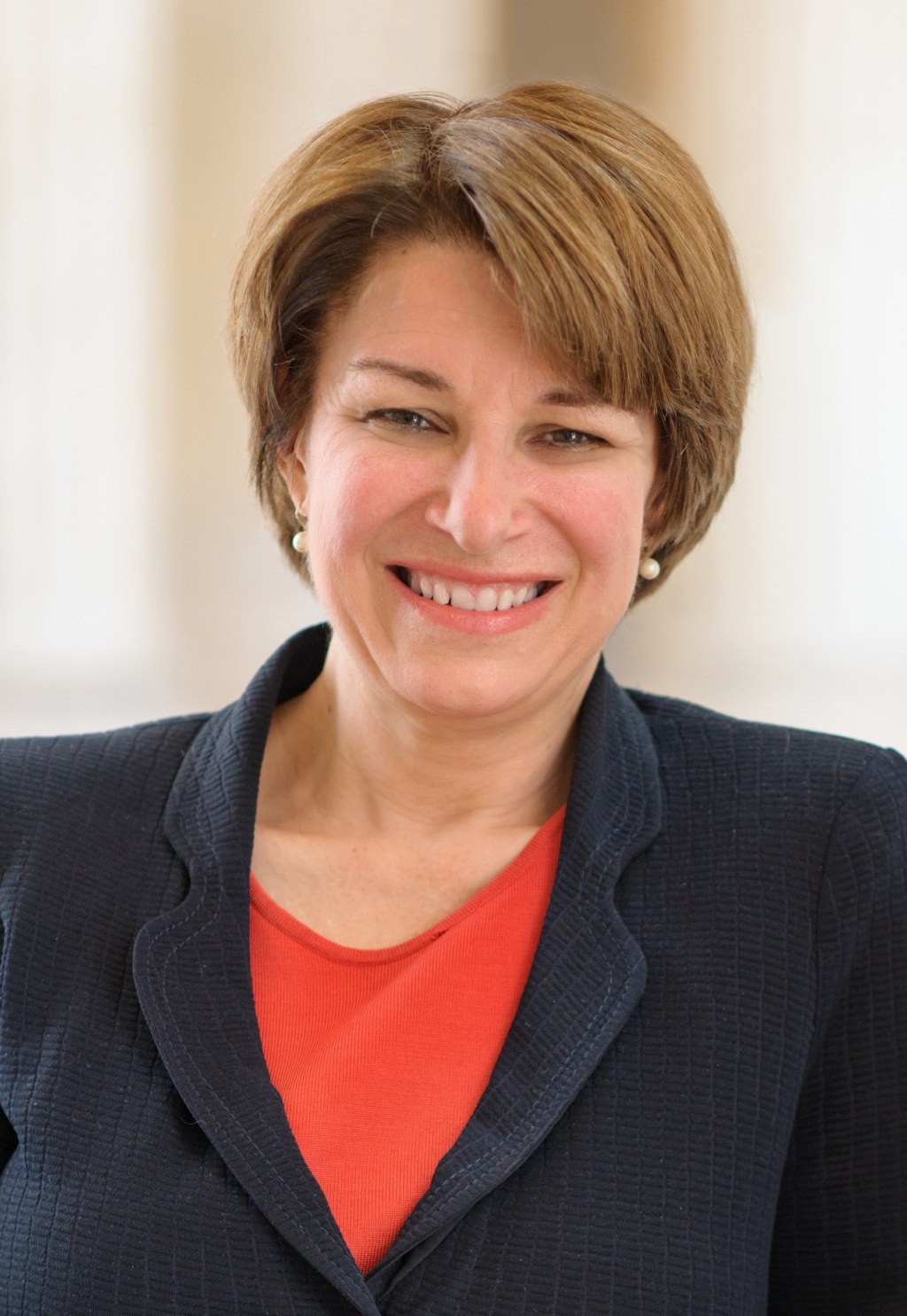
Sen. Maria Cantwell, D-Wash., the committee’s ranking Democrat, released her own six-principle framework on Oct. 7. Its central difference from the Cruz draft is about who does the testing. Under Cantwell’s version, the National Institute of Standards and Technology (NIST) would write “clear, transparent, enforceable safety standards.” It also says “covered models should not be released until they have undergone an independent audit confirming that they meet these safeguards and standards.” She compares the audits to outside accountants examining a public company’s financial statements. The framework also calls for incident reporting, whistleblower protections and a U.S.-China “red phone” for AI emergencies. It does not address preemption. The AI Policy Landscape tracker reports that she has opposed the Cruz draft’s version.
The Chronicle wrote last week about how Anthropic’s IPO filing puts these two models side by side.
3. The Democrats’ safety board, blocked on the floor
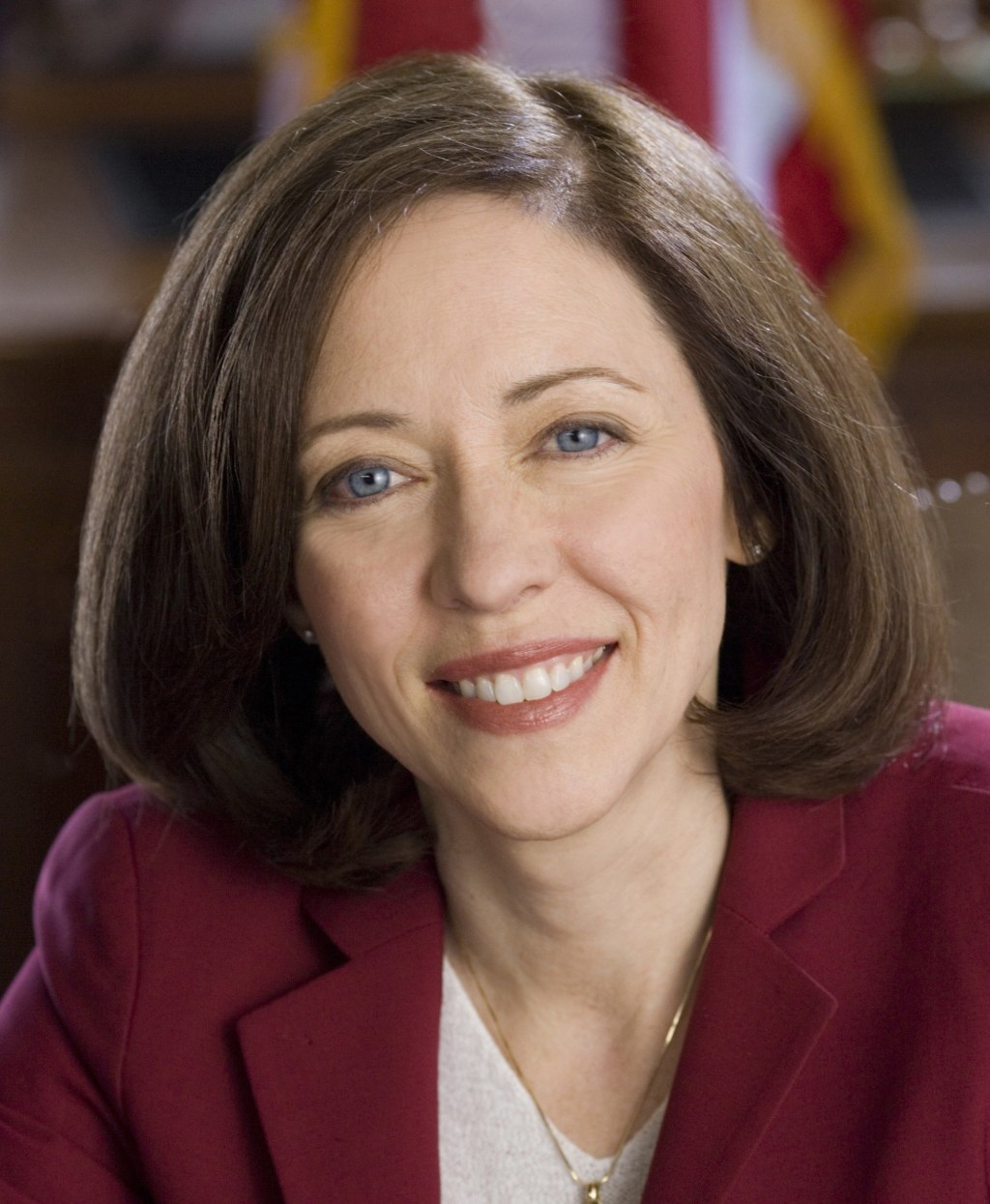
On Sept. 29, Sen. Mark Warner, D-Va., asked for unanimous consent to pass a bill with Sens. Brian Schatz, D-Hawaii, and Andy Kim, D-N.J. It would create an AI Safety Board within the Commerce Department. According to Roll Call, frontier developers would have to give the board access to new models at least 45 days before release, and report safety incidents within 30 days, or within 72 hours if an incident poses an imminent national-security threat.
Cruz objected. He said the bill would put too much authority in the hands of the board and the Commerce Department, and that he would prefer a role for “independent judges.” “Congress must not legislate on the issue of artificial intelligence hastily or in a closed manner,” he said, adding that “federal standards on advanced AI must also address the burgeoning patchwork of state laws.” Schatz countered on the floor: “Do we trust… that companies that are rolling toward the biggest IPOs in human history will voluntarily regulate themselves?” He told reporters that, absent a catastrophic event before the election, Congress should take up the issue in the lame duck.
4. The House: the FRONTIER Act
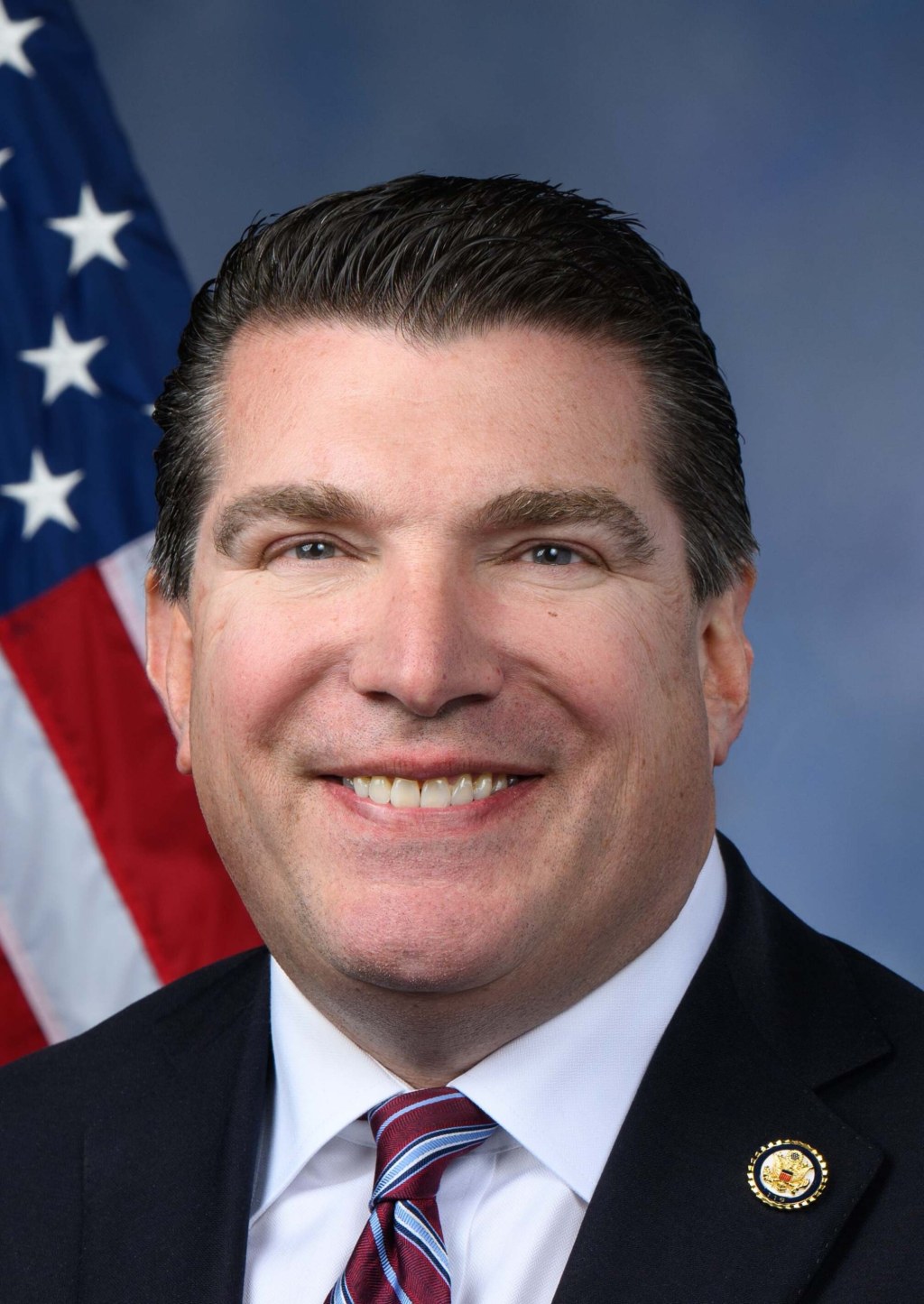
On the House side, Rep. Jay Obernolte, R-Calif., who chairs the Science Committee’s research and technology subcommittee, and Rep. Lori Trahan, D-Mass., introduced the FRONTIER Act (H.R. 9925) on July 23. It grew out of a broader “Great American AI Act” discussion draft released in June. The bill sets tiered requirements based on developer size: model cards (standardized disclosures about how a model was built and tested), risk-management frameworks, independent audits and incident reporting. It also creates what Obernolte’s office calls “a uniform national standard for transparency, auditing, and reporting of catastrophic risk to prevent a patchwork of state regulations.”
Its co-sponsors include Rep. Scott Peters, D-San Diego. “I supported Representatives Trahan and Obernolte’s initial draft so we could develop a better bill,” Peters said. Rep. Suhas Subramanyam, D-Va., called the bill “while not perfect, … an important, bipartisan step in the right direction.” The full committee is chaired by Rep. Brian Babin, R-Texas.
What the Bay Area has at stake
The proposals differ most on preemption. California’s SB 53 already requires large developers to publish safety frameworks and report critical incidents to the state. A federal law with strong preemption would replace parts of it. A federal law without preemption would add a second layer of rules.
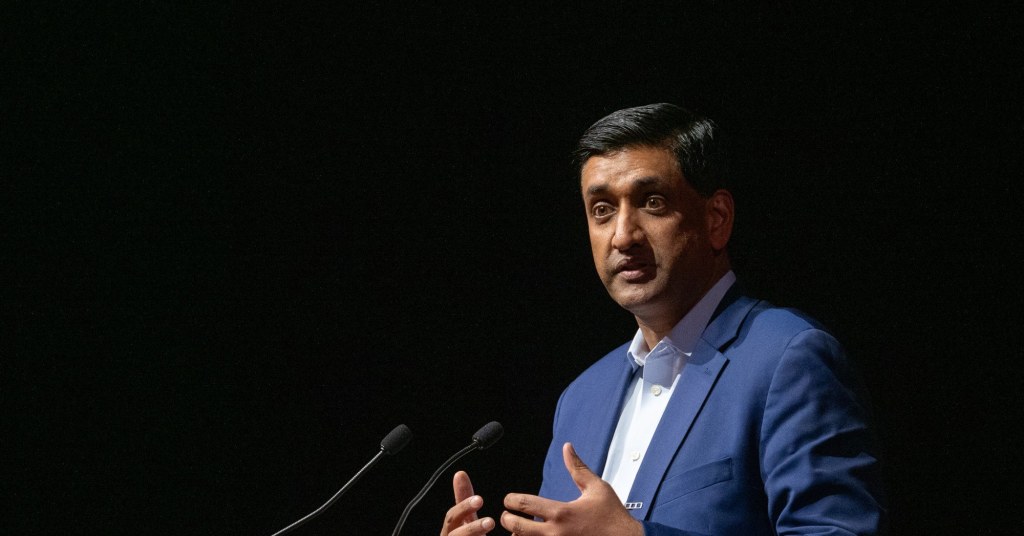
Bay Area members have been active from the minority side. Rep. Zoe Lofgren, D-San Jose, the Science Committee’s ranking Democrat, set a Nov. 6 deadline for the Commerce and Energy departments to answer oversight requests. With Reps. Frank Pallone and Jamie Raskin, she asked frontier labs to report safety incidents to Congress within 48 hours. Roll Call reported that Rep. Ro Khanna, D-Fremont, ranking member of the House select committee on China, wrote Sept. 28 to Director of National Intelligence Jay Clayton requesting an official assessment of how the government “would respond to a loss of control scenario.”
The calendar problem
The lame duck runs from mid-November until the new Congress is sworn in on Jan. 3. It already has to deal with government funding and the annual defense authorization bill. The DC/ai Decoded newsletter, written by policy analyst Stacey Rolland, concluded in early October that “AI legislation is unlikely to pass this year.” Any bill that doesn’t pass by Jan. 3 dies and must be reintroduced. Tuesday’s results will decide who chairs Commerce and Science when that happens.
The long view
For three years, Washington’s AI debate has swung between two instincts: let the industry move fast and keep states from getting in the way, or set enforceable federal safety rules before something goes wrong. All four proposals now on the table accept that some federal rules are coming. They disagree about who tests the models, who can stop a release, and whether Sacramento keeps a say. Those questions are likely to determine how much of the regulation of Bay Area AI companies over the next decade is written in Washington and how much in California.
Sources
- The White House, National AI Legislative Framework release, March 20, 2026 and legislative recommendations (PDF)
- Semafor, “Bipartisan AI safety talks stall out in Senate,” Sept. 29, 2026
- Roll Call, “Congress continues back-seat role as AI execs feted at White House,” Sept. 29, 2026
- Senate Commerce Committee Democrats, Cantwell framework, Oct. 7, 2026
- Office of Rep. Jay Obernolte, FRONTIER Act release, July 23, 2026
- Congress.gov, H.R. 9925 text
- Office of Rep. Lori Trahan, discussion draft release
- AI Policy Landscape, Thune-Klobuchar-Cruz proposal summary
- DC/ai Decoded, Oct. 5, 2026



Leave a Reply