
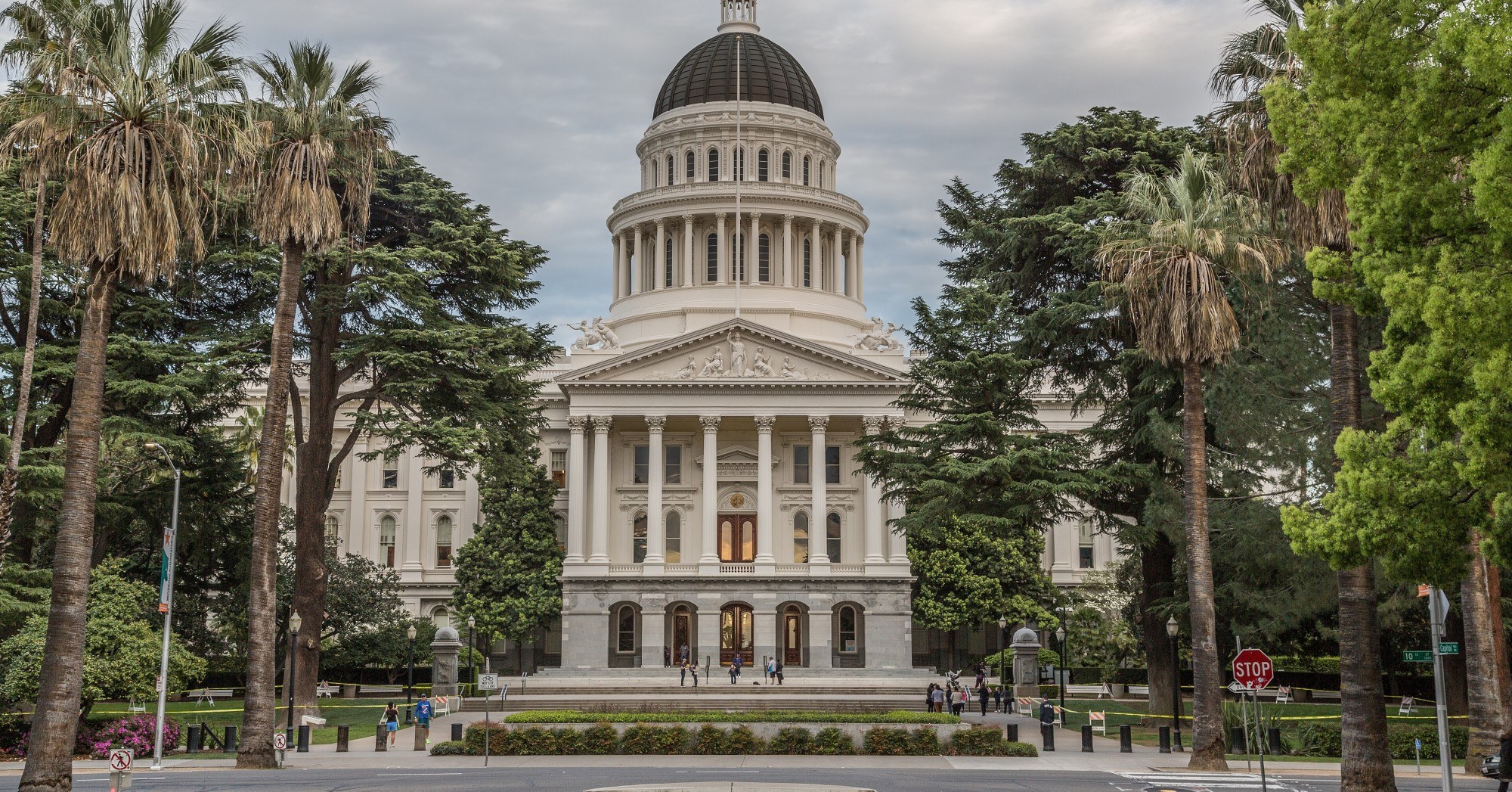
Top image: The California State Capitol in Sacramento. Proposition 40 would have amended the state constitution to impose a one-time tax on billionaire wealth. Photo: Tony Webster from Minneapolis, Minnesota, United States / CC BY-SA 2.0 via Wikimedia Commons
California voters have rejected Proposition 40, the proposed one-time 5% tax on the wealth of residents worth more than $1 billion. The Associated Press called the race Monday evening, nearly a week after Election Day, with about 53% voting no, the Los Angeles Times reported. As of Monday night, the tally stood at roughly 5.91 million no votes to 5.29 million yes, according to Secretary of State figures cited by The San Francisco Standard.
Silicon Valley helped decide it. In Santa Clara County, Prop. 40 was failing 53.4% to 46.6%, or 273,972 votes to 238,624, in county returns compiled by The Ballot Book after Monday’s update. In San Mateo County it was failing 54.1% to 45.9%, according to the same compilation. San Francisco went the other way, backing the measure by about 56% to 44%, the Standard reported, and the Times reported major pockets of support in Los Angeles.
What it would have done
Prop. 40 would have taxed individuals and trusts with net worth over $1 billion as of Jan. 1, 2026. It was sponsored by the health care union SEIU-United Healthcare Workers West, with most of the money going to health care and the rest to education and food assistance, The Guardian reported. Supporters said it was needed to offset federal health care funding cuts enacted by Congress in 2025, The Sacramento Bee reported. The union projected about $100 billion in revenue. Economists at Stanford’s Hoover Institution estimated it would collect about $30 billion while costing the state $39 billion in lost income-tax revenue over time as billionaires left, the Standard reported.
The money
The fight over Prop. 40 and two countermeasures cost more than $400 million, with more than 90% spent against the billionaire tax, the Times reported, citing state disclosures. The main opposition committee, Building a Better California, raised $333.1 million this year, and Google co-founder Sergey Brin gave it $102 million, ABC News reported. The Guardian, counting across filings, put Brin’s total at “at least $132m.” ABC found that donors in Redwood City gave the committee $34.7 million. The largest share came from Brin, whose address it listed as Reno, Nevada. The Times reported that Brin and fellow co-founder Larry Page moved out of California because of the proposal.
The opposition was broader than billionaires. Gov. Gavin Newsom, Governor-elect Xavier Becerra, the California Teachers Association and Planned Parenthood Affiliates of California opposed it. So did a coalition led by the California Medical Association, which called the measure “a reckless experiment” and said it “risked California’s economic competitiveness and fiscal stability.”
Khanna’s next move
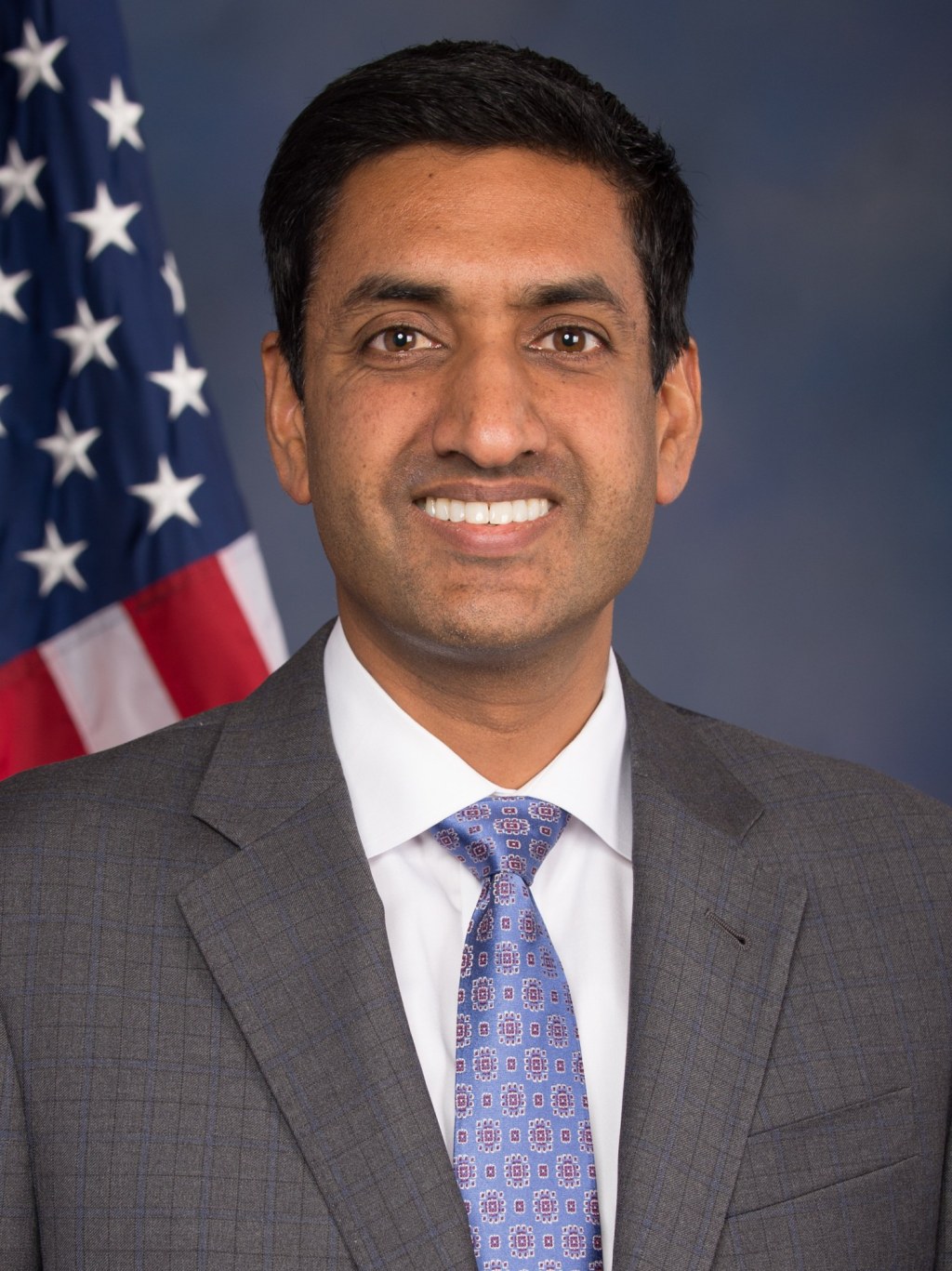
Rep. Ro Khanna of Fremont, who has made taxing extreme wealth a defining cause, was among Prop. 40’s most prominent champions, alongside Sen. Bernie Sanders. Both argued it could set an example for a national wealth tax, ABC reported. Khanna framed the vote as a test of his party’s direction. “Are we going to be a party for the working class? Are we going to be beholden to our donors?” he told ABC in October, describing himself and Newsom as “polar opposites” on the issue. Both men have openly discussed a 2028 presidential bid, ABC noted, and Khanna, just reelected with 71% and the focus of a new “Run Ro” draft committee, is a likely contender for the 2028 Democratic presidential nomination.
His focus now shifts to Washington. Khanna and Sanders introduced the “Make Billionaires Pay Their Fair Share Act” earlier this year to impose a federal 5% tax on American billionaires, the Times reported, and Democrats won control of both chambers last week. The Times noted the bill would probably face constitutional challenges if it passed. The union isn’t done either. SEIU-UHW chief of staff Suzanne Jimenez said “the truth will become increasingly difficult to hide” as hospitals cut services, and the union has vowed to return in 2028.
Props. 41, 42 and 43
Opponents also placed two countermeasures on the ballot. Prop. 41 failed, and the AP called it Saturday. Prop. 42, a constitutional ban on new state taxes on personal property and certain retroactive taxes, led statewide with about 52% Monday morning but had not been called, the Bee reported. In Santa Clara County, Prop. 42 had 254,042 yes votes and 253,963 no votes, a 79-vote gap, in the Ballot Book’s compilation. San Mateo County was voting against it 52.5% to 47.5%. Prop. 43, which would have required a two-thirds vote for certain local special taxes, was defeated.

The county’s numbers will still move. The Santa Clara County Registrar of Voters lists its next results posting for Tuesday by 5 p.m. on its results page, and the Chronicle’s Sunday count update tracks the local races still open.
The long view
Silicon Valley’s no vote, measured against San Francisco’s yes, says something about where the region’s wealth lives and how it thinks. Fortune noted that founders feared the tax’s treatment of privately held stock could force them to sell control of their companies, a worry that reaches well beyond the roughly 200 billionaires who would have paid. The defeat settles California’s version for now, not the argument. With Democrats taking Congress, Khanna’s federal bill and a promised 2028 rematch keep wealth taxation on the agenda, while Prop. 42’s final count will decide whether the state constitution closes the door on it. For a region about to mint new fortunes from AI public offerings, that is not an abstract question.
Sources
- Los Angeles Times, “Billionaire tax rejected,” Nov. 9, 2026
- The San Francisco Standard, “California voters reject billionaire tax,” Nov. 9, 2026
- ABC News, “California’s Prop 40 ‘billionaires’ tax’ measure is rejected, AP projects,” Nov. 10, 2026
- The Guardian, “California voters fail to pass proposed one-time tax on billionaires’ wealth,” Nov. 9, 2026
- The Sacramento Bee, statewide proposition tracker, Nov. 9, 2026
- The Ballot Book, Santa Clara County results and San Mateo County results (unofficial)
- Fortune, “Voters in Silicon Valley rejected the billionaire wealth tax,” Nov. 6, 2026



Leave a Reply