
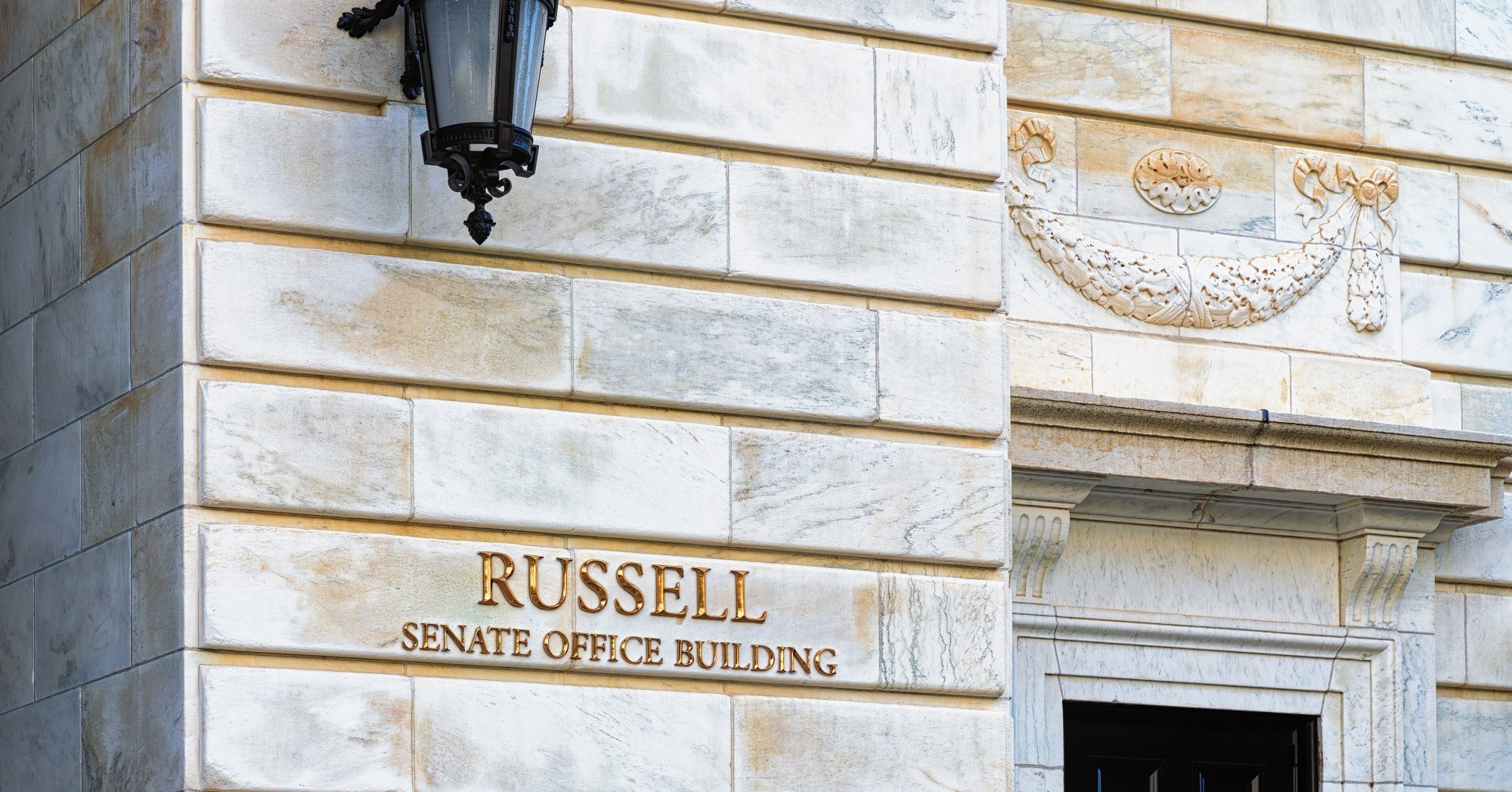
Top image: The Russell Senate Office Building in Washington, where the Senate Commerce Committee heard four Trump nominees on Nov. 10. Photo: Tony Webster / CC BY 2.0 via Wikimedia Commons
The Senate Commerce, Science and Transportation Committee on Tuesday, Nov. 10, questioned President Donald Trump’s nominee for an open seat on the Federal Communications Commission. The agency licenses broadcasters and runs the federal subsidy programs that wire schools and libraries. The nominee, Danielle Thumann Severs, currently serves as senior counsel to FCC Chairman Brendan Carr. She made a specific commitment to Committee Chairman Ted Cruz on free speech, and Democrats objected to how her nomination reached the panel.
Three other nominees testified at the same 71-minute hearing, according to Hearing Highlights: Joshua Shoemaker, nominated as NASA’s chief financial officer; Robert Steinau, nominated as NASA’s inspector general; and Leslie Becera, nominated as assistant secretary for governmental affairs at the Department of Transportation. The committee took no votes.
Cruz’s question and the nominee’s answer
Cruz, R-Texas, opened the free-speech portion by stating the principle he wanted the nominee to accept. “The First Amendment places important limits on the government’s ability to regulate speech,” he said, as reported by Roll Call. “The FCC possesses significant regulatory authority over communications, so there is always a risk that it could weaponize its authority against Americans with whom it disagrees.”
Cruz cited the Carr FCC’s call for early license renewals at ABC-owned stations, noting that ABC calls the review retaliation. He also said that in Democratic administrations, “the FCC has previously used its public interest standard as a weapon against conservatives,” Ars Technica reported.
He then asked whether she would commit “to basing licensing decisions on the law and the record and to not using the FCC’s authority to pressure or punish a broadcaster for protected speech.” Thumann Severs answered, “Yes.” She also said she supports the JAWBONE Act, a bill from Cruz and Sen. Ron Wyden, D-Ore., that would allow lawsuits against federal officials who try to coerce broadcasters or platforms into restricting speech. “I think it’s incredibly important that federal officials not use their position… to coerce against protected speech,” she said.
Asked about Carr’s 2025 comments to ABC over Jimmy Kimmel, she said: “Those were his words. They were not my words, and I have not advised him or worked with the chairman on these particular issues.” According to Ars Technica, Cruz is trying to win her confirmation before Republicans give up the Senate majority in January.
Democrats: pair her with a Democrat
The FCC has five seats, and by law no party may hold more than three. It currently has two Republicans, Carr and Olivia Trusty, and one Democrat, Anna Gomez, who is serving on an expired term.
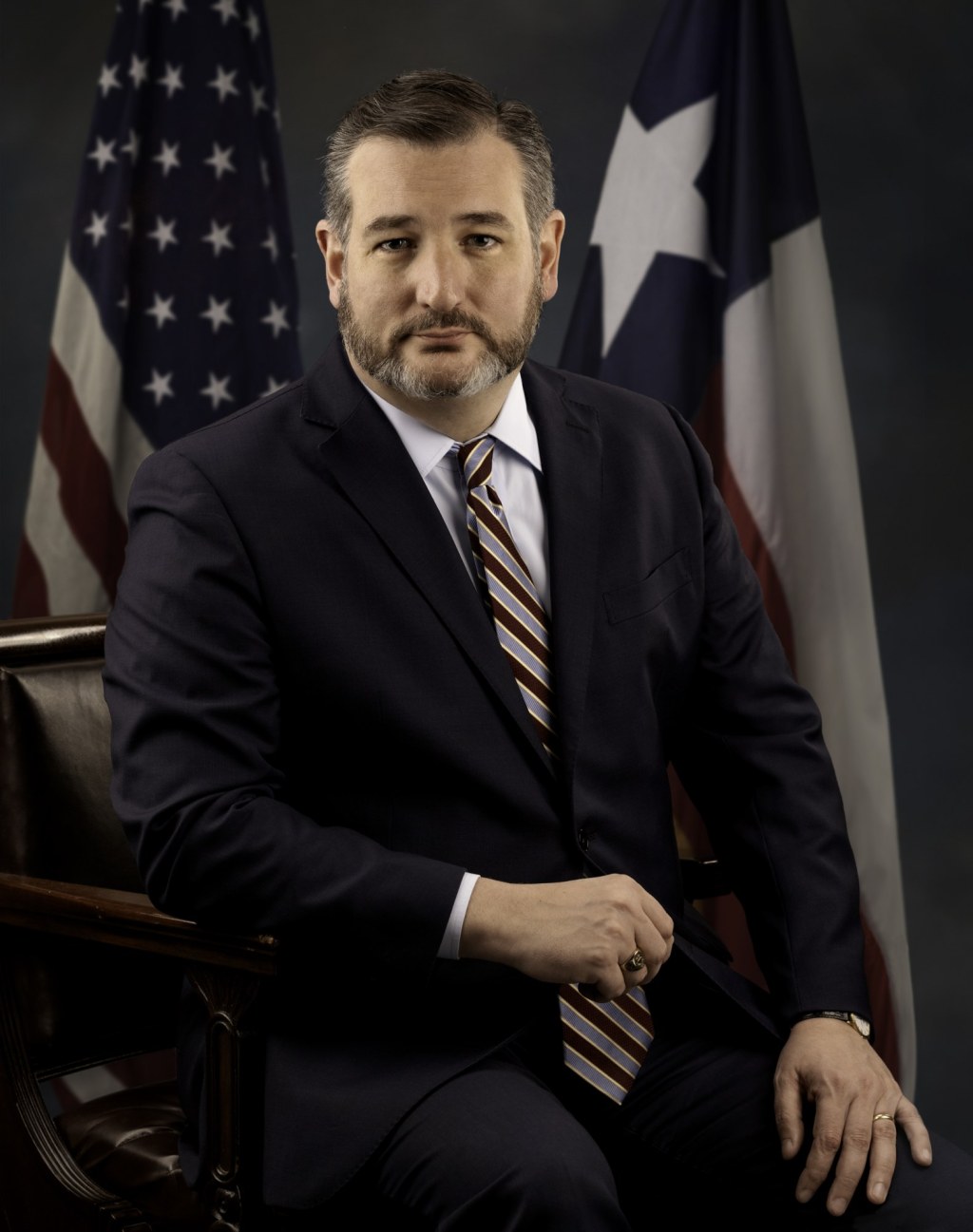
Sen. John Hickenlooper, D-Colo., said in his opening statement that “for many decades, the Senate has paired Commission nominees, a Republican and a Democrat, moving together,” and urged the renomination of Gomez. He warned that “thanks to the Supreme Court’s recent decision in Slaughter, if today’s nominee is confirmed, President Trump could then fire Commissioner Gomez and have an FCC with no Democratic voice at all.”
Sen. Ed Markey, D-Mass., argued there was “no justification for this committee to advance partisan nominees during the lame-duck period.” Sen. Ben Ray Luján, D-N.M., said Carr would be called before Congress “once a month, if not more” once Democrats hold the gavels. Earlier, House Energy and Commerce Democrats led by Rep. Doris Matsui of Sacramento sent a letter asking the Senate to pair any Republican nominee with Gomez’s renomination.
E-Rate: ‘I can’t prejudge’
Democrats also pressed the nominee on E-Rate, a roughly $2 billion-a-year program that discounts internet service for schools and libraries. Carr has proposed scaling it back or eliminating it. Thumann Severs said the program has been successful and that the FCC has a statutory obligation to provide discounted service. She said she helped draft the agency’s pending proposal, but “I can’t prejudge the open proceeding.” Sen. Tammy Duckworth, D-Ill., said Congress never directed the FCC to end it.
The NASA nominees
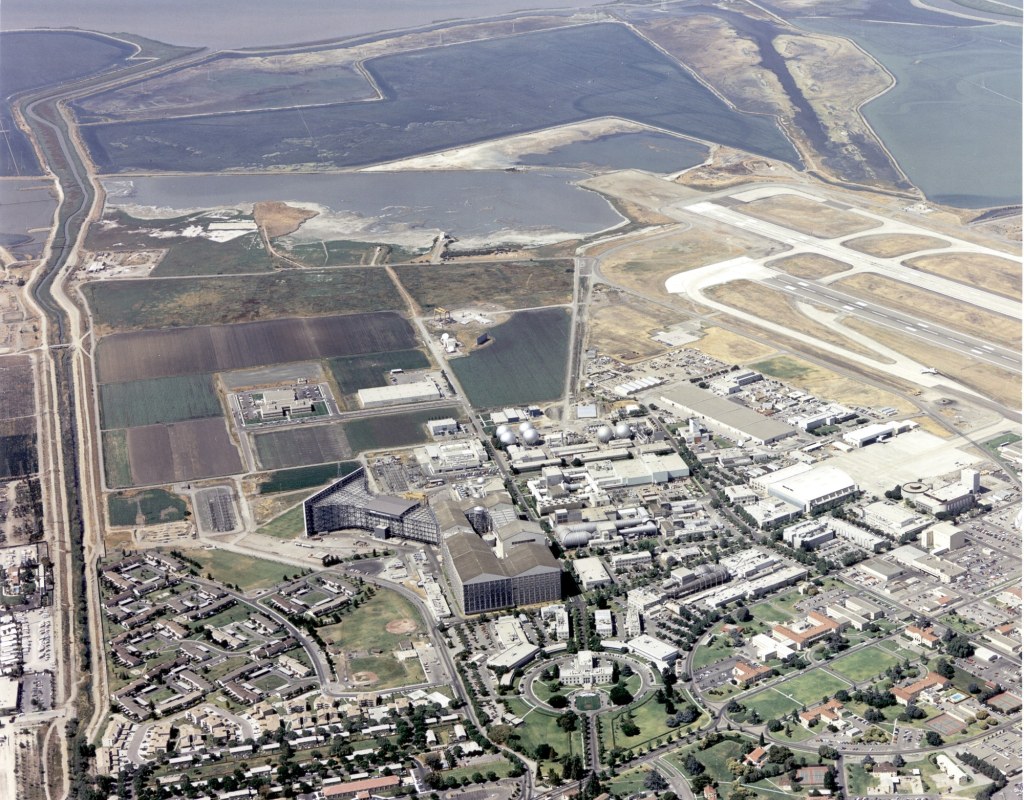
The two NASA posts would oversee the agency’s books and its internal audits. That reaches the South Bay through NASA Ames Research Center at Moffett Field in Mountain View. Hickenlooper noted that “NASA lost roughly 22 percent of its workforce in 2025,” and he asked how the nominees would protect safety and mission assurance.
What happens next
Senators must submit written questions by close of business Thursday, Nov. 12, and nominees must answer by Nov. 16, Hearing Highlights reported. As of Tuesday the committee had not announced a markup, according to Roll Call. The hearing record is posted on Congress.gov.
The long view
The fight over the nomination is mostly about the FCC’s partisan balance. Who controls it will shape decisions that reach Silicon Valley directly, from spectrum for wireless and satellite networks to subsidy programs and the rules for broadcast and media deals. Cruz has framed the question as one of protecting speech from regulators of either party, and he got the commitment he asked for on the record. Democrats, who take the Senate majority in January, have made clear they intend to keep questioning Carr and the agency’s direction. That means whoever fills this seat will face close oversight from the start.
Sources
- Roll Call, “Threats to broadcasters hang over FCC nominee hearing,” Nov. 10, 2026
- Ars Technica, “Democrats oppose plan to stack FCC with Republicans, plan probes of Chairman Carr,” Nov. 10, 2026
- Senate Commerce Committee (Democrats), Hickenlooper opening statement, Nov. 10, 2026
- Hearing Highlights, hearing summary and witness list, Nov. 10, 2026
- Congress.gov, committee event record
- The Guardian, “Trump’s FCC nominee avoids questions from Democrats on Carr’s ‘censorship agenda’,” Nov. 10, 2026


Leave a Reply