
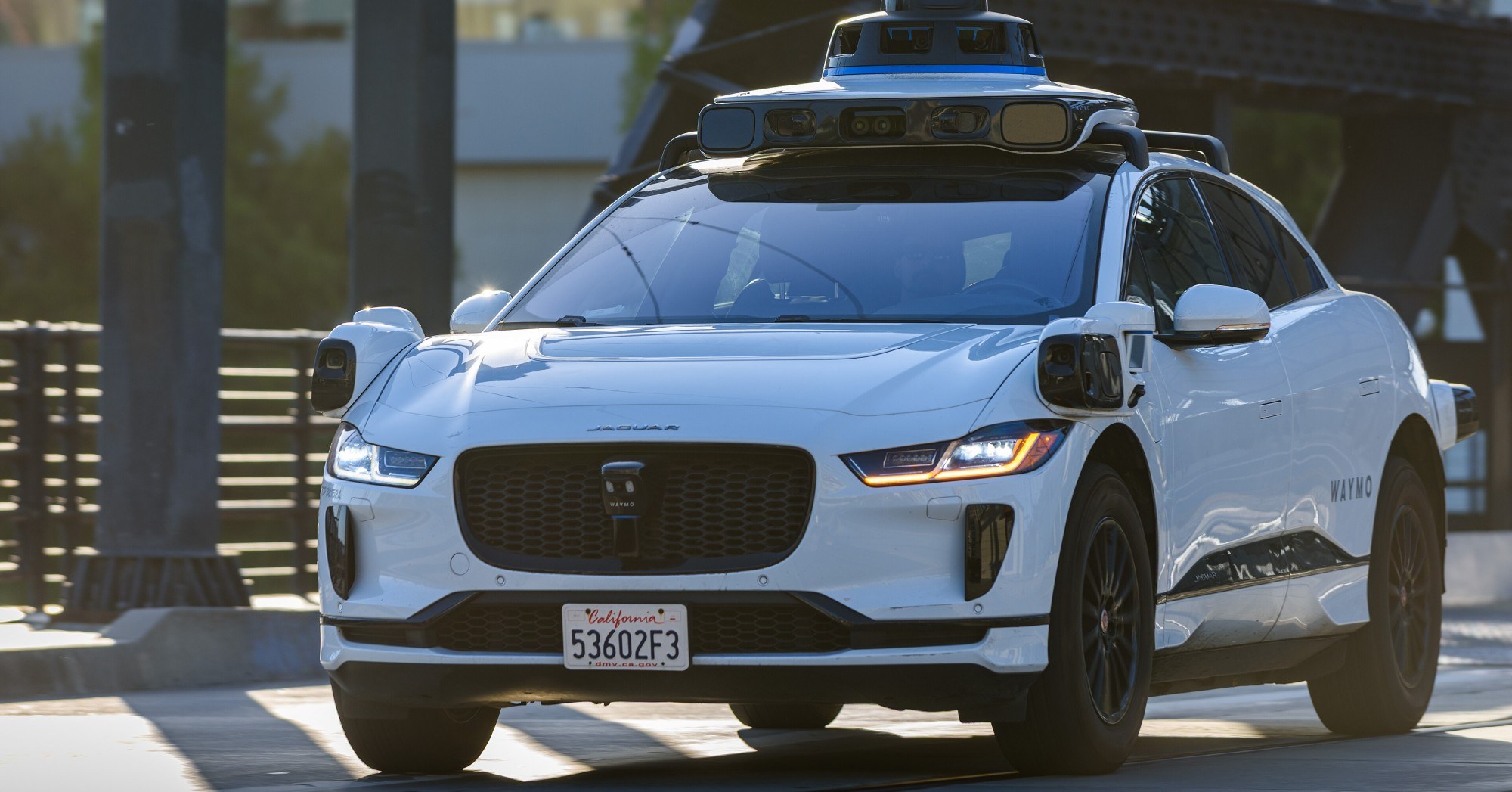
Top image: A Waymo Jaguar I-Pace in San Francisco in May 2025. Waymo says its Bay Area service area now covers about 350 square miles. Photo: 9yz / CC BY 4.0 via Wikimedia Commons
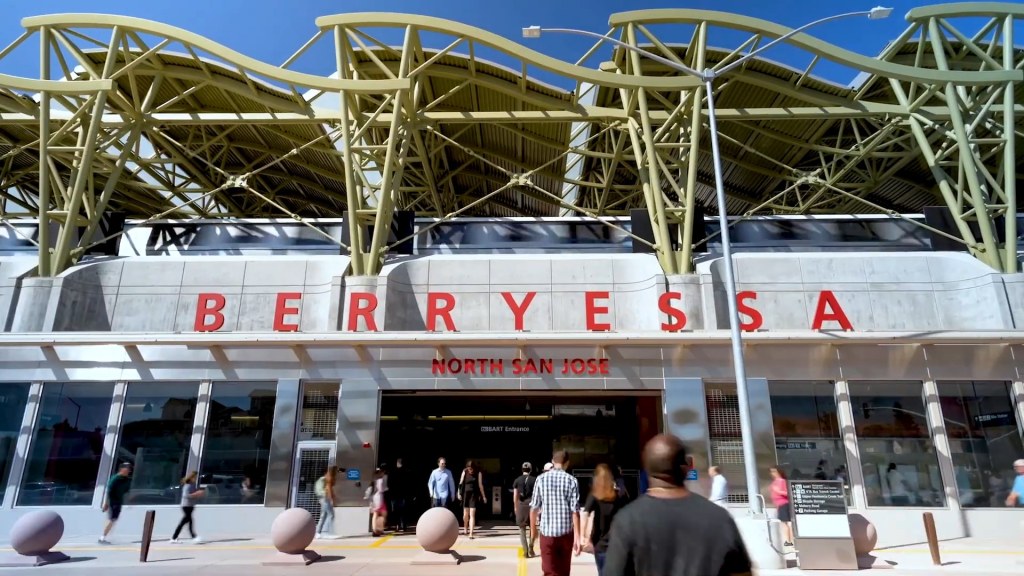
Commuters getting off BART at Berryessa can now hail a car with no one in the driver’s seat. On Nov. 3 Waymo extended its driverless ride-hailing service to the Berryessa Transit Center in East San Jose, the Great Mall in Milpitas and the San Jose Fairgrounds, along with more neighborhoods in Los Gatos and Monte Sereno, San José Spotlight reported. Company representatives said the change brings Waymo’s Bay Area service area to 350 square miles.
The expansion was previewed on Oct. 27, when Waymo said on its blog that its Bay Area map would grow “to more areas in the south,” including a BART connection at Berryessa. It was part of a larger push into five metro areas that day, Electrek reported.
What it means for riders
The new areas join places Waymo already serves in the South Bay, according to San José Spotlight:
- San Jose Mineta International Airport
- Santana Row and Westfield Valley Fair
- Willow Glen, Rosemary Gardens, Newhall, College Park, Cory and Vista Park
- Campbell and Cupertino
Riders who pair a Waymo trip with a VTA bus or light-rail ride within two hours get $2.85 in credits, under a Waymo rewards program described by San José Spotlight. A Waymo representative framed the move as a “last mile” fix. “Waymo wants to be a good partner and to help public transit thrive,” the representative said.
VTA welcomed the option but has no plans to coordinate with the company. VTA spokesperson Stacey Ross told the outlet that anything that makes it easier for people to get to or from public transit “is a help,” adding, “That’s a positive.” Commuters interviewed at the station were split. Some said they would ride if the cars proved safe, and others said they preferred a human driver or worried about lost driving jobs.
The federal review
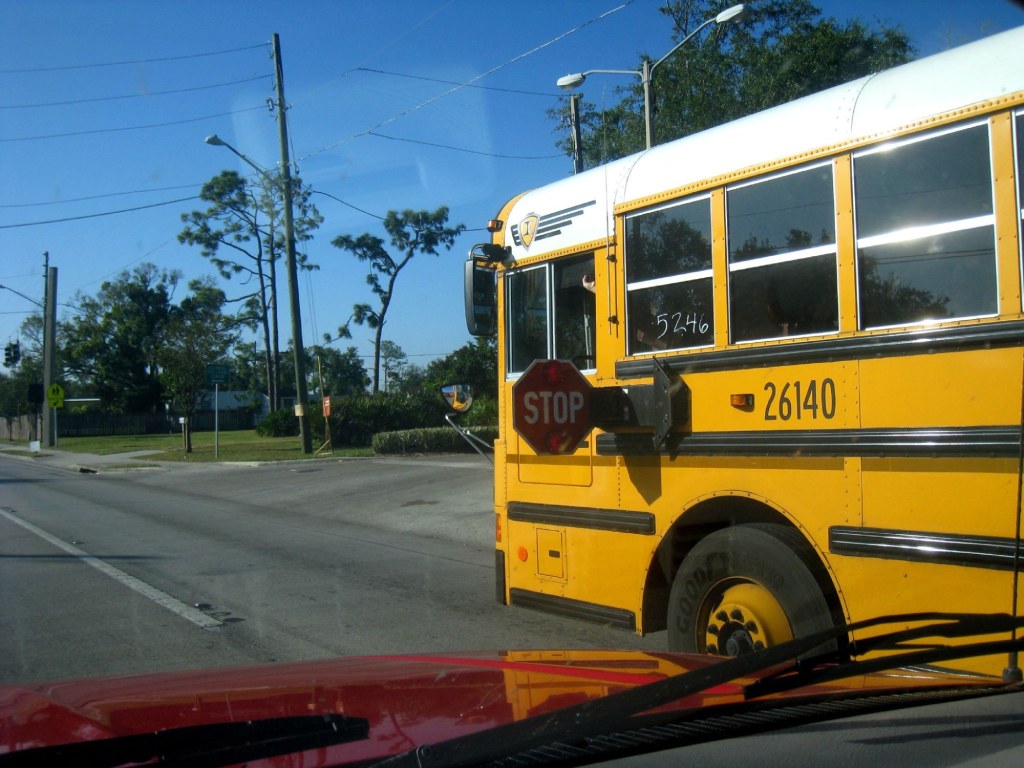
Three days after the expansion, federal regulators opened a new review of Waymo’s driving around school buses. On Nov. 6 the National Highway Traffic Safety Administration opened recall query RQ26006, covering 2,895 Waymo vehicles. A recall query is a formal check on whether a recall actually fixed the defect it targeted. The review examines a software recall Waymo filed after earlier reports of its robotaxis passing stopped school buses with red lights flashing and stop arms out. NHTSA’s filing says “a majority of incidents occurred after the … remedy date” in November 2025, Engadget reported, and the agency wants to “identify the causes of the conditions leading to the post-remedy reports.”
The earlier incidents were documented in Atlanta and Austin, Texas. TechCrunch reported that the robotaxis kept passing buses after the fix. None of the cited incidents was in the South Bay.
Waymo said it takes the issue seriously. “Safety is central to Waymo’s mission, and operating safely around school buses is a responsibility we take seriously,” a spokesperson told Engadget. The spokesperson added that the company has received no citations since March 2026 and will respond to NHTSA’s query. Separately, the National Transportation Safety Board is investigating Waymo’s behavior around school buses. NHTSA is also examining a January crash in which a Waymo vehicle struck a 9-year-old in a Santa Monica school zone. The child had minor injuries, San José Spotlight reported.
The Chronicle did not contact Waymo for this story. The company’s statements above come from the cited reports.
What to watch
As Waymo’s South Bay footprint grows, the outcome of NHTSA’s review matters for local families. A recall query can close without action or lead to further remedies. The agency has not announced a timeline. Anyone who sees a vehicle pass a stopped school bus can report a safety problem to NHTSA.
The long view
For years VTA and BART have struggled with the “last mile,” the gap between a station and a rider’s actual destination. Waymo is offering to fill that gap with private cars and a small transit credit, without any formal agreement with the agencies that run the trains and buses. If enough riders take it up, the Berryessa connection could bring more people to BART’s southern end. It could also pull short trips away from VTA buses. Either way, the region is expanding driverless service while the federal safety record is still being written, and NHTSA’s school-bus review will be an early test of how regulators handle software that changes after it is on the road.
Sources
- San José Spotlight, “Waymo expands further into South Bay,” Nov. 10, 2026
- Waymo blog, “More places,” Oct. 27, 2026
- Electrek, Waymo adds nearly 250 square miles of coverage, Oct. 27, 2026
- NHTSA recall query RQ26006 summary (via vehicle-recall.com)
- Engadget, “NHTSA investigates if Waymo robotaxis are still running school bus stop signs,” Nov. 9, 2026
- TechCrunch, “Waymo robotaxis kept illegally passing school buses after software fix, feds say,” Nov. 9, 2026


Leave a Reply