

Top image: An Equinix data center campus in Silicon Valley, 2026. Photo: Equinix, Inc. / CC BY-SA 4.0 via Wikimedia Commons
There’s a reason the people bankrolling Proposition 45 call it the “Building an Affordable California Act” and not what it is: a rewrite of the California Environmental Quality Act so sweeping that UC Berkeley climate-law expert Ethan Elkind calls it “a sea change.” Strip away the affordability branding and what’s left is a gift to the people who want to build big, build fast and never have to answer to the neighbors. Voters should reject it on Nov. 3.
CEQA isn’t glamorous. It’s the law that makes a developer, a utility or a public agency tell the public what a project will do to our air, water, wildlife and communities before the bulldozers arrive, and it lets ordinary people go to court when that disclosure is a sham. Prop 45 guts that bargain for a vast range of projects it labels “essential.” According to the nonpartisan Legislative Analyst’s Office, the measure would:
- let the applicant offer just one project alternative, where today the agency has to weigh a range of less harmful options;
- freeze environmental standards on the day the application is filed, whatever new science turns up later;
- cap public comment periods (CalMatters reports a strict 45-day deadline, with late comments kept out of the record a judge reviews);
- limit consultation to federally recognized tribes; and
- bar courts from halting a project that broke the law. A judge could stop only “the part” that didn’t comply.
Then the measure itself tells everyone to read it “to afford the fullest possible weight to the interest of, and the approval and realization of, essential projects.” That isn’t streamlining. Berkeley law professor Eric Biber calls it “a thumb on the scale.” And it would be nearly impossible to fix: the Legislature could amend it only with a two-thirds vote, and only in ways that “further the purposes” of the measure.
The data center door
The measure’s backers insist this has nothing to do with data centers. “We specifically excluded data centers,” Dan Dunmoyer of the California Building Industry Association told the Los Angeles Times. But the text names what it excludes: nuclear plants, high-speed rail, jails, new oil and gas production, the Delta tunnels. Data centers aren’t on that list. What is covered is “essential broadband Internet access projects,” plus “all related and ancillary” infrastructure that’s part of the “whole of the project.” Lawyers disagree about whether a server farm fits, and some respected CEQA attorneys think courts would say no. But as Elkind told the Times, “Anyone telling you that it’s definitely not going to be data centers, they cannot read the future.” If the authors really meant to keep data centers out, one sentence would have done it. They didn’t write that sentence.
Few places have more at stake than the Bay Area. PG&E reports 12,870 megawatts of data center load in its pipeline. These buildings need enormous amounts of cooling water in a state where, as a UC Berkeley Law report notes, many regions already face water scarcity in most years. And they lean on a grid the rest of us pay for. In Imperial County, the Times reports, a nearly 1-million-square-foot AI computing campus was waved through with a CEQA exemption until residents, the city of Imperial and the Sierra Club fought back. If Prop 45 passes and covers projects like that, Biber told the Times, a community without a moratorium already on the books would simply be “done.”
Open space, flood zones and the people who were here first
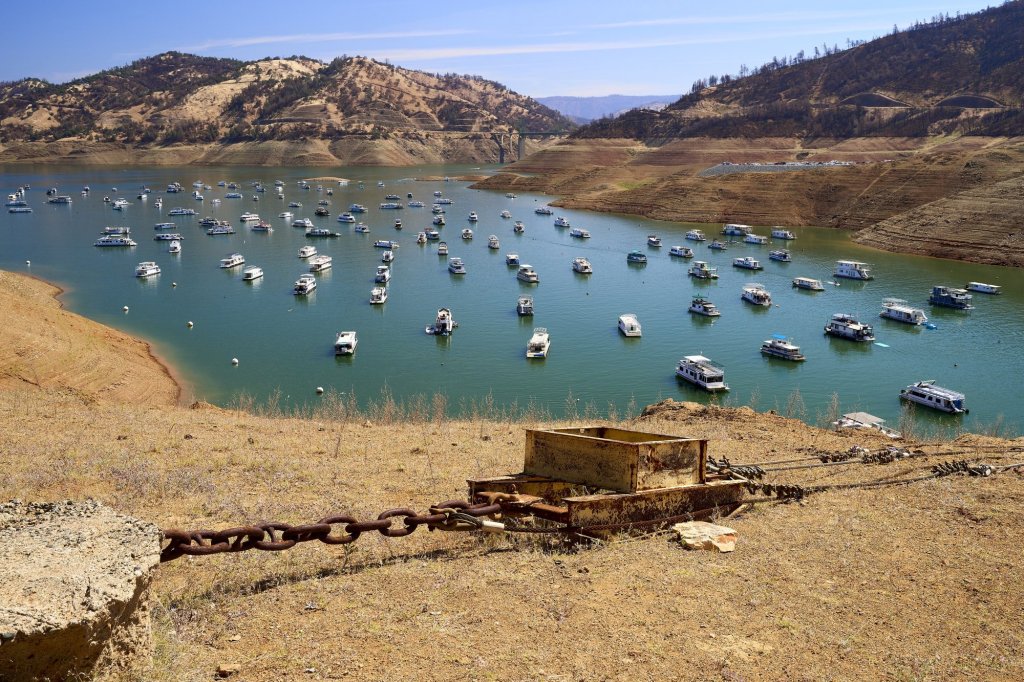
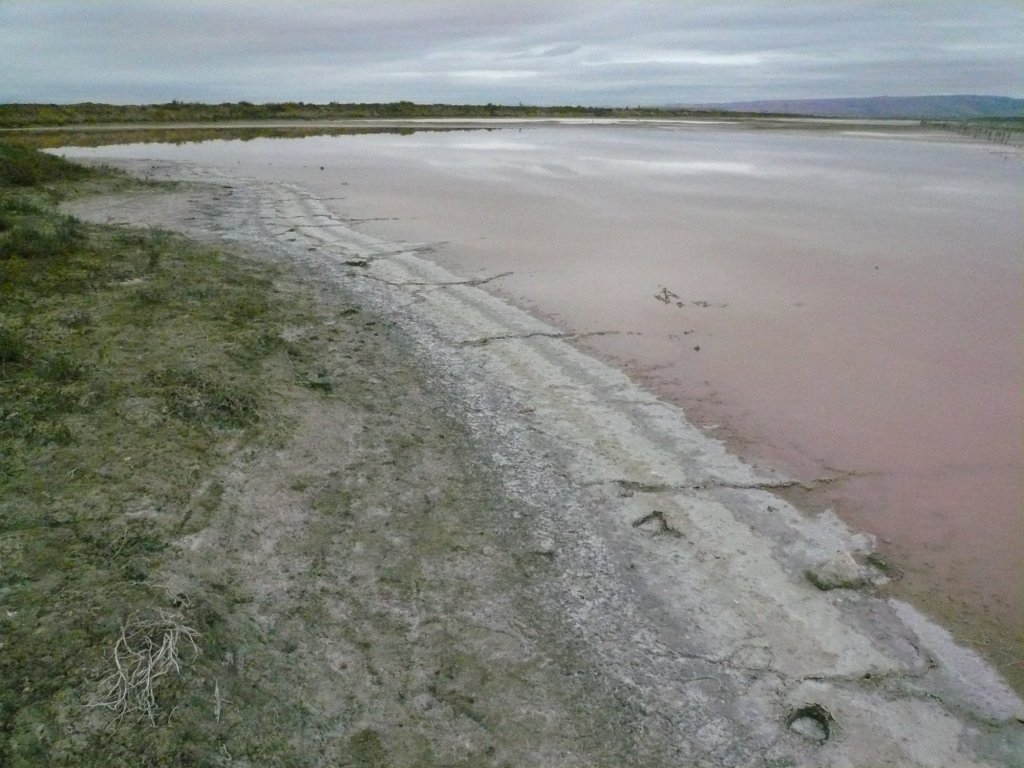
The danger isn’t only data centers. Green Foothills reports that Santa Clara County already faces 28 “builder’s remedy” proposals for sprawl on rural open space and farmland. That’s more than 6,600 units, nearly 3,000 of them in FEMA flood zones and nearly 1,500 in wildfire hazard zones. Today those projects still need full CEQA review. Prop 45 would make it much harder for the county to stop them, or even to soften the damage. The Muwekma Ohlone, whose federal acknowledgment was denied in 2002, and other unrecognized local tribes such as the Amah Mutsun could lose their formal voice in protecting ancestral sites. The South Bay has spent more than two decades turning salt ponds back into tidal marsh. That work deserves more than a 45-day comment window.
Follow the money
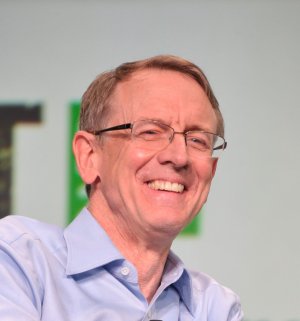
So who wants this so badly? Through Oct. 22, committees supporting Prop 45 had reported $38.6 million, according to the Secretary of State. The largest single check, $10 million in two payments in January and February, came from Building a Better California. The Fair Political Practices Commission lists that committee’s top donors as Google co-founder Sergey Brin and venture capitalist John Doerr. Brin has given it $102 million this year. TransparencyUSA shows former Google CEO Eric Schmidt at $40.2 million, Doerr at $40 million, Stripe’s Patrick Collison at $33.2 million and Vinod Khosla at $12.6 million. The committee spends across six measures, as this paper has reported, and regulators caution that its donors’ money can’t be traced dollar for dollar to Prop 45. Fair enough. But these men chose to fund a committee that made gutting CEQA part of its nine-figure ballot program, and they answer for that choice. (Wendy Schmidt, for her part, has given $10 million to defeat the measure.)

Then come the utilities, builders and landlords of California’s future. Edison International put in $2 million. A PG&E-funded committee gave $2.4 million and Sempra $1 million. The homebuilders’ CBIA Issues Committee, whose top donors include Lennar and KB Home, gave $7 million. California Business PAC, whose top donors include CRC Services LLC and PG&E, gave $3.9 million, and CalChamber put in $2 million of its own funds. The industrial real estate giant Prologis gave $500,000 through the Modern Infrastructure Alliance Action Fund. Further down the donor list are Tejon Ranch Co. and Stewart Resnick, co-owner of the Wonderful Co.
What the Yes side gets right, and wrong
Supporters say California takes far too long to build housing, transit, water systems and clean energy, that CEQA lawsuits are sometimes abused to kill good projects, and that red tape is costing the state jobs and its edge in the AI race. Some of that is true. CEQA has been abused, and this page has no patience for NIMBY litigation against infill apartments. But the Legislature has already exempted most urban infill housing from CEQA with AB 130, and, as Green Foothills notes, state law already fast-tracks many solar, wind and transit projects. Prop 45 doesn’t require a single home, power bill or water rate to get cheaper. The LAO estimates it would cost state and local governments in the high tens of millions of dollars a year at first, possibly more than $100 million. Supporters also point out that the Endangered Species Act and the Clean Water Act stay on the books. They do. But CEQA is where the public finds out which of those laws a project might break.
Silicon Valley, look in the mirror
This is the part we take personally. Our region’s tech giants fill their annual reports with net-zero pledges and promises to replenish more water than they use. Yet some of the men who built those companies, and got rich from them, are among the biggest funders of a committee spending millions to weaken the one law that lets Californians see the environmental bill before it comes due.
Silicon Valley needs to look in the mirror. Corporate social responsibility has to mean more than a glossy sustainability report and a keynote slide. It has to mean not paying to take apart the public’s right to know. If sustainability is a real value for this industry and not just a branding exercise, prove it.
Start by rejecting Proposition 45. Vote no.




Leave a Reply