
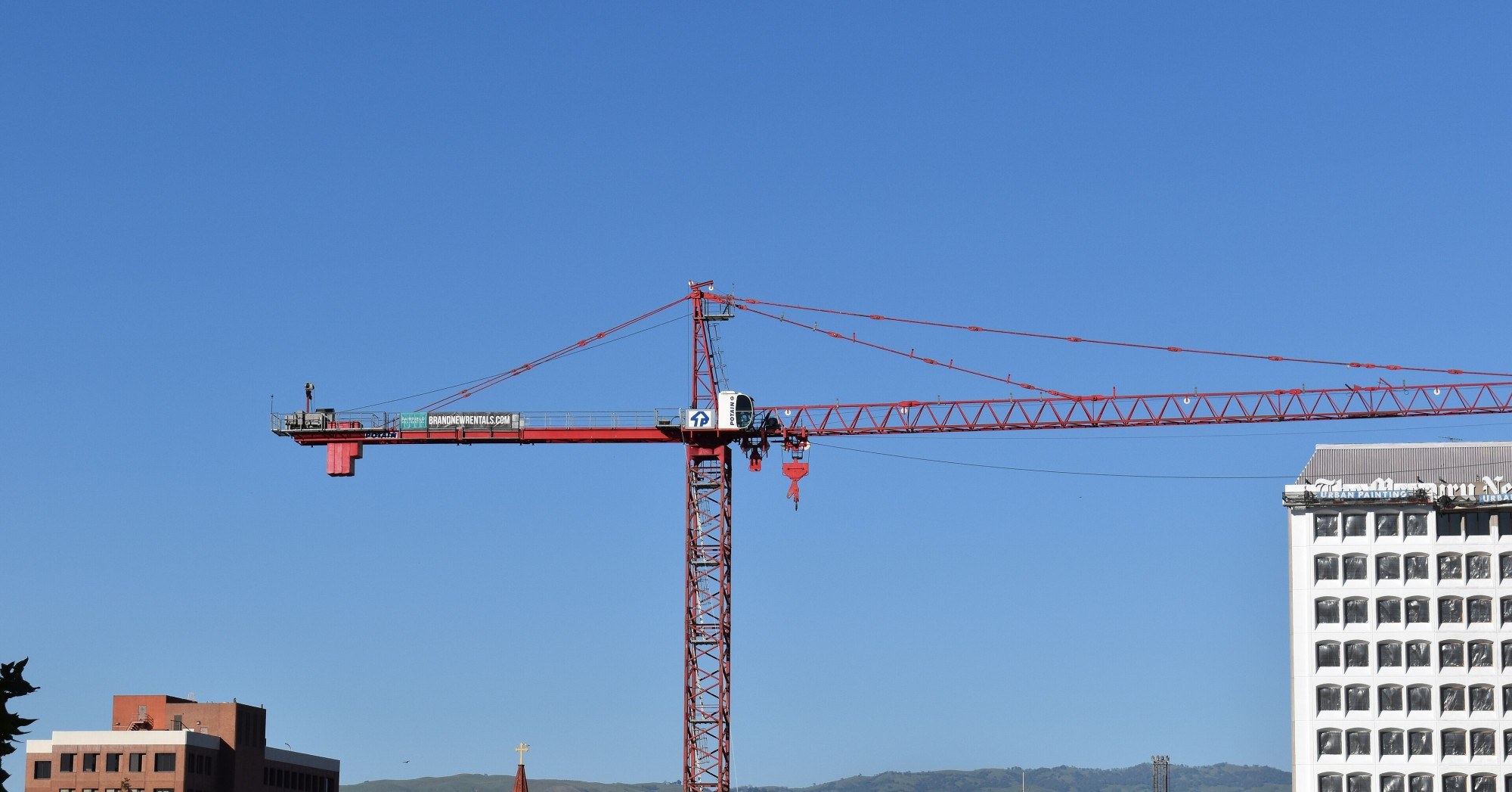
Top image: A construction crane over downtown San Jose. Photo: FASTILY / CC BY-SA 4.0 via Wikimedia Commons
Polls close Tuesday at 8 p.m. on Proposition 45, the statewide measure that would rewrite how the California Environmental Quality Act (CEQA) applies to big projects. The final polls show a close race and the spending on both sides has been heavy. Whatever the outcome, the measure does not approve a building, a rail line or a transmission tower. What it would change is the timeline. Here is what the official analysis says would happen, and when, if it passes.
What the measure does
According to the Legislative Analyst’s Office, Prop. 45 creates an optional, faster review path for projects that meet its definition of “essential.” That definition covers housing, as well as categories such as water, energy and transportation infrastructure. A developer or agency that chooses the path would get:
- A deadline of 365 business days to finish the environmental impact report (EIR). If the lead agency misses it, the applicant can demand a hearing or sue.
- Standards fixed at the time of application, so the rules cannot change midway through review.
- A narrower set of alternatives. The applicant would develop one alternative to the proposed project, instead of the broader range agencies study today.
- Tribal consultation limited to federally recognized tribes, and caps on public comment periods.
- Narrower court remedies. A judge could halt only the deficient part of a project, not the whole thing. According to CalMatters, courts would also have to rule on challenges within 270 days.
The LAO estimates state and local costs in the high tens of millions of dollars a year, potentially more than $100 million. Some of that would be covered by fees, mostly for added staff to meet the deadlines. It calls the longer-term effects on construction “uncertain.”
What it means for South Bay projects
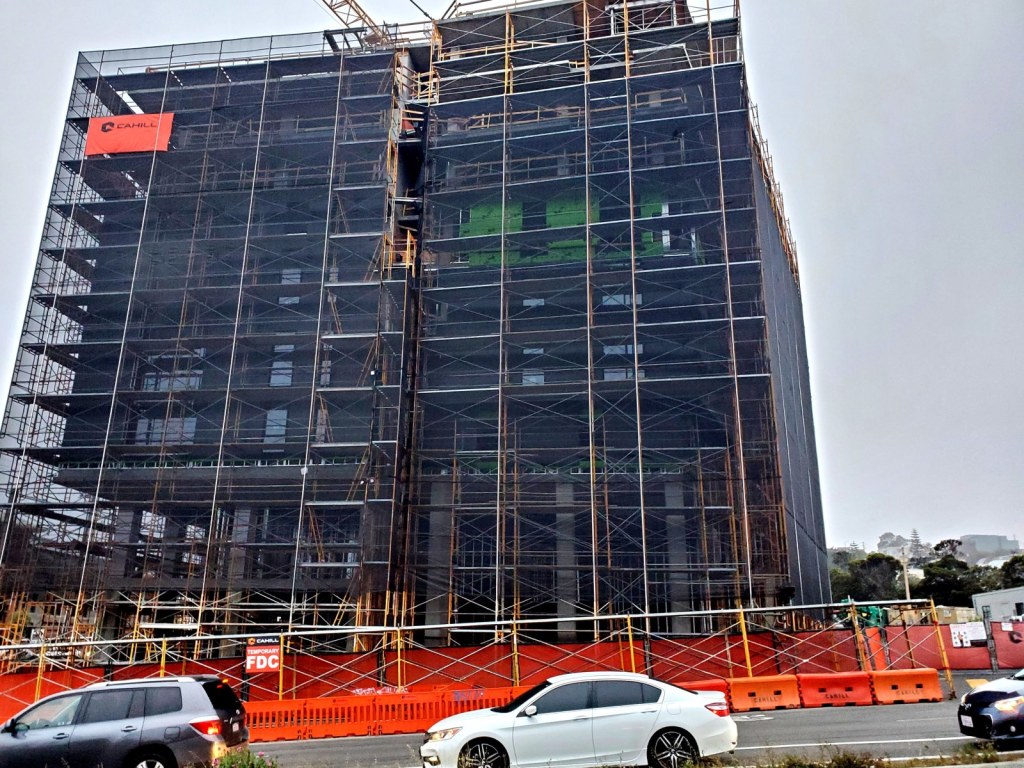
CEQA’s critics, including the California Chamber of Commerce, which put the measure on the ballot, say the law’s delays add years and millions of dollars to housing and infrastructure. In the South Bay, those delays fall on high-rise housing near downtown San Jose transit, on the BART Silicon Valley extension and on transmission lines needed for data-center and electrification load. Supporters say the new path would let sponsors of such projects lock in their rules and a schedule.
Opponents argue that the speed comes at a cost. The California Labor Federation, the California Democratic Party, the California Nurses Association, the Sierra Club California chapter and the League of Women Voters, among others, say CEQA lawsuits are one of the few tools communities have against harmful projects. They say a one-alternative review and tighter comment periods would leave neighborhoods, and tribes that are not federally recognized, with less say. That last point matters in the Bay Area, where the Muwekma Ohlone Tribe is not federally recognized. CalMatters also lists the supporting coalition: CalChamber, the California Republican Party, the California Hospital Association, the California Building Industry Association and LULAC.
The timeline
- Tuesday, Nov. 3: Polls close at 8 p.m. Early returns from mail ballots come first.
- Nov. 10: Last day for county elections offices to receive mail ballots postmarked by Election Day, according to the Secretary of State.
- Dec. 11: The Secretary of State certifies statewide results.
- About Dec. 16: Under Article II, Section 10 of the state Constitution, an approved initiative takes effect on the fifth day after the Secretary of State files the statement of the vote. Projects could opt into the new path only once it takes effect.
If the measure fails, CEQA remains as it is. The Legislature’s 2025 housing exemptions (SB 131 and AB 130) still apply.
What’s next
If the measure passes, cities, including San Jose, would need to set up the fee schedules and staffing for the 365-day track. The first projects to try it would show how often agencies can actually meet the deadlines.
The Chronicle’s editorial board has urged a no vote. That opinion is separate from the newsroom, which reports the measure’s case on both sides.
The long view
For half a century CEQA has been the rulebook for building in California. Every South Bay megaproject of the last decade has been shaped by its reviews, from Google’s Downtown West to the BART extension. Prop. 45 is the most significant attempt to change the law by ballot measure. Whether it passes or fails, the vote will be read in Sacramento as a signal of how much delay voters are willing to accept in exchange for review, and the Legislature’s next housing package will reflect it.




Leave a Reply