
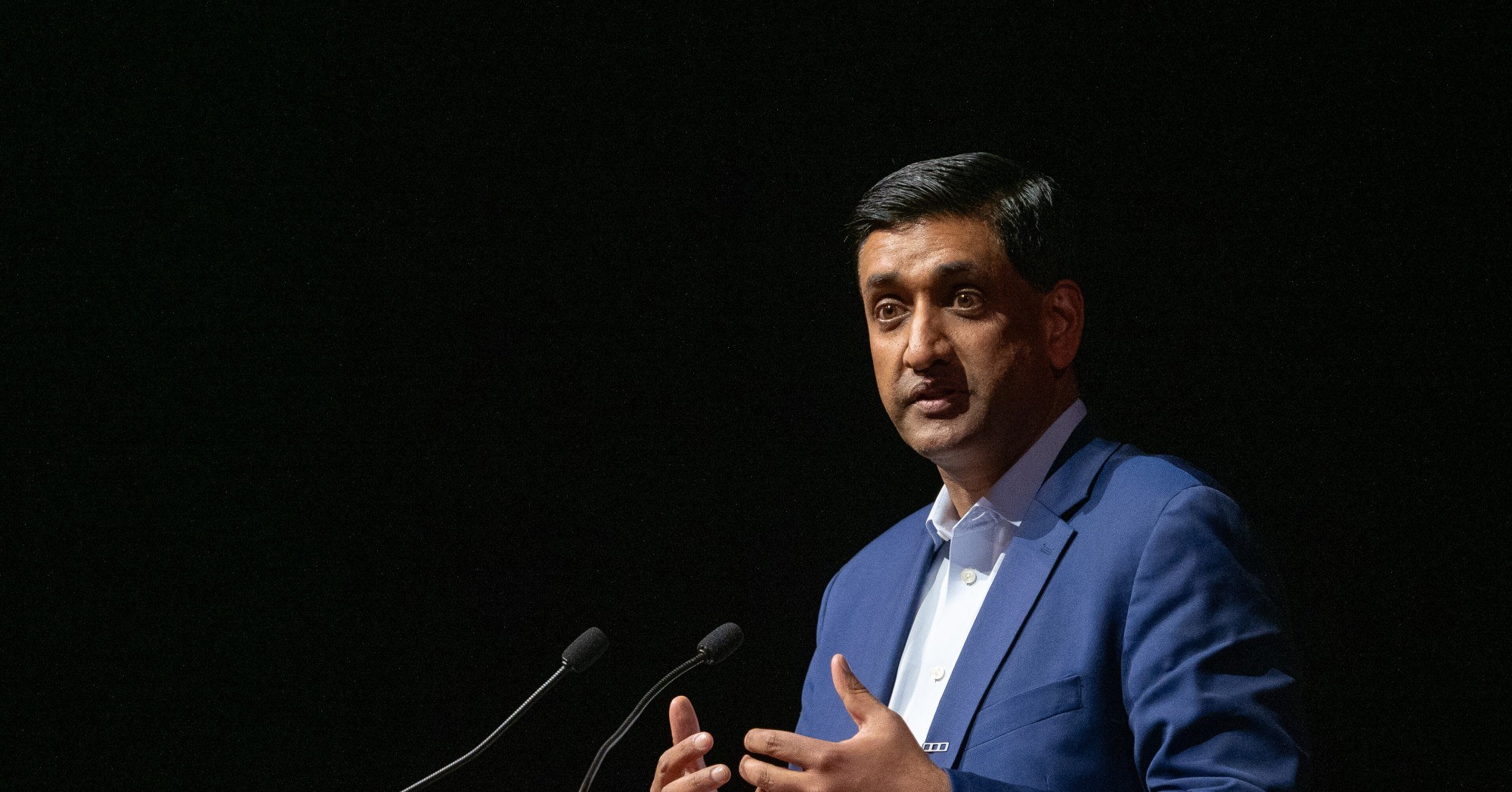
Top image: Rep. Ro Khanna speaks at Stanford University on Feb. 20, 2026. Photo: Anderseidesvik / CC BY-SA 4.0 via Wikimedia Commons
Rep. Ro Khanna of Silicon Valley is calling on Congress to outlaw sports prediction markets, the fast-growing contracts on game outcomes offered by federally regulated exchanges such as Kalshi and Polymarket.
“Sports prediction markets are sports betting disguised as financial trading,” Khanna wrote on X on Tuesday. “They flout state and tribal gambling laws, siphon state tax revenues, fuel addiction, and expose young Americans to public health risks while evading state consumer safeguards. Congress must ban them.”
The post put Khanna, a likely 2028 Democratic presidential contender widely discussed in early primary talk, on one of the few issues that cuts across party lines and pits a new financial industry against states, tribes and public health advocates. He has not introduced legislation on the issue, Covers reported.
Joining Schiff’s bill
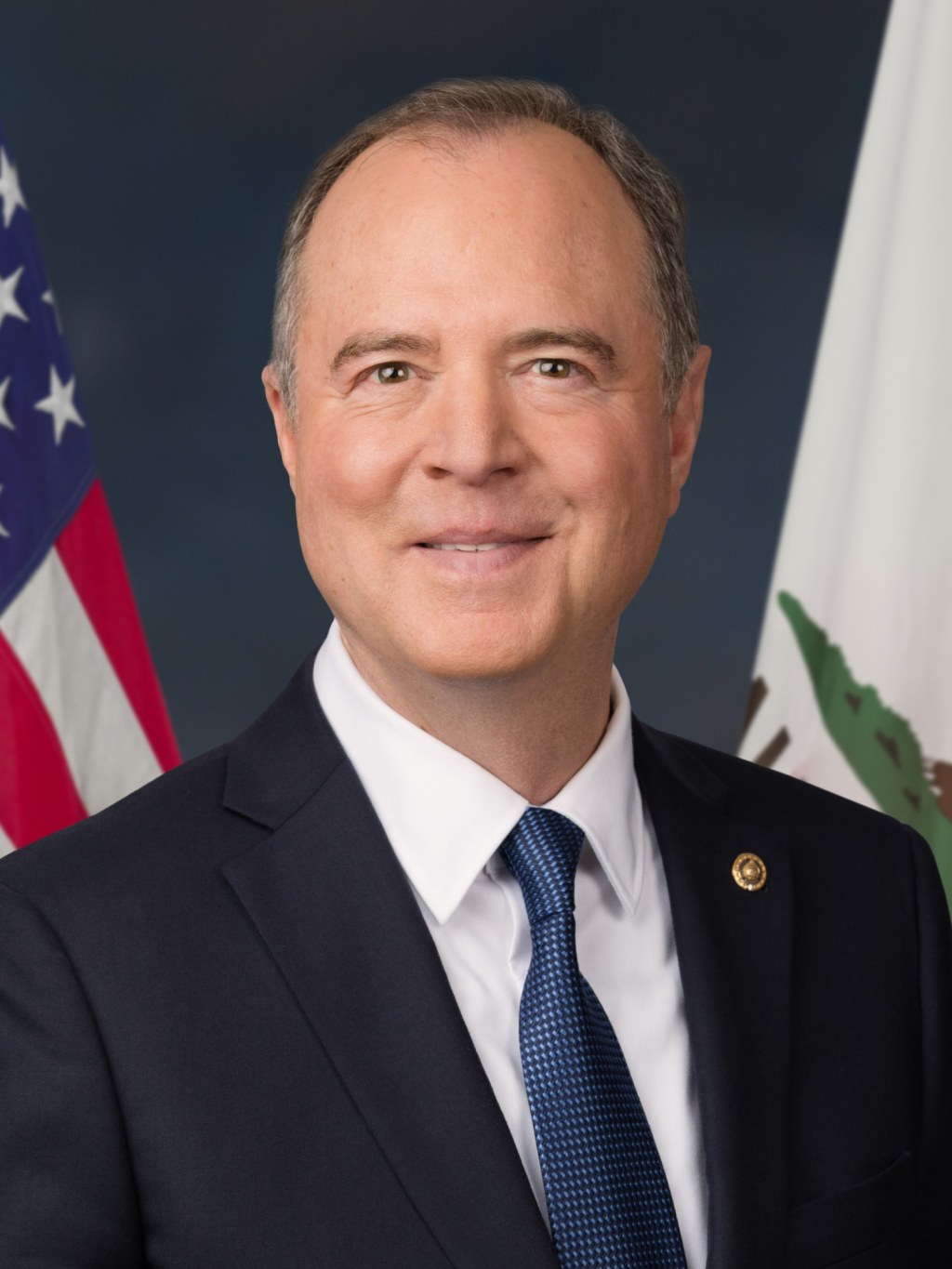
Khanna’s call lines up with California’s junior senator. In March, Sen. Adam Schiff, D-Calif., and Sen. John Curtis, R-Utah, introduced S. 4160, the Prediction Markets Are Gambling Act, which was referred to the Senate Agriculture Committee. The bill would bar prediction market platforms from offering contracts on sporting events and casino-style games, TechCrunch reported. It would not apply to state-licensed sportsbooks such as FanDuel and DraftKings, which already answer to state gambling laws.
“Sports prediction contracts are sports bets — just with a different name,” Schiff said when the bill was introduced. “And yet, these contracts are currently offered in all fifty states in clear violation of state and federal law.”
“Too many young people in Utah are getting exposed to addictive sports betting and casino-style gaming contracts that belong under state control, not under federal regulators,” Curtis said.
The industry’s side
Kalshi has argued that it is a federally regulated exchange that answers to the Commodity Futures Trading Commission, not to state gaming regulators. When the Schiff-Curtis bill was introduced, Kalshi spokesperson Elisabeth Diana told TechCrunch it would stifle competition and push users to offshore markets. “It’s clear this bill is motivated by casino interests that are threatened by competition,” she said. “They’re more worried about protecting their monopolies than protecting consumers.”
The CFTC has sided with the operators in court. It has filed lawsuits on behalf of companies such as Kalshi in seven states, including Illinois, New York and Massachusetts, according to Covers.
How big the market has become
Sports contracts began appearing on prediction markets in early 2025 and have grown quickly. Kalshi, now the largest such exchange in the U.S., reported more than $10 billion in notional volume last weekend alone, mostly from sports and parlay-style combinations, Covers reported. Twenty states are in litigation with prediction market companies, Nevada and Michigan have pushed sports event contracts out of their jurisdictions, and Utah recently filed criminal charges against Kalshi’s co-founders. The Supreme Court is eventually expected to decide what the exchanges can offer.

Why it matters at home
For California, the issue is not abstract. Sports betting is not legal in the state, and California tribes, which operate the state’s casinos under compacts, have long guarded their gaming rights. Khanna’s post explicitly named “tribal gambling laws” and lost state tax revenue, two arguments that resonate in a state where voters rejected both sports betting measures in 2022.
It also fits Khanna’s broader pitch as a progressive willing to take on powerful financial interests, from his push to ban stock trading by members of Congress to his scrutiny of Big Tech, positions that have helped make him a regular in early 2028 conversations. If Congress takes up the issue next year, when Democrats control the House, Khanna, who has already staked out a clear position, could be one of the House’s leading voices on it.





Leave a Reply