
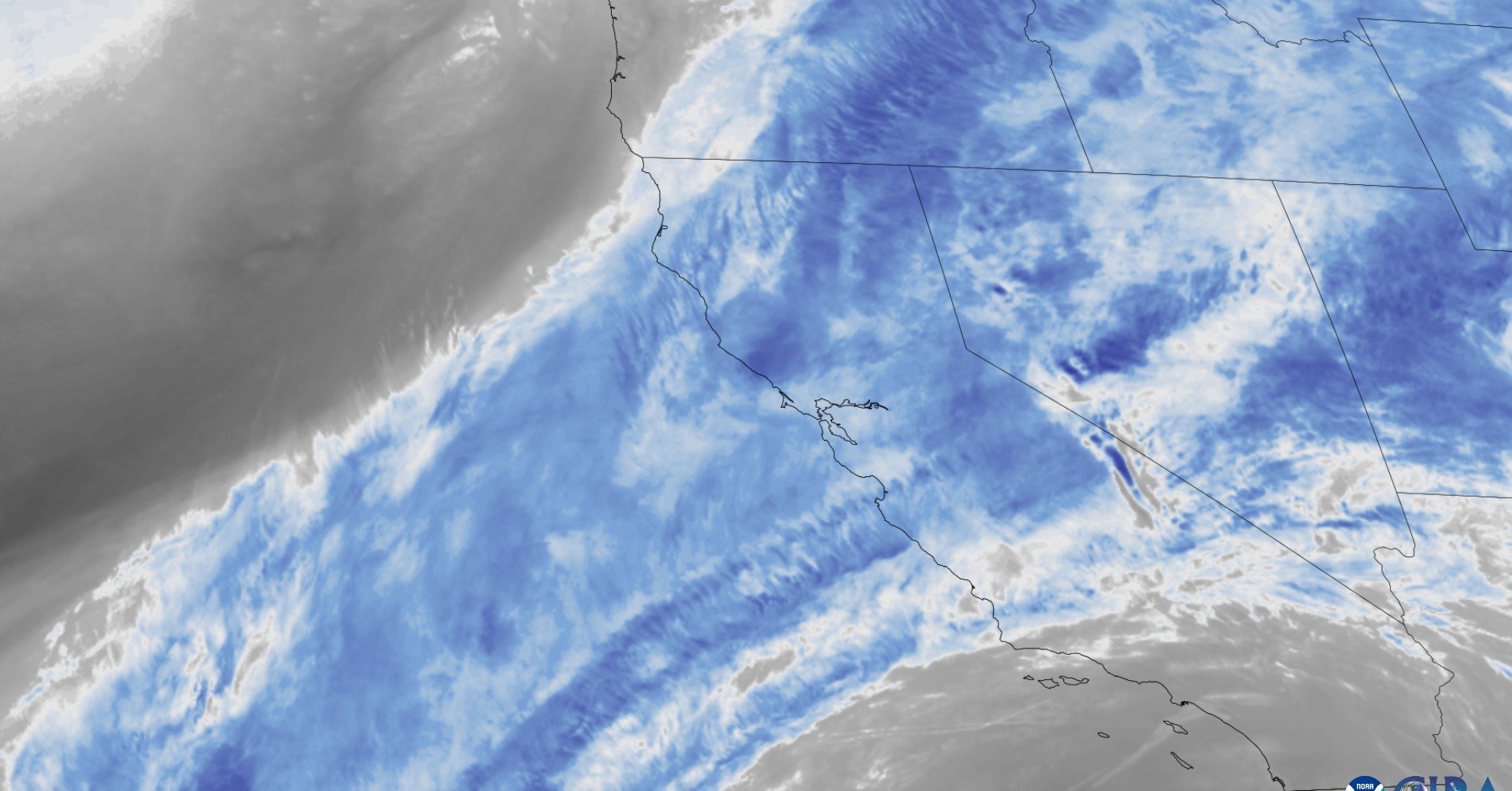
Top image: A satellite view of an atmospheric river carrying moisture toward the West Coast. Photo: GOES imagery: CSU/CIRA & NOAA (public domain) via Wikimedia Commons
The U.S. Senate on Tuesday unanimously passed the Weather Research and Forecasting Innovation Reauthorization Act of 2026, known as the Weather Act, a bill that would reauthorize the National Oceanic and Atmospheric Administration’s forecasting programs and create a new program to improve forecasts of atmospheric rivers, the storms that deliver much of California’s winter rain and many of its floods.
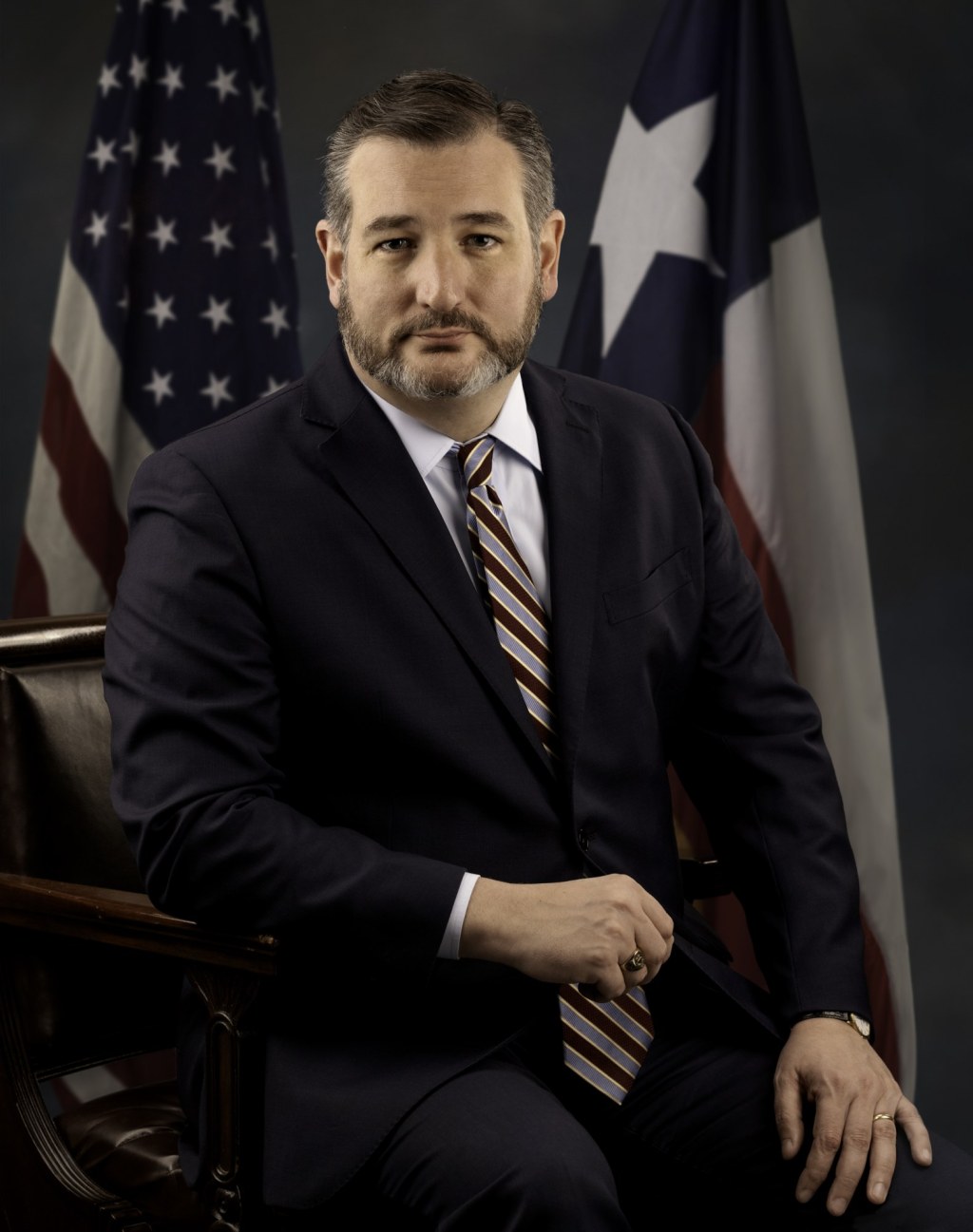
The bill, S. 3923, was led by Senate Commerce Committee Chairman Ted Cruz, R-Texas, and Ranking Member Maria Cantwell, D-Wash. Senate passage reflects a bicameral agreement, and the House is expected to take it up and send it to the president before the end of the 119th Congress, the committee’s Republican staff said in announcing the vote. The Commerce Committee had advanced it unanimously in March, a month after it was introduced.
For the South Bay, the timing is pointed. San José proclaimed a local emergency on Tuesday, a step previewed by the Chronicle, ahead of what forecasters expect to be a strong El Niño winter.
What the bill would do
According to Cantwell’s office, the Weather Act would:
- Establish an atmospheric river forecast improvement program to develop better tools and forecast models, “especially across the West coast.”
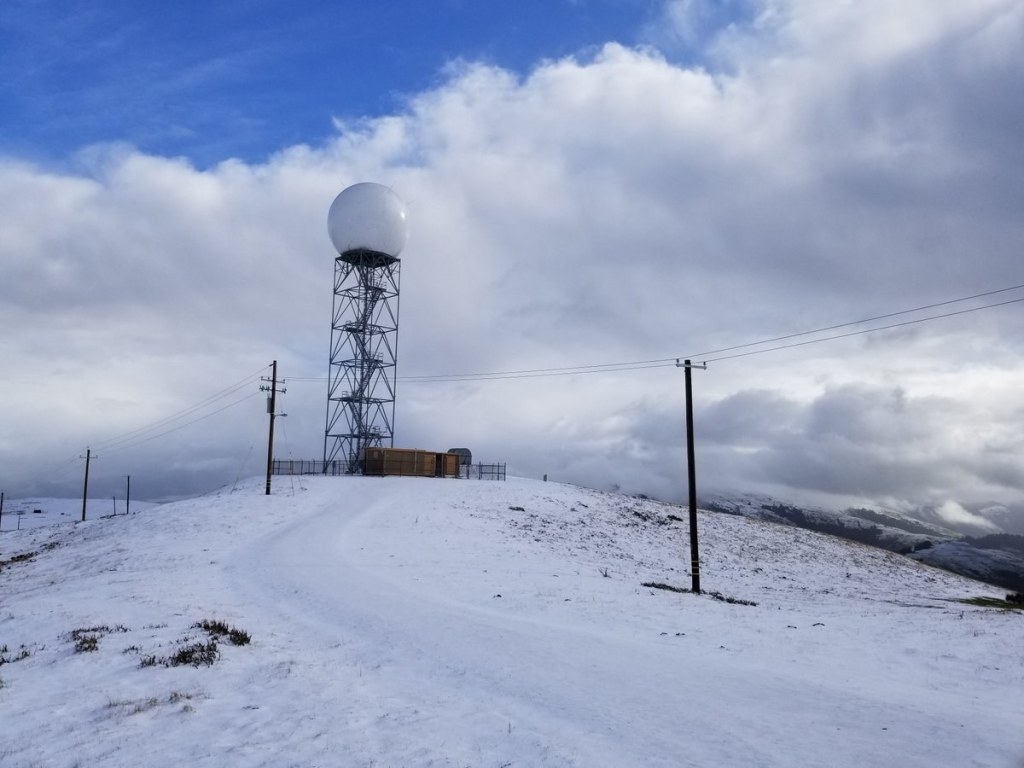
- Direct NOAA to design and deploy the next generation of weather radar by 2037, and let it fill gaps in today’s radar coverage with data and services from third parties.
- Create an official Fire Weather Services Program within NOAA.
- Require the U.S. Geological Survey and NOAA to factor atmospheric rivers into landslide planning.
- Upgrade NOAA weather radio, including Cruz’s NOAA Weather Radio Modernization Act, and expand coverage to rural areas.
- Improve coastal marine fog forecasting and long-range forecasts for farmers, ranchers and water managers.
- Expand NOAA’s authority to buy commercial weather data and codify its Commercial Data Program.
What the sponsors said
Cruz tied the bill to the deadly Hill Country floods. “Today, the Senate took a pivotal step toward ensuring Americans are prepared for severe weather,” he said. “The lives lost in the July 4, 2025, Texas floods are a heartbreaking reminder of what is at stake.” He said the package brings together “over a dozen bipartisan bills to modernize radar systems, deliver more accurate and timely forecasts, and improve warnings.”
Cantwell said the Weather Act will “improve forecasts for atmospheric rivers and wildfires, like the devastating fires that forced thousands to evacuate in Spokane last month.”
On the House side, Science, Space, and Technology Committee Chairman Brian Babin, R-Texas, said the Senate bill builds on legislation his committee advanced in September 2025 and “reflects a bipartisan, bicameral compromise.”
Lofgren: ‘a long time coming’
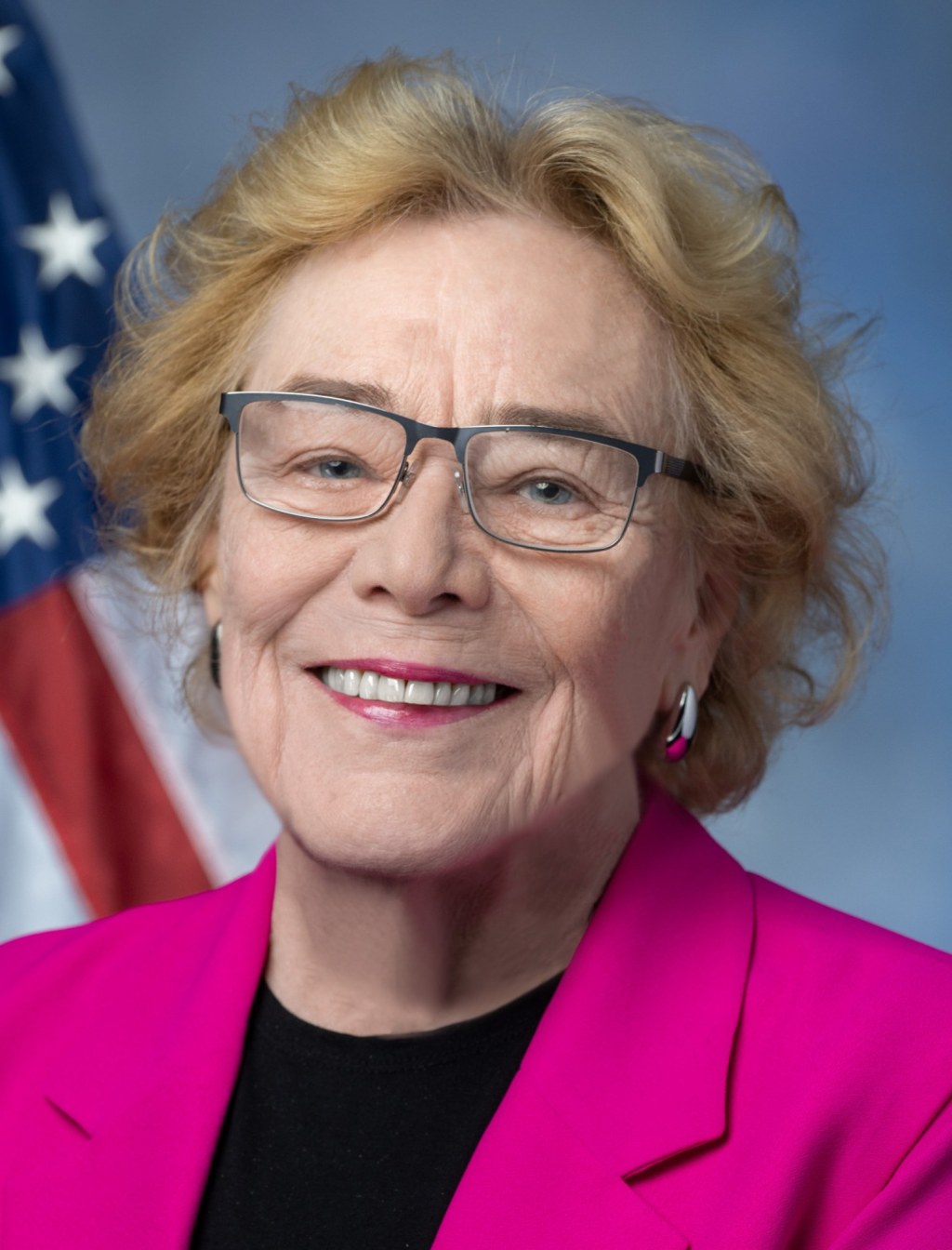
Rep. Zoe Lofgren, D-San José, the committee’s ranking Democrat, linked the bill directly to this winter. “This is a long time coming,” she said. “The World Meteorological Organization just released its State of the Climate update emphasizing that the supersized El Niño we are experiencing is expected to bring record heat, flooding, and drought conditions for the next year. Now more than ever, more observations and data are needed to bolster our nations forecasting capabilities.” She added, “We have to ensure that NOAA has the tools, staffing, and infrastructure to help support communities prepare for and respond to disasters.”
The bill’s Senate cosponsors include both parties: Sens. Dan Sullivan, Lisa Blunt Rochester, Jerry Moran, Brian Schatz, Tim Sheehy, Jacky Rosen, Ted Budd, Amy Klobuchar, John Curtis and John Hickenlooper. Neither of California’s senators is listed as a cosponsor.
Next on Commerce: a Nov. 18 markup
Cruz has also scheduled a full committee markup for Wednesday, Nov. 18, at 10 a.m. ET in Russell 253. The agenda includes votes on four of President Donald Trump’s nominees who testified before the committee at a hearing the Chronicle covered: Danielle Thumann Severs for the Federal Communications Commission, Joshua Shoemaker as NASA chief financial officer, Robert Steinau as NASA inspector general and Leslie Becera as an assistant secretary of transportation.
Bills on the list with a Silicon Valley angle include:
- S. 3301, the Chip EQUIP Act (Kelly, Blackburn).
- S. 5508, the Telecommunications Cybersecurity and Resilience Act (Warner, Cruz).
- S. 3741, the Biosecurity Modernization and Innovation Act of 2026 (Cotton, Klobuchar).
- S. 5332, the Cooperative Institute Act of 2026 (Cantwell, Wicker), which concerns NOAA’s cooperative institutes.
The committee notes the agenda is subject to change.



Leave a Reply