
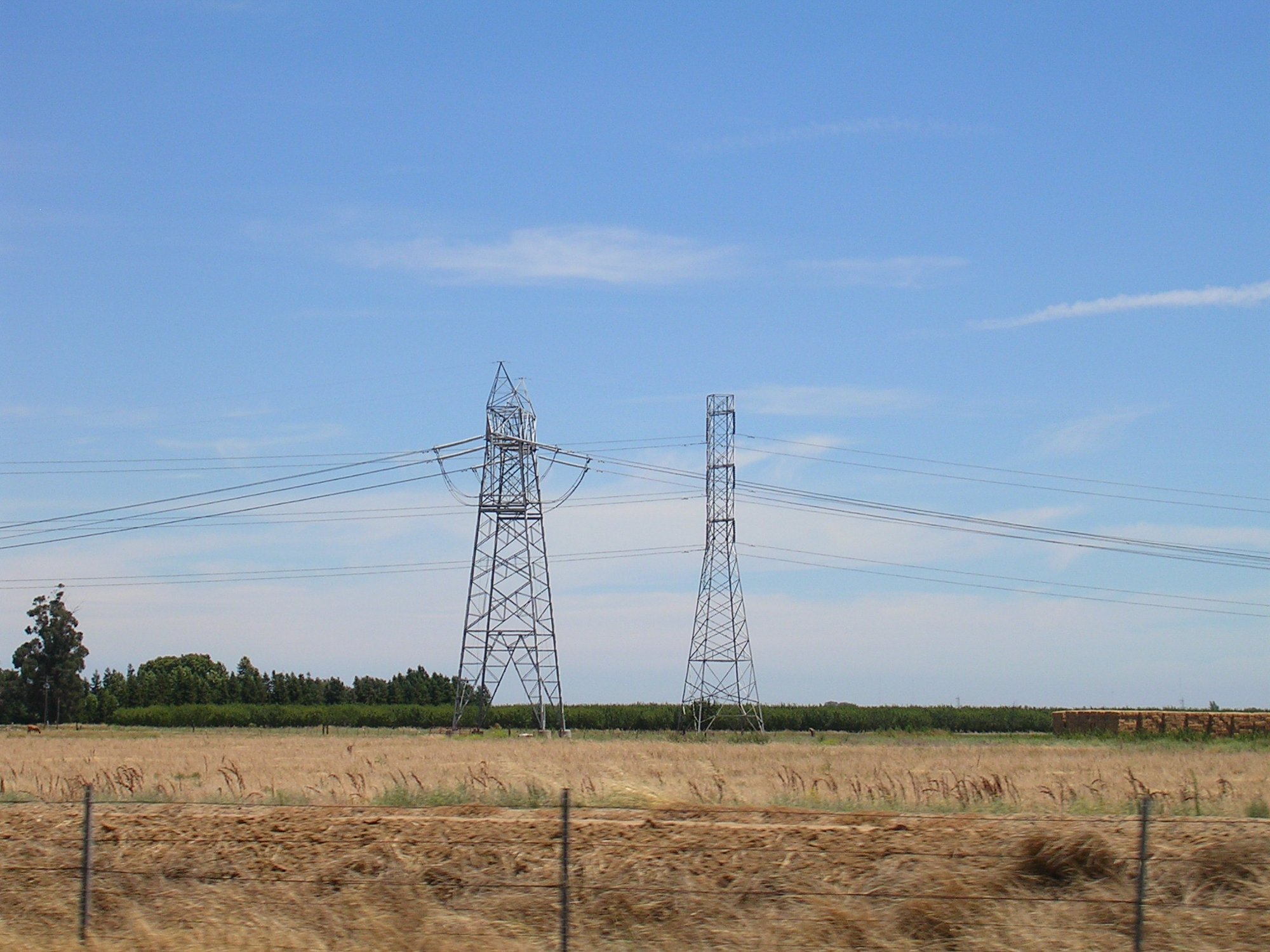
Top image: A PG&E 500-kilovolt transmission line near the Vaca-Dixon substation. Photo: Wikimedia Commons user “Cheers. Trance addict – Armin van Buuren – Oceanlab” / CC BY-SA 3.0 via Wikimedia Commons
ANALYSIS | This is news analysis: it interprets campaign filings and public statements. Motives described here are drawn from donors’ own statements, public records and critics’ claims, and are not established fact.
With three days until the Nov. 3 election, the committees pushing Proposition 45 have reported $38.6 million in contributions through Oct. 22, according to the California Secretary of State. That is about $7.4 million more than opponents had reported by then. A newer tally from the state’s Fair Political Practices Commission, updated Oct. 29, puts the Yes side’s top contributors at $39.6 million and the No side’s at $36.3 million, so the gap has narrowed to about $3.3 million in the race’s final days. The measure would set deadlines for environmental review under the California Environmental Quality Act and for CEQA lawsuits involving housing, water, energy and other “essential” projects.
Most of the Yes money comes from a short list of donors. They include a committee bankrolled by Silicon Valley billionaires, the state’s homebuilders, its three big investor-owned utilities, business PACs and California’s largest oil producer.
Campaign filings show who is paying, but not why. This analysis sets the donors’ documented business interests beside what they and the campaign say about their reasons. The Chronicle’s editorial page urged a No vote on Oct. 25.
Who is paying
| Donor | Amount | Committee / route | Dates | Source |
|---|---|---|---|---|
| Building a Better California (Brin, Eric Schmidt, Doerr, Collison, Khosla) | $10,000,000 | Direct to main Yes on 45 committee | $5M Jan. 13; $5M Feb. 3 | SOS |
| CBIA Issues Committee (Sempra, Lennar, Five Point, KB Home, others) | $7,009,737 raised | Builders’ committee; FPPC (Oct. 29) lists $7.35M to main committee | Through Oct. 22 | SOS, FPPC |
| California Business PAC (top donors CRC Services, PG&E) | $3.9M | To main committee | Includes $1.5M Oct. 7 | FPPC, SOS |
| California Building Industry Association | $3.25M (FPPC, Oct. 29: $3.24M) | To Yes committees | $1M July 2; $2.25M Aug. 17 | SOS, FPPC |
| PG&E | $2.4M via BRIDGE committee (CalMatters: $5.9M) | BRIDGE Issues; also gave to CA Business PAC, and FPPC (Oct. 29) lists a separate $500K directly to the main committee | $1.7M contribution Oct. 2 | SOS, CalMatters |
| Edison International | $2M (reported by the Bee as a loan) | Main committee | Dec. 24, 2025 | SOS, Sacramento Bee |
| CalChamber (sponsor) | $2M non-donor funds | Main committee | June 30 | SOS |
| Sempra | $1M (CalMatters: $2M) | CBIA Issues Committee | Oct. 8 | SOS, FPPC |
| California Association of Realtors | $1.5M | Main committee | Aug. 26 | SOS |
| California Resources Corp. (CRC Services LLC) | $1M (CalMatters: $500K) | Main committee and CA Business PAC | August and later | Politico, FPPC |
| Yuhaaviatam of San Manuel Nation | $750,000 | Main committee | $250K Mar. 3; $500K Oct. 9 | FPPC, Cal-Access |
| NextEra Energy Resources | $550,000 | Yes committees | n/a | Politico |
| Prologis (Modern Infrastructure Alliance Action Fund) | $500,000 | Main committee | n/a | FPPC |
| Bloom Energy Corp. (San José) | $500,000 | Main committee | $250K Oct. 5; total reached $500K by Oct. 29 | TransparencyUSA, FPPC |
| Tejon Ranch Co. | $150,000 | Yes committees | n/a | CalMatters |
The trackers don’t agree on the totals. The FPPC’s top-donor tally, updated Oct. 23, put support at $38.95 million on Oct. 23; its Oct. 29 update puts it at $39.6 million ($39,601,313), with opposition at $36.25 million. Capitol Confidential reported “more than $40 million.” CalMatters’ contributor list shows a PG&E-funded committee at $5.9 million, against $2.4 million in state records. Trackers count transfers between allied Yes committees differently.
As of Saturday, Oct. 31, the Secretary of State’s measure totals were still dated through Oct. 22. The FPPC’s Oct. 29 update shows new or larger entries since the Chronicle’s first look on Oct. 25: Bloom Energy, the San José fuel-cell maker, at $500,000 (it gave $250,000 on Oct. 5, records show); a $500,000 direct PG&E entry; and a CBIA committee transfer listed at $7.35 million. A public filing database the Chronicle checked showed no main-committee late reports after Oct. 14, but it may lag the state’s records. Late filings could still change these numbers.
The tech money
The largest single donor is Building a Better California. It gave the main Yes committee $5 million on Jan. 13 and another $5 million on Feb. 3, state records show. Google co-founder Sergey Brin has given the committee $102 million. TransparencyUSA lists other major donors:
- Former Google CEO Eric Schmidt, $40.2 million
- Venture capitalist John Doerr, $40 million
- Stripe co-founder Patrick Collison, $33.2 million
- Investor Vinod Khosla, $12.6 million
The group bankrolls six measures. Most of its money is going to Prop 40, the proposed billionaire tax, and two related tax measures, as the Chronicle reported Oct. 23. The FPPC warns that a multi-measure committee’s money can’t be traced dollar-for-dollar to any one proposition.
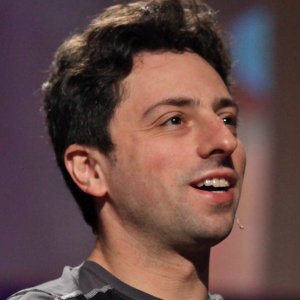
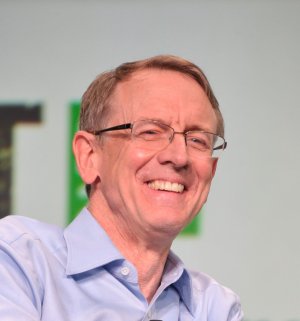
The committee’s spokesperson, Abby Lunardini, told the Sacramento Bee in February that it backs “forward-looking policies aimed at making the state more livable and affordable — while protecting innovation and entrepreneurship.” Its website pledges to cut “the red tape that stalls building of homes and much-needed infrastructure.”
Opponents tie the money to the tech industry’s own needs. Elizabeth Reid-Wainscoat of the Center for Biological Diversity called the measure a “handout to tech billionaires.” Brin co-founded Google, whose parent company runs data centers. Doerr is a prominent clean-energy investor, and clean-energy projects face their own permitting fights. No filing links any donor’s personal holdings to a specific project that Prop 45 would speed up.
One household appears on both sides of the ledger. Eric Schmidt funds Building a Better California, while his wife, Wendy Schmidt, is the opposition’s largest donor.
The utilities
According to Politico, PG&E, Edison International and Sempra have together put more than $7 million into the race:
- PG&E funds a $2.4 million committee called BRIDGE. State records show a single $1.7 million PG&E contribution on Oct. 2, and the company is also a top donor to the CA Business PAC.
- Edison gave $2 million in December 2025. The Bee reported that money as a loan.
- Sempra gave $1 million to the builders’ committee on Oct. 8.
The Chronicle found no detailed public statement from any of the three utilities explaining their giving. The campaign’s own case studies make the argument for them. They highlight two transmission projects that faced long delays: San Diego’s Sunrise Powerlink and a Paso Robles grid upgrade that the campaign says took more than six years.
Critics point to something else: power demand. Courage California argues that utilities “have a direct stake in a rapid data center buildout,” which brings new electricity customers and new grid investment. The Chronicle reported Oct. 22 on PG&E substation plans tied to data-center demand in North San José.
The builders
The California Building Industry Association’s issues committee has raised $7 million. State records also list $3.25 million in contributions from CBIA itself, though some builder money may be counted twice as it moves between committees. Lennar, KB Home, Five Point, Tri Pointe and D.R. Horton are among the donors.
CBIA CEO Dan Dunmoyer told CalMatters the measure would cut the cost of an average home by $75,000. That is the industry’s own estimate.
Tejon Ranch Co. gave $150,000. In 2025 an appeals court upheld a ruling against the county’s approval of the company’s Centennial master-planned community, finding flaws in its wildfire and greenhouse-gas analysis. Los Angeles County recirculated a partial environmental report this year. Prop 45 would let eligible applicants choose its faster procedures. How that would apply to a project already under court-ordered review is a question for lawyers, and the measure’s text doesn’t settle it.
The data-center question
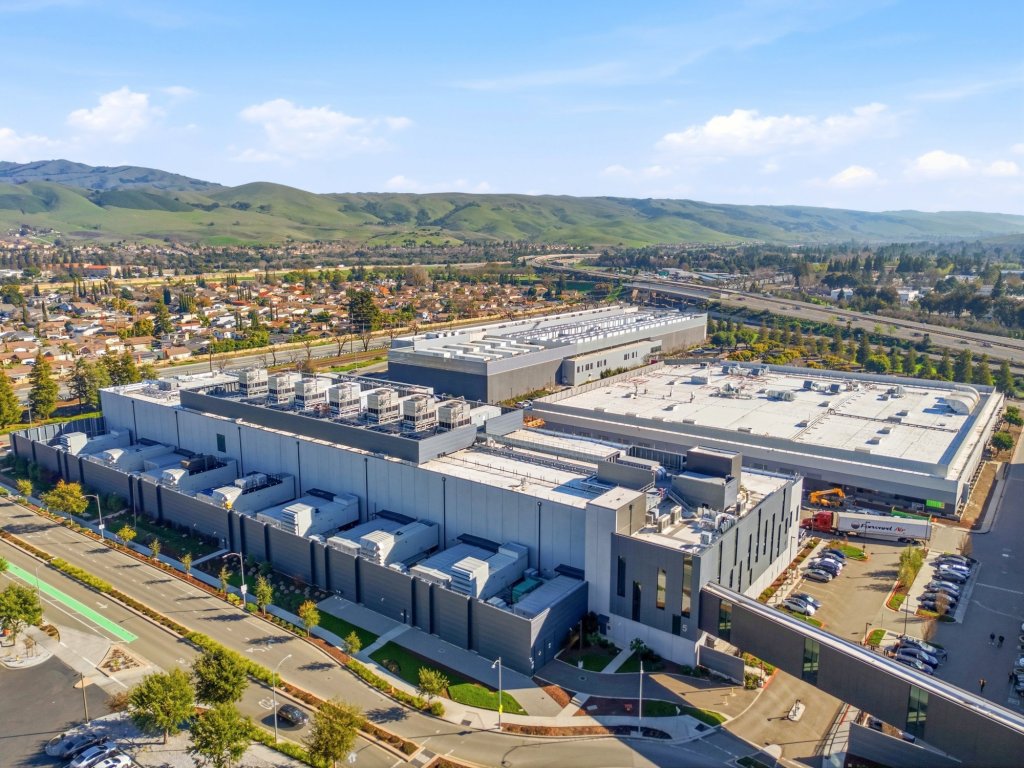
Two donors are developing data centers:
- Prologis gave $500,000 through its Modern Infrastructure Alliance Action Fund, according to the FPPC. The No campaign says the company is planning five data centers in San José. The Chronicle hasn’t independently confirmed that number.
- California Resources Corp. has given $1 million, Politico reported. FPPC records list “CRC Services, LLC (Francisco Leon)” as a top donor to the CA Business PAC; Leon is the company’s CEO. The company is seeking Kern County approval for the Golden Valley Technology Hub, a 275-megawatt data center at its Elk Hills oil field. That project is slated for a full CEQA environmental impact report.
Whether Prop 45 reaches data centers at all is the campaign’s sharpest dispute. Opponents cite land-use attorneys who say it would. The Yes campaign says data centers fall outside all eight of its project categories. It also points to the measure’s exclusion of “heavy industrial, extractive” uses and a new Legislative Counsel opinion. “We specifically excluded data centers,” Dunmoyer told the Los Angeles Times. The campaign calls the opposition’s ads “lies, lies, and more lies.”
Others in the coalition
Other Yes donors include:
- CalChamber, the measure’s sponsor, which put in $2 million of non-donor funds
- The California Association of Realtors, $1.5 million
- The Yuhaaviatam of San Manuel Nation, $750,000. It is part of a tribal alliance in the Yes coalition. The Chronicle didn’t find a public statement from the tribe about its gift.
- Clean-energy developers, including NextEra Energy Resources, which gave $550,000, Politico reported
Avantus, a solar-and-storage developer that supports the measure, said in a statement that Prop 45 would help it “strengthen the grid with more reliable energy, create union jobs” and deliver cheaper power.
“Prop 45 will lower costs for California families by streamlining approvals,” spokesperson Amelia Matier told Capitol Confidential, “with clear, enforceable timelines that end years of costly delays.”
The other side
Opponents had reported $31.2 million through Oct. 22, by the Secretary of State’s count, and the FPPC’s Oct. 29 list puts their top contributors at $36.25 million. Most of the money comes from three sources:
- Wendy Schmidt, who gave $5 million on Aug. 25 and $5 million on Oct. 5
- Clean and Healthy California, a committee sponsored by environmental groups, $7.1 million
- Building-trades unions, including the Laborers, Operating Engineers and Iron Workers
The Yes side says the unions have stakes of their own. The campaign has alleged that building-trades unions paid nearly $90 million to two CEQA-focused law firms from 2011 to 2025. Dunmoyer argues the trades use CEQA litigation as leverage to win labor agreements. The unions say they oppose the measure because it would weaken environmental review, public participation and labor protections.
What the filings can’t tell us
Donors don’t have to explain their giving, and most have said little beyond the campaign’s talking points. For builders and utilities, the business case is in the public record. For data centers, it hinges on a legal question courts may have to settle if the measure passes.
Related: Editorial: Vote No on Prop 45 | Building a Better California’s $321 million ballot push | San Mateo County weighs data-center zoning


Leave a Reply