
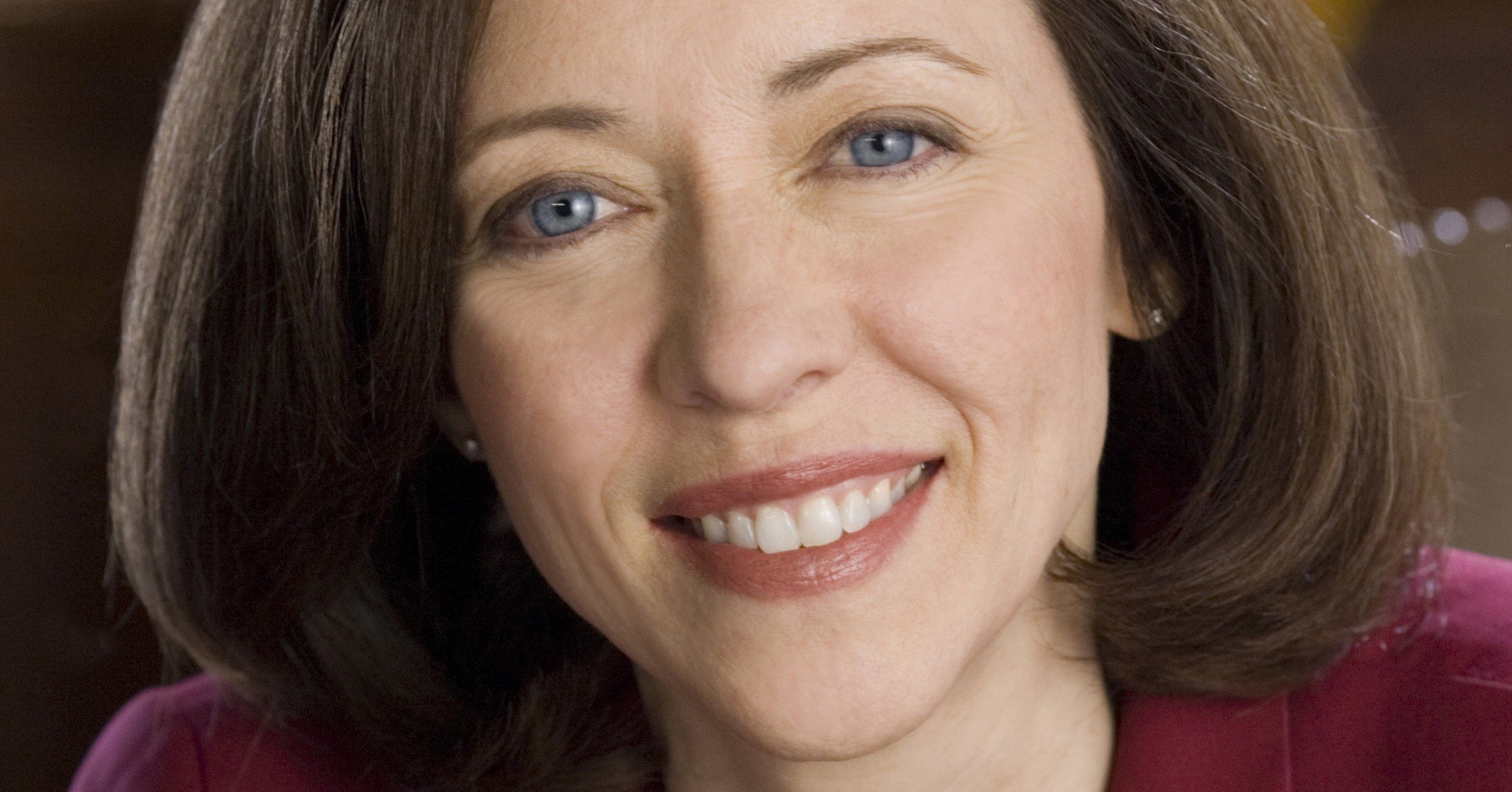
Top image: Sen. Maria Cantwell, D-Wash., the top Democrat on the Senate Commerce Committee, in her 2007 official portrait. Photo: United States Senate (public domain) via Wikimedia Commons
ANALYSIS | Who writes the AI rules once Democrats hold the gavels
Democrats won control of the Senate on Nov. 3, which puts Sen. Maria Cantwell, D-Wash., the top Democrat on the Senate Commerce, Science and Transportation Committee, in line to lead the panel with most AI jurisdiction in place of Sen. Ted Cruz, R-Texas, according to TechTimes. Committee assignments for the new Congress have not been finalized. The first fights of 2027, that report argues, will be over federal preemption of state laws and over who tests a model before it ships, “not over whether Congress should regulate AI at all.”
For the Bay Area, where most of the frontier AI labs and their suppliers are based, the answers decide whether the rules come from a federal agency, from the companies themselves, or from states such as California.
Cantwell’s framework
On Oct. 7, Cantwell released a six-principle framework for frontier AI. It calls for clear, enforceable federal safety standards developed by NIST. It also calls for continuous testing and auditing, public disclosure and incident reporting, and U.S.-led global cooperation on safety standards. “Covered models should not be released until they have undergone an independent audit confirming that they meet these safeguards and standards,” the release says. It likens the audits to outside auditors examining a company’s financial statements.
Cruz’s approach
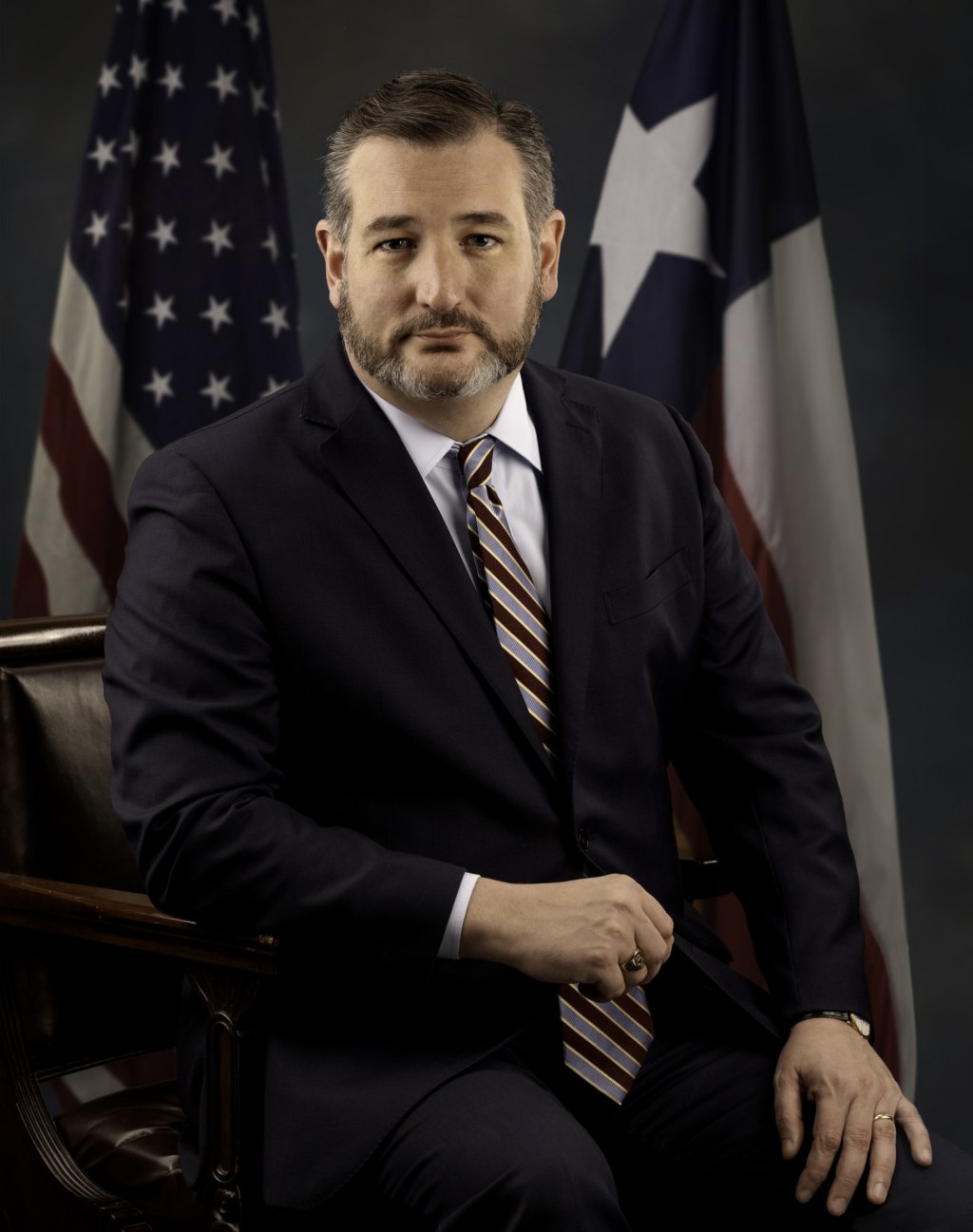
Cruz has said a federal standard would need to address the patchwork of state laws, according to TechTimes, which also reports he has said he wants a role for “independent judges” in AI safety. His attempt at a 10-year moratorium on state AI laws was stripped from the 2025 reconciliation bill by a 99-1 Senate vote. Cruz is part of a drafting group with Sens. Amy Klobuchar, D-Minn., and John Thune, R-S.D. Cantwell is not. Under the draft, according to people familiar with the negotiations who spoke to Nextgov, developers would run safety tests on their own models and report results to the Commerce secretary, who would approve deployment. Cantwell wants models vetted by federal agencies, including the national laboratories. The Chronicle has not seen the draft text.
The Chronicle reported Nov. 2 that Cruz said any markup of a bipartisan AI safety bill would have to wait until after the election.
The math
TechTimes says Democrats hold about 54 Senate seats. That figure comes from a secondary source and the Chronicle has not independently confirmed it. Most legislation needs 60 votes to end debate, so at least six Republicans would be needed to pass most AI bills, and overriding a veto from President Trump takes two-thirds of both chambers. A new majority can still chair committees, hold hearings, issue subpoenas and confirm nominees without 60 votes, so oversight of AI companies is likely to move before any bill does.
The House side
In the House, Rep. Zoe Lofgren, D-San José, has said she will seek the House Science Committee chair and that Congress must “build responsible regulations for AI while also fostering innovation,” in a Nov. 4 statement. Days earlier, she joined Reps. Frank Pallone and Jamie Raskin in asking frontier AI labs to report safety incidents to Congress; the companies’ responses are due Nov. 11.
What to watch
Whether Cruz and Cantwell find language on preemption that both can accept, who is named to chair each committee, and whether the lame-duck session produces a markup. The question that decides much of it is the one the two senators already disagree on: whether a company’s own test counts.



Leave a Reply